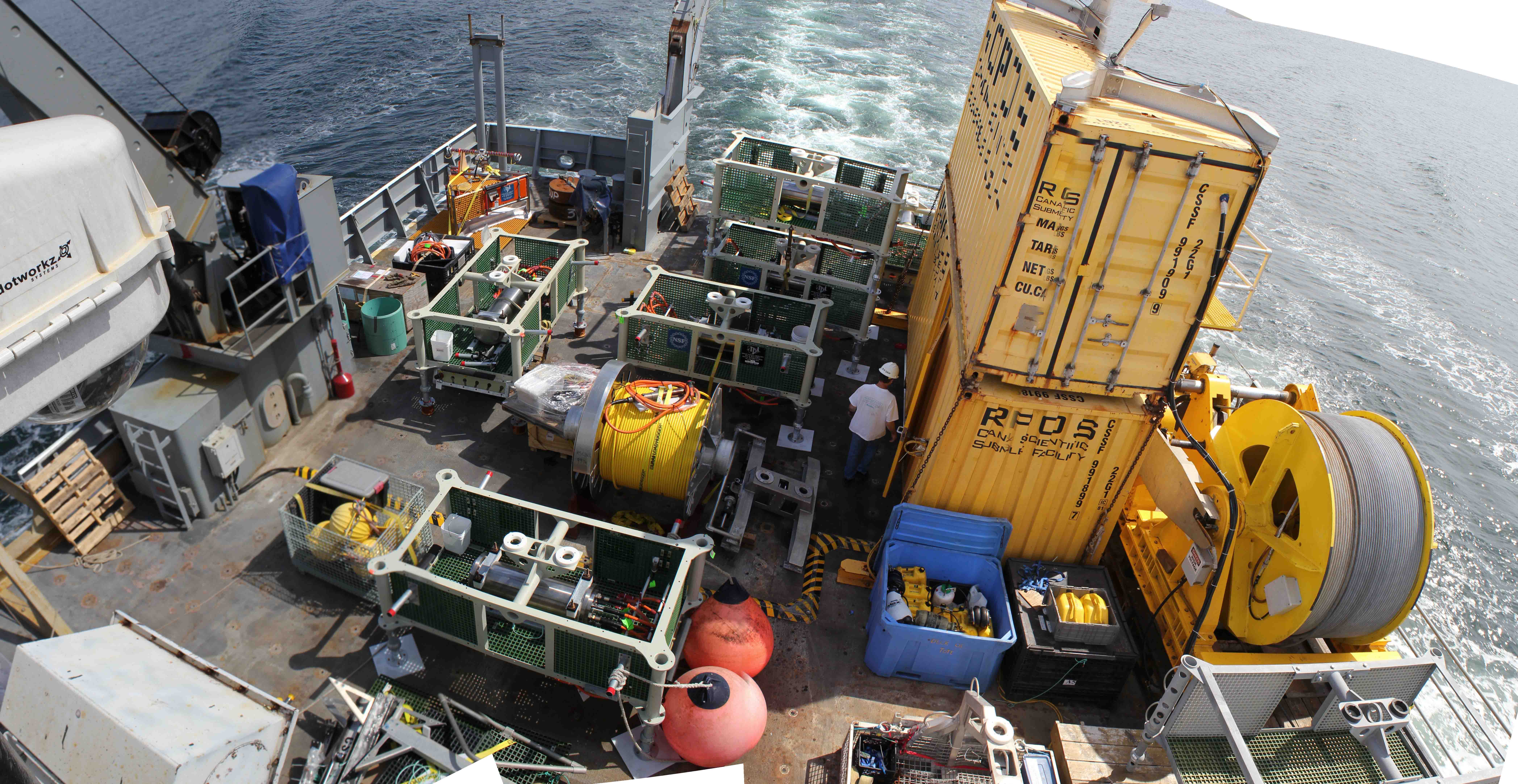
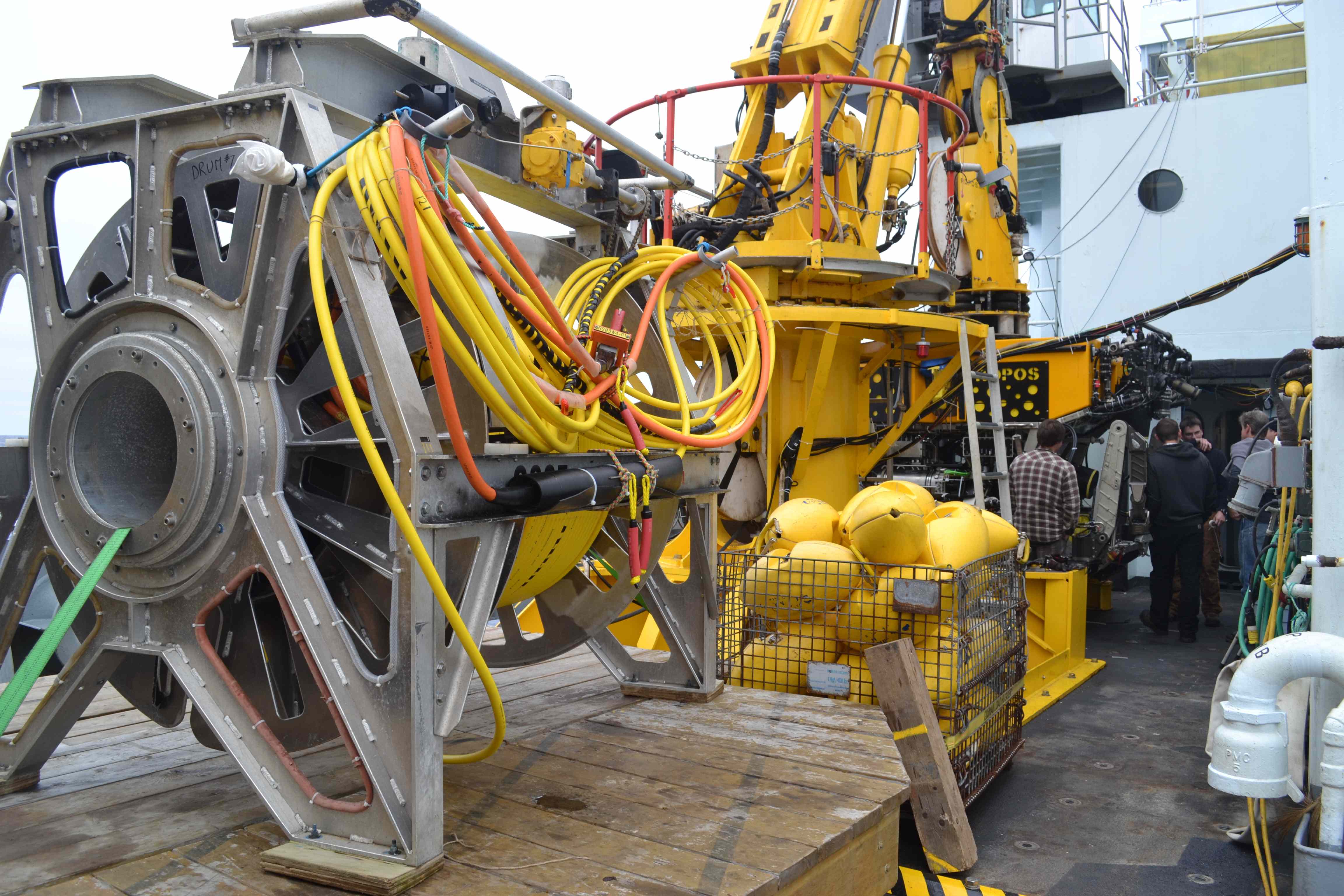
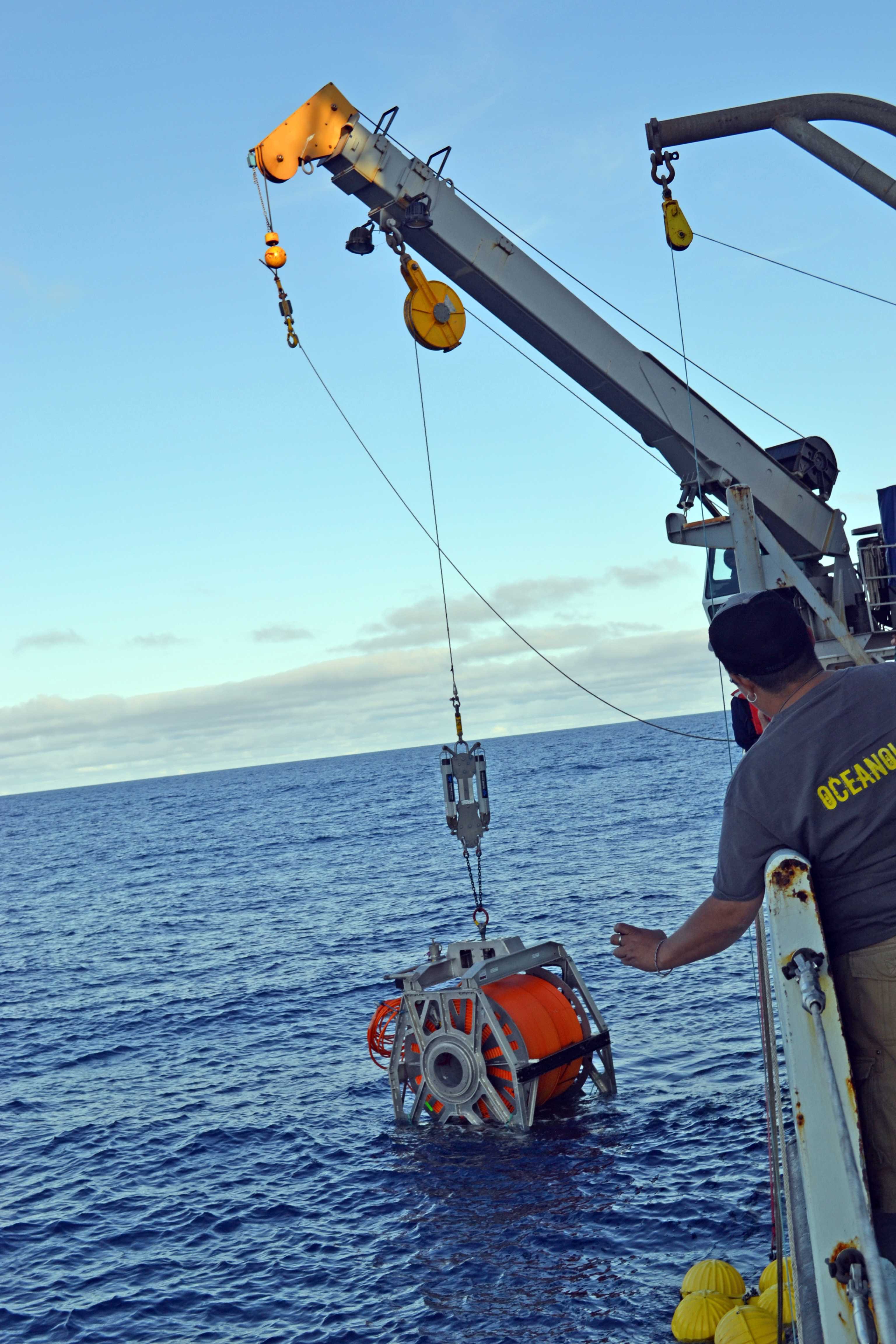
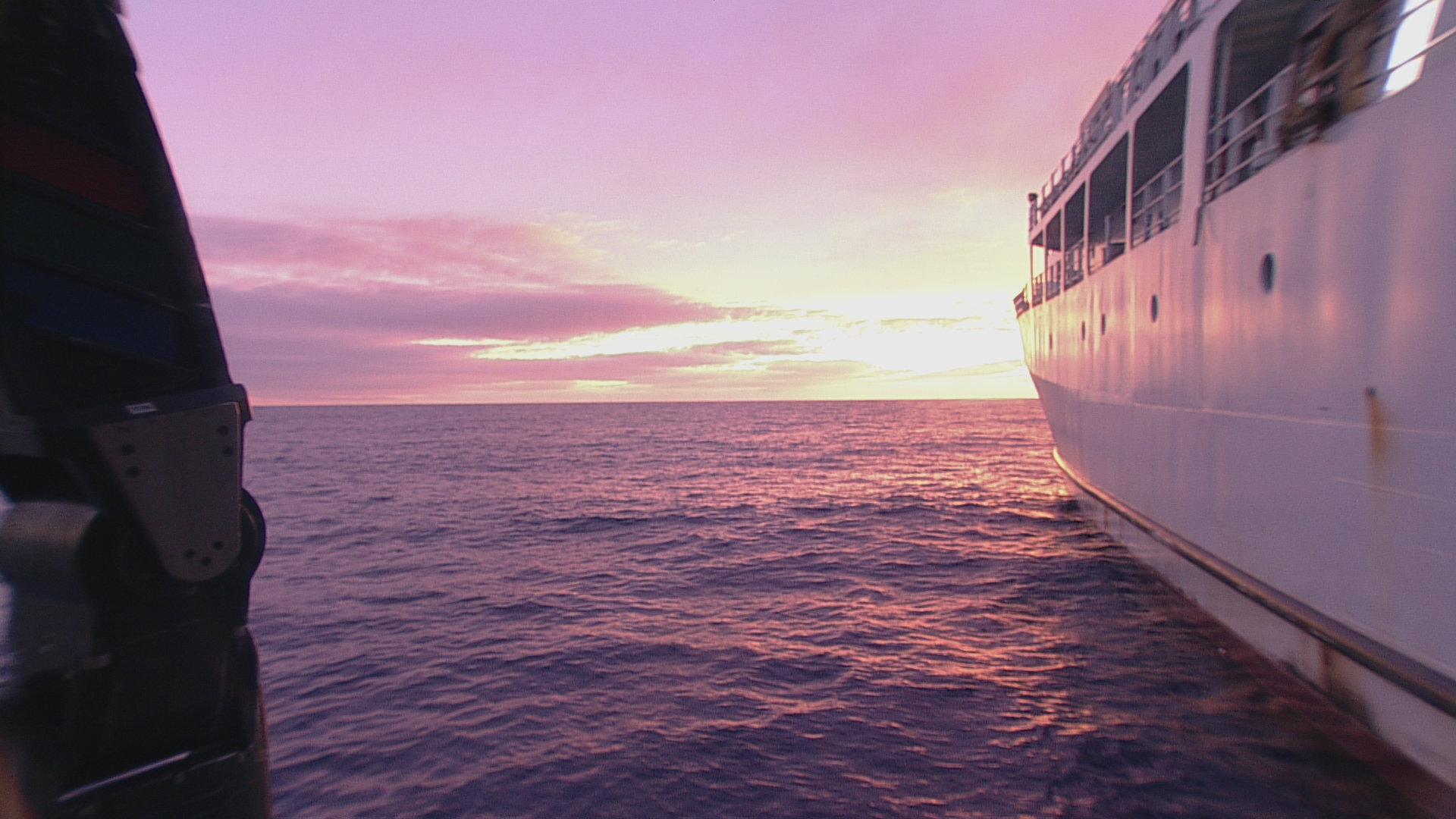
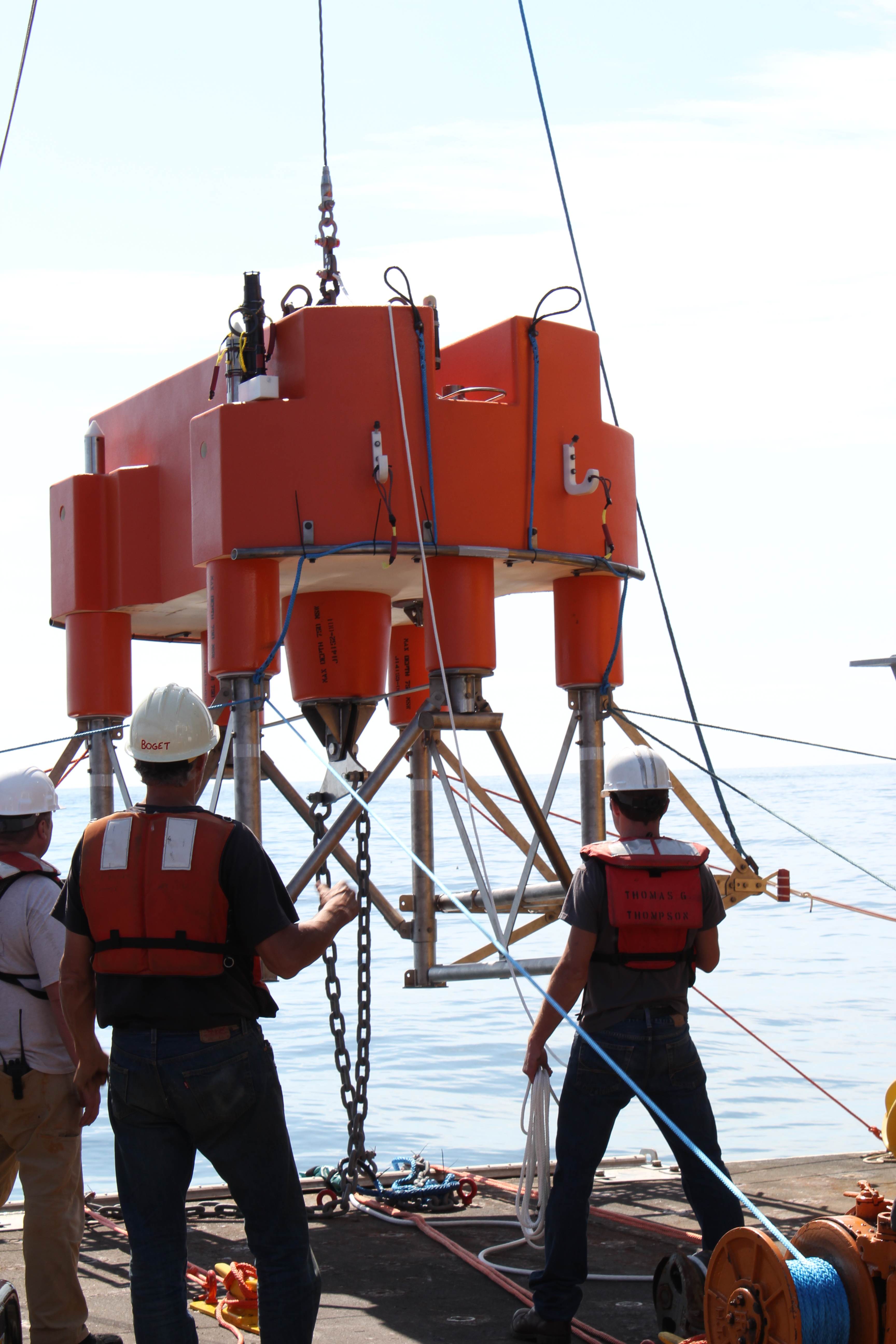
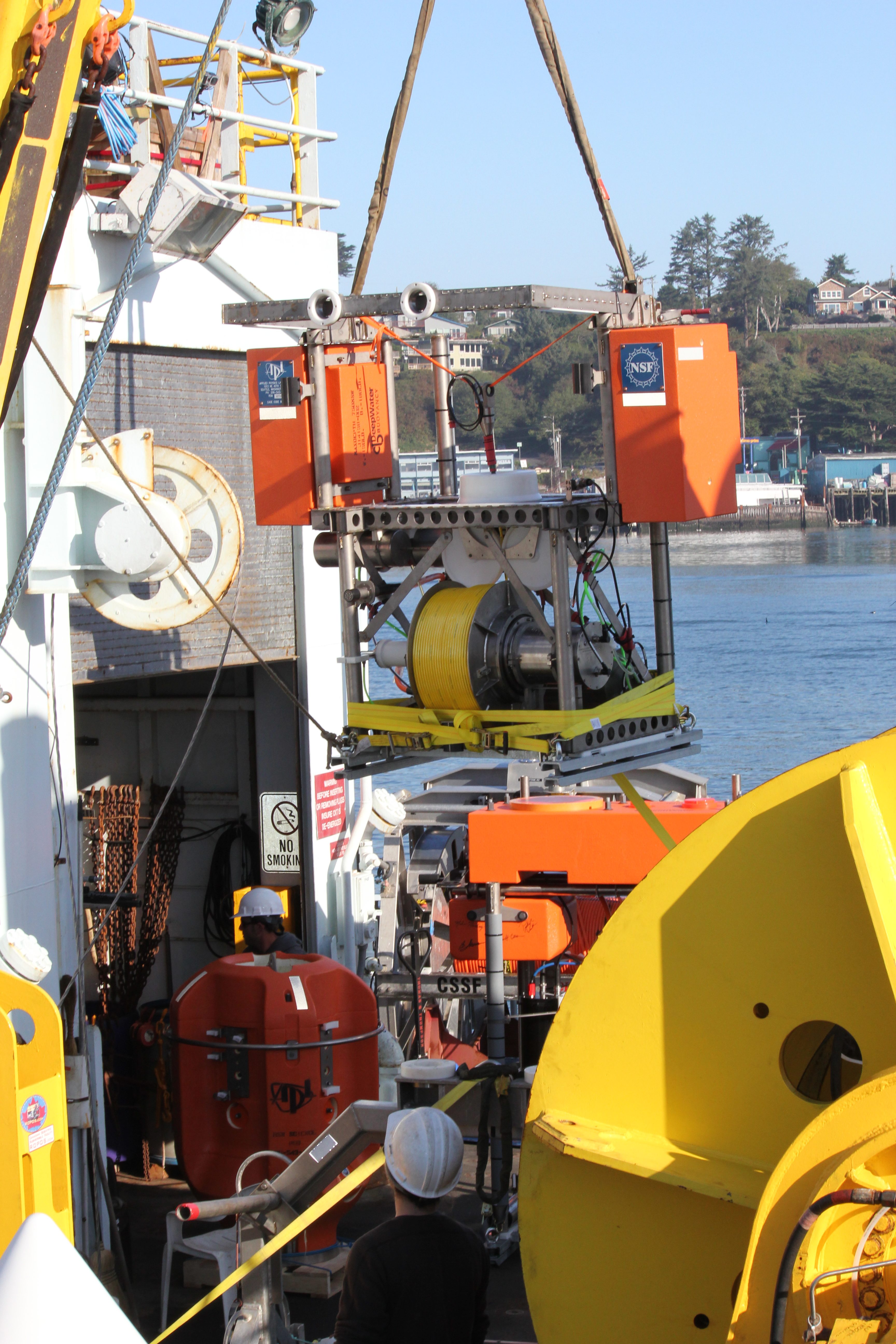
Panoramic view of the R/V Thompson fantail as it departs for Axial Seamount on the VISIONS'14 OOI expedition. Green-sided frames are junction boxes that will be installed at the volcano and they willl host myriad instruments. The central drum holds yellow extension cable that will connect one of the juction boxes to Primary Node 3B, providing power and bandwith to this subsea observatory.
Photo credit: Skip Denny, University of Washington, V14
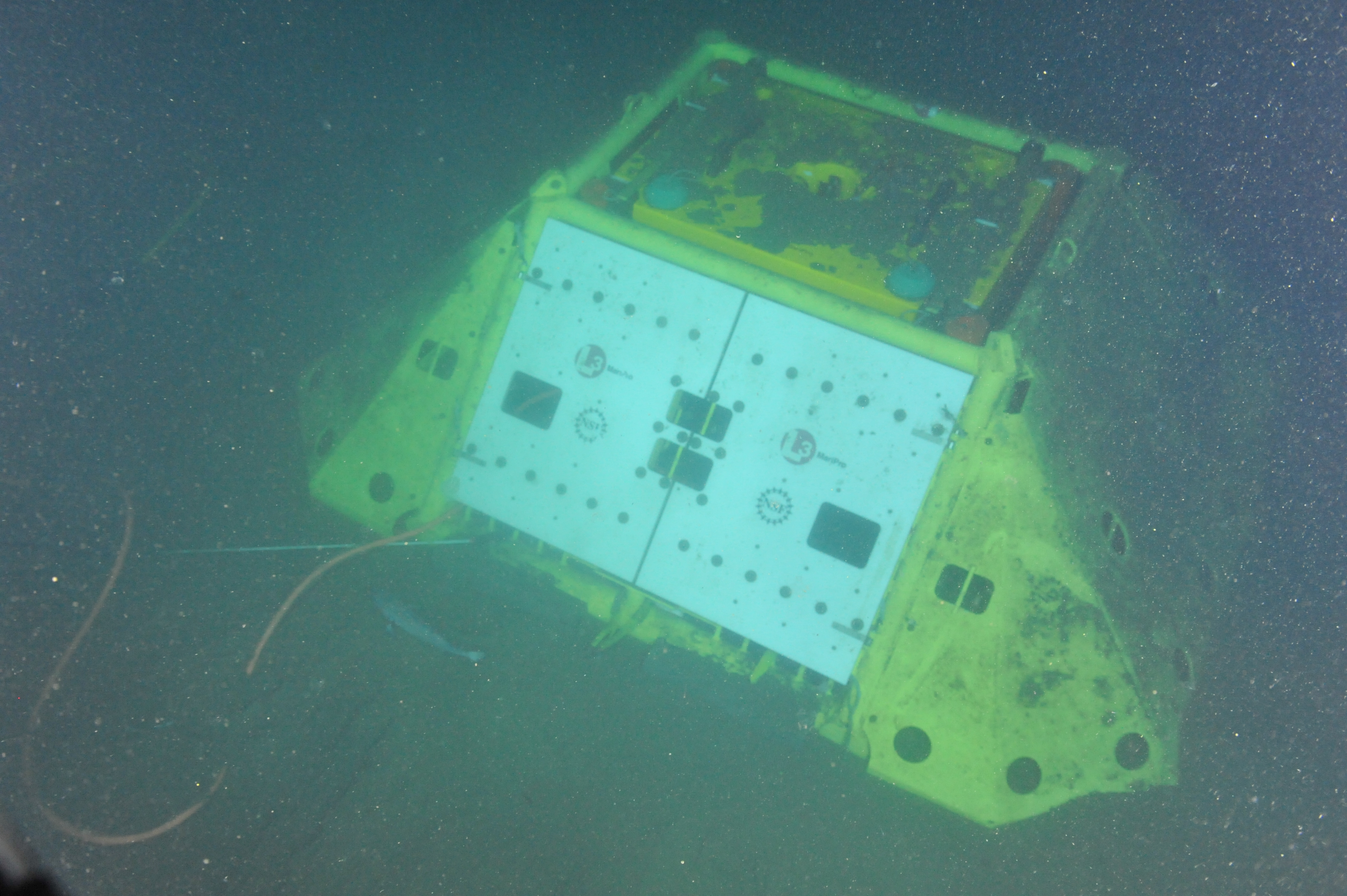
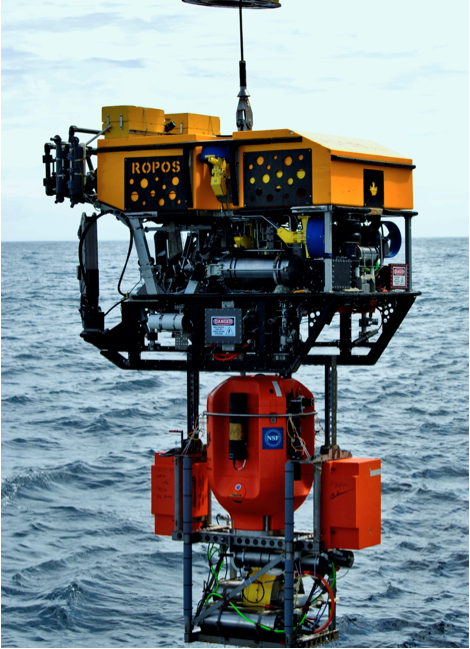
The remotely operated vehicle (ROV) ROPOS begins its first science dive at Axial Seamount of VISIONS'14. An empty junction box is attached beneath the ROV's 'belly'. Photo Credit: Mitch Elend, University of Washington, V14.
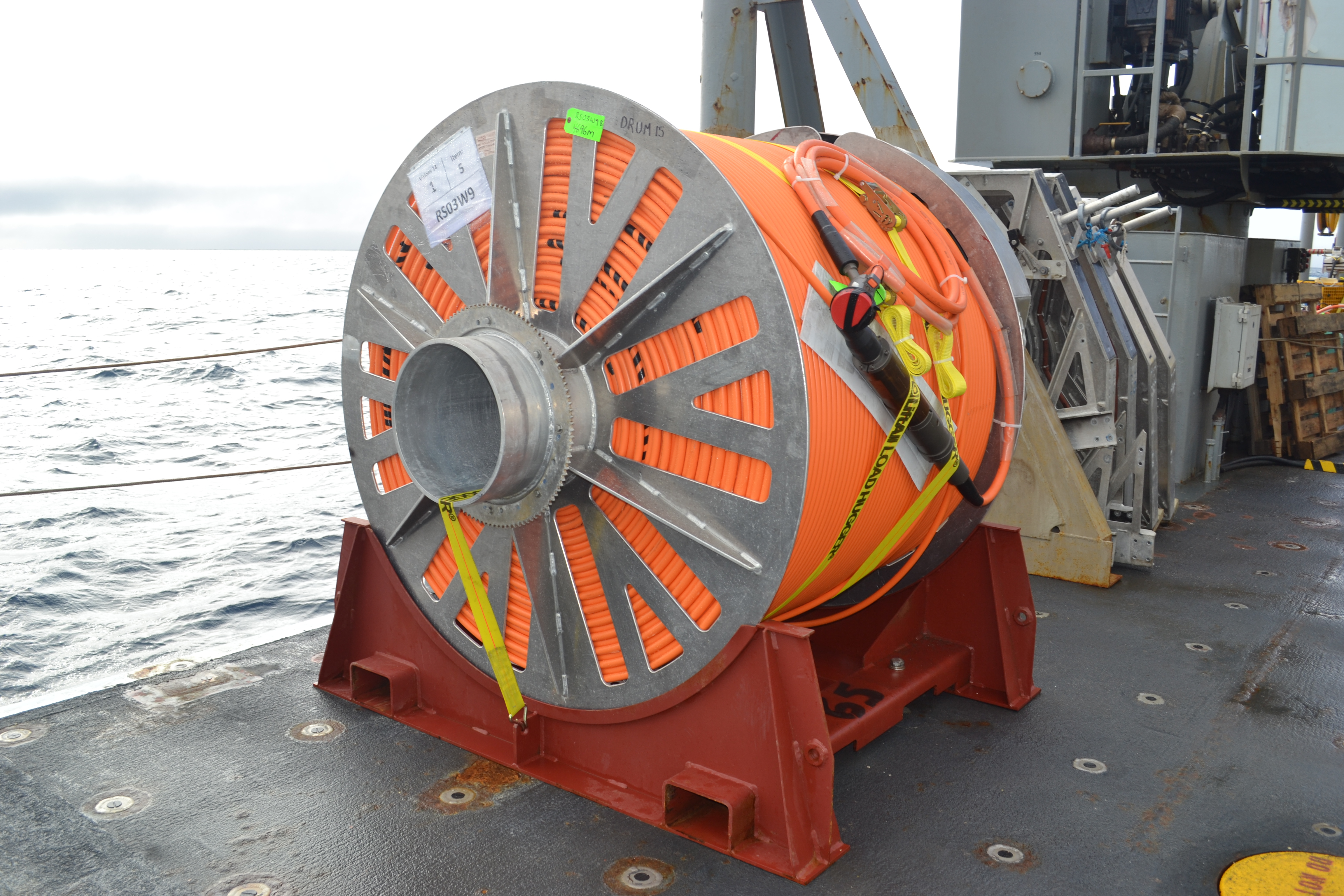
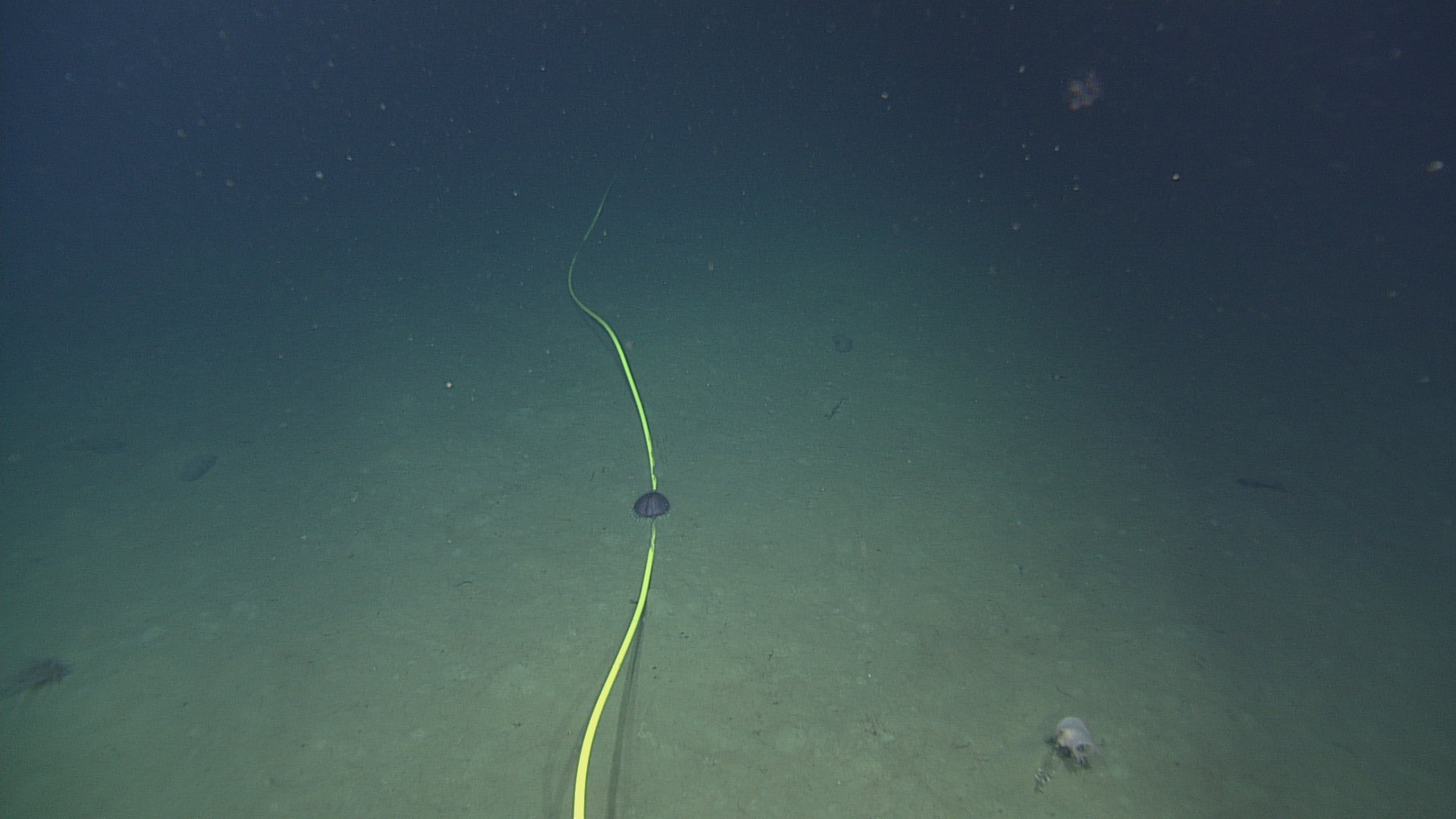
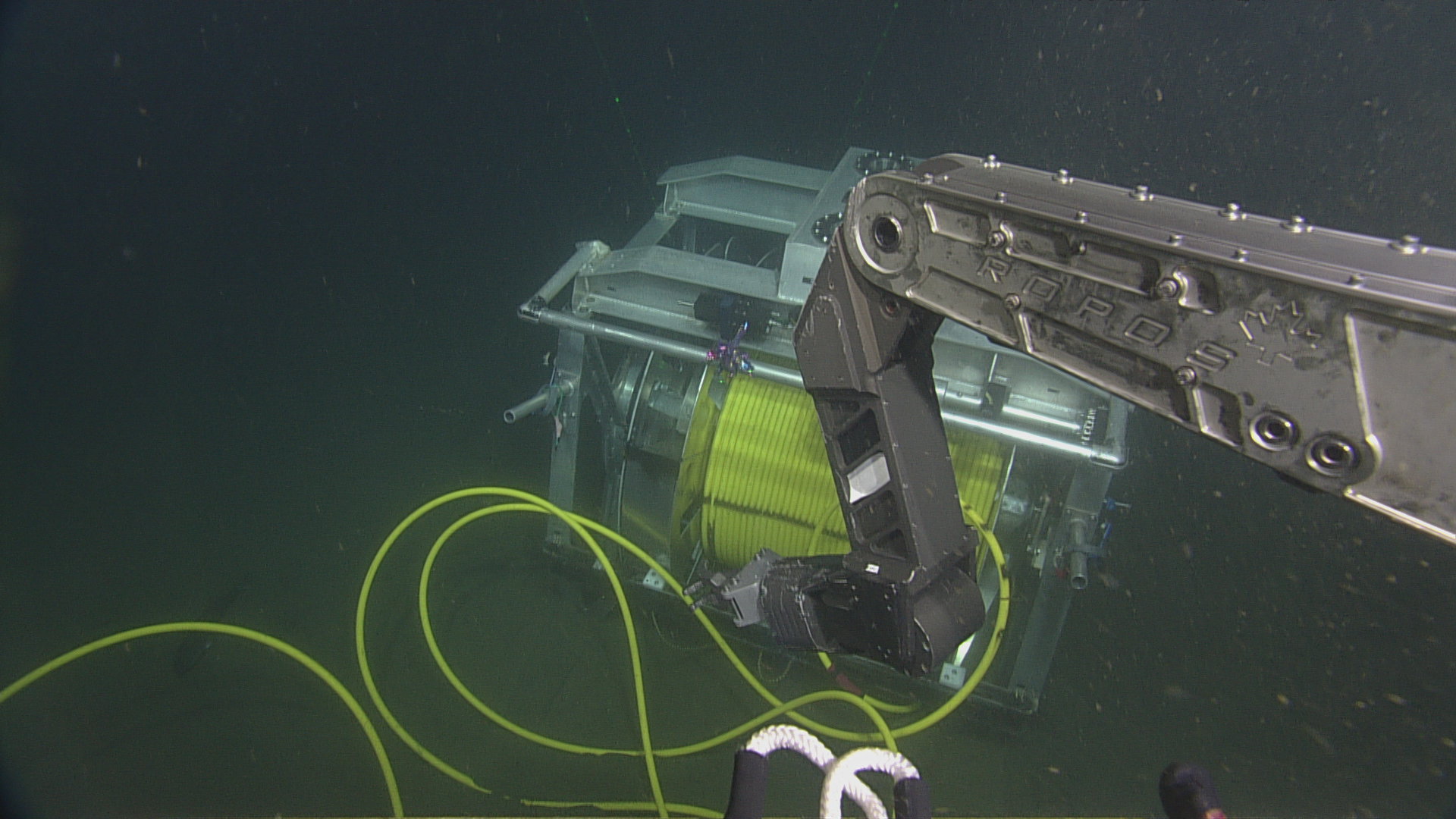
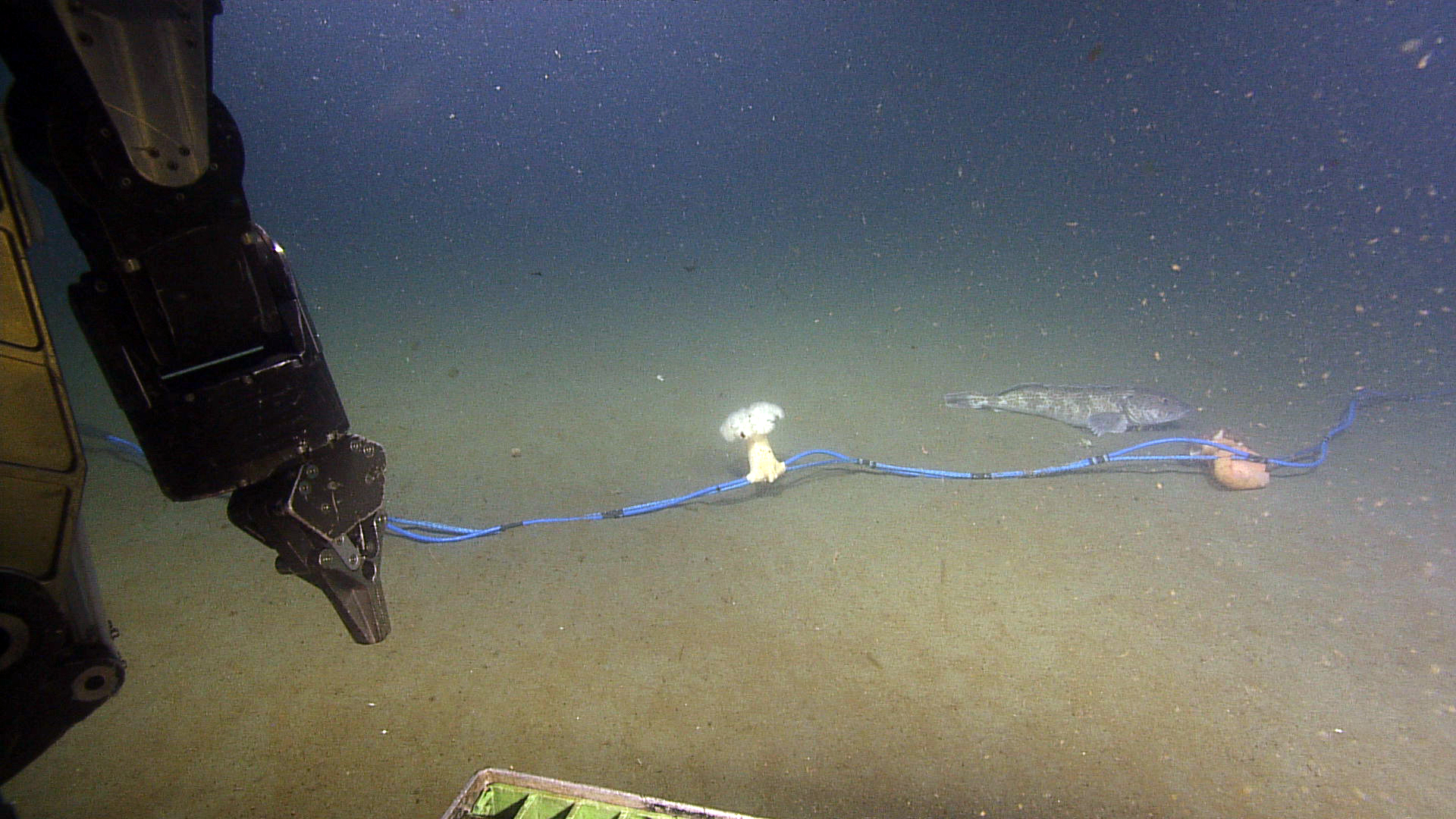
An extension cable, nearly 5 km-long awaits installation at the summit of Axial Seamount. This cable will extend from Primary Node PN3B to the Central Caldera site where it will connect to a medium power junction box hosting a broadband seismometer, hydrophone, and bottom pressure tilt meter.
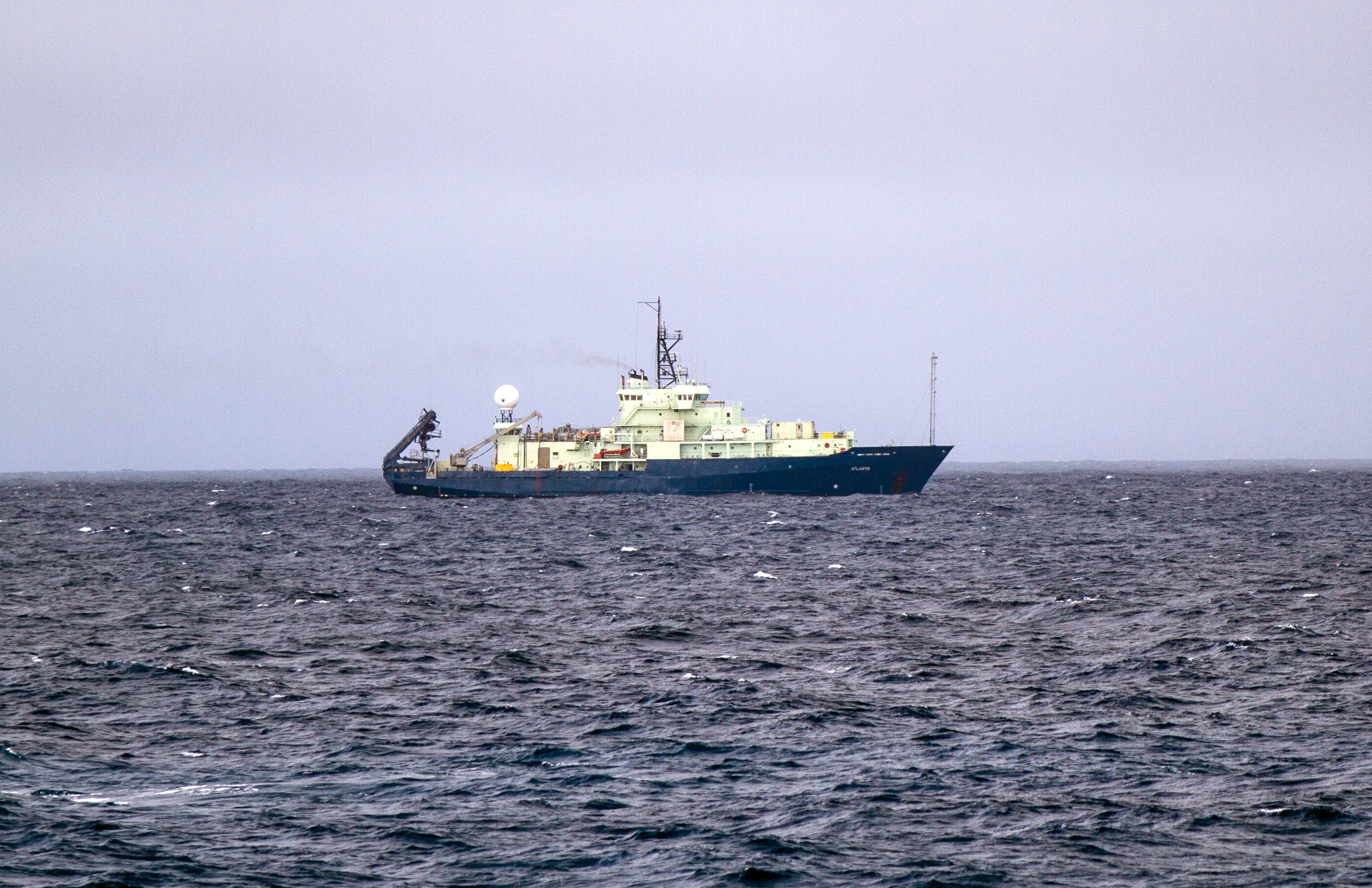
Our sister ship, the R/V Atlantis, working 1.5- to 3-km away from us at the summit of Axia Seamount during the first week of VISIONS'14. The Atlantis effort is focusing on the ASHES hydrothermal field, where we installed an underwater high-definition camera and 3D temperature array last year. Photo Credit: Ed McNichol, Mumbian Enterprises, Inc., V14
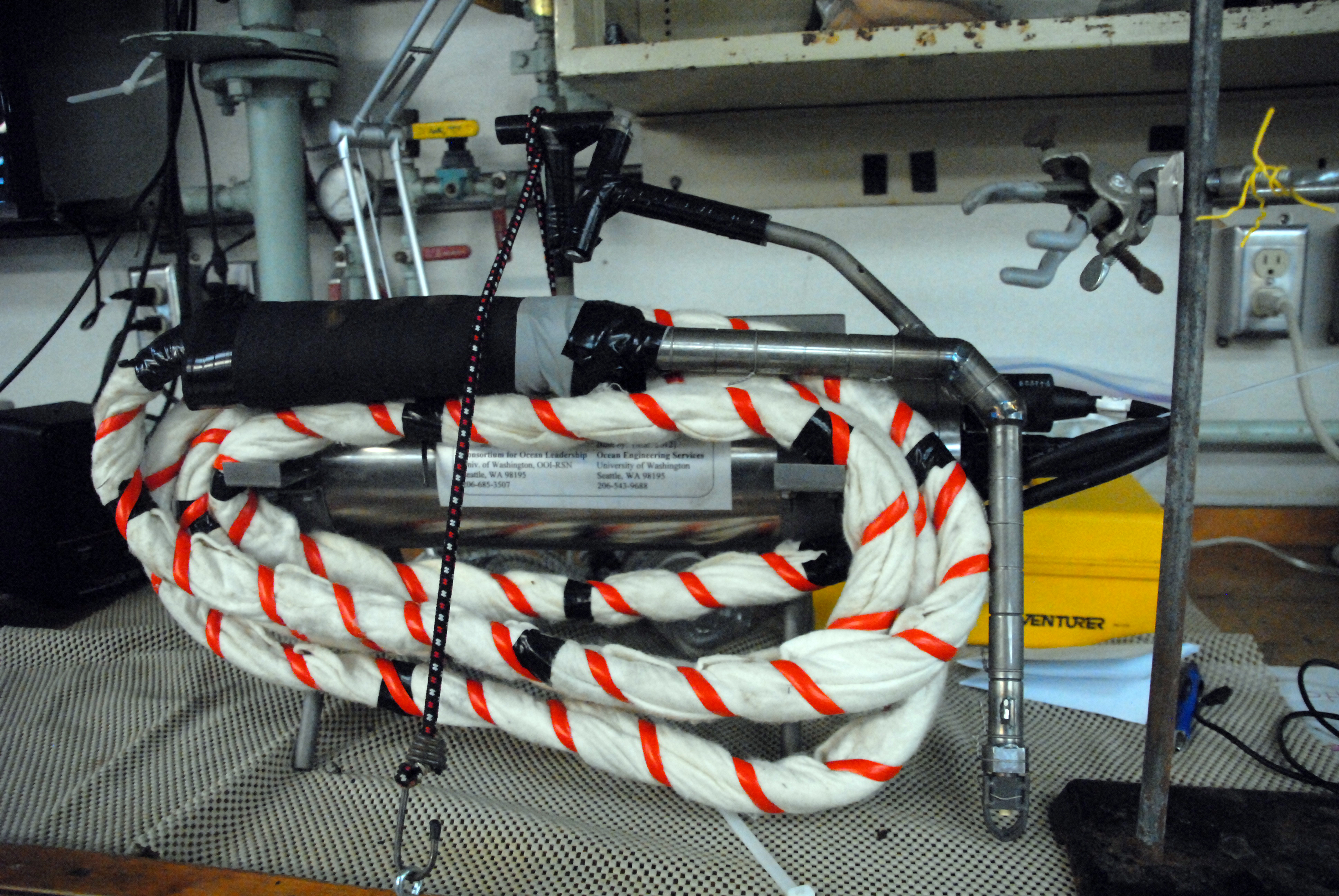
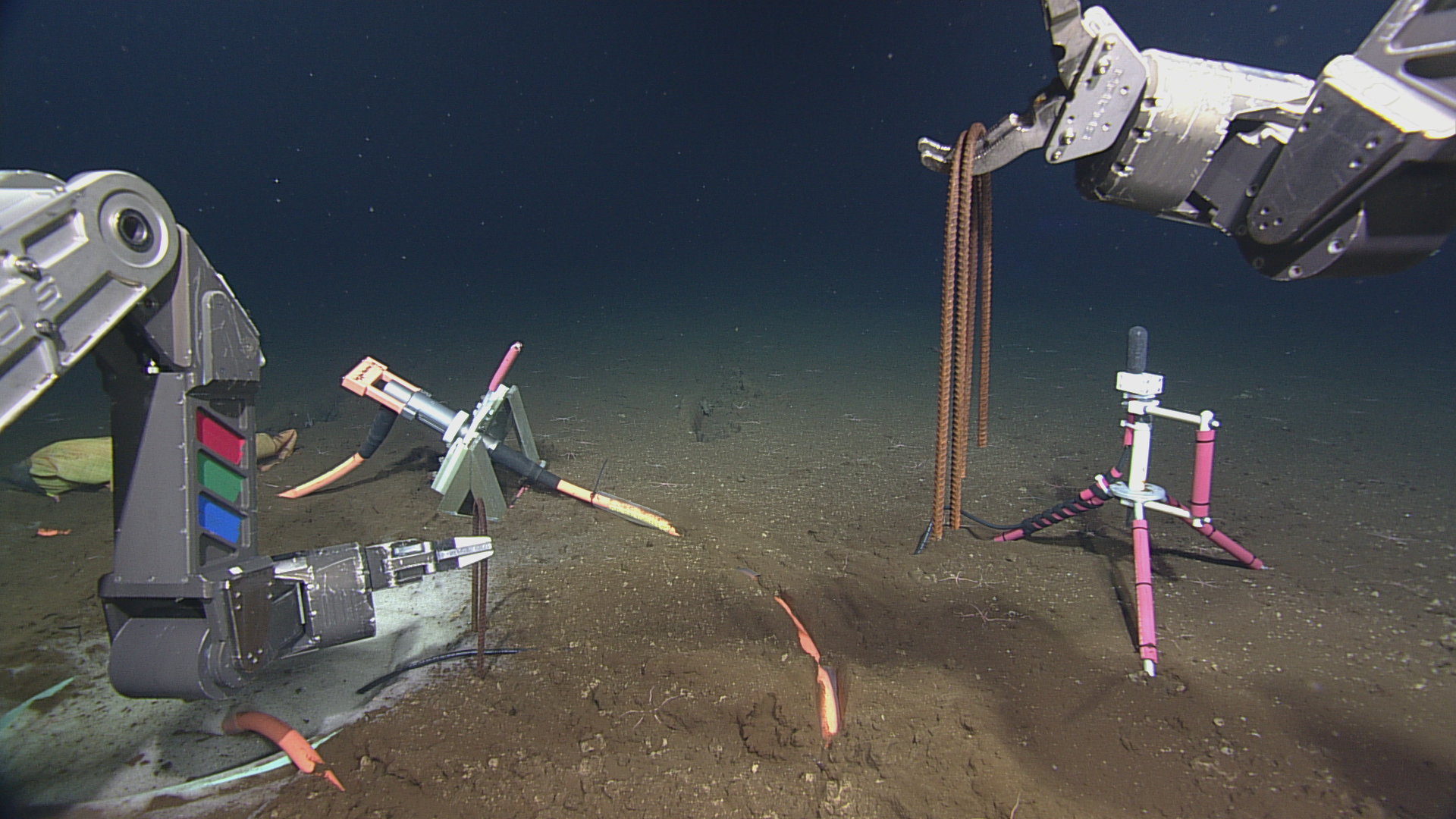
A temperature-resistivity instrument (analogue for chlorinity) is ready for installation in the International Vent Field at Axial Seamount during Leg 1 of the VISIONS'14 expedition. Photo Credit: Don Setiawan, University of Washington, V14.
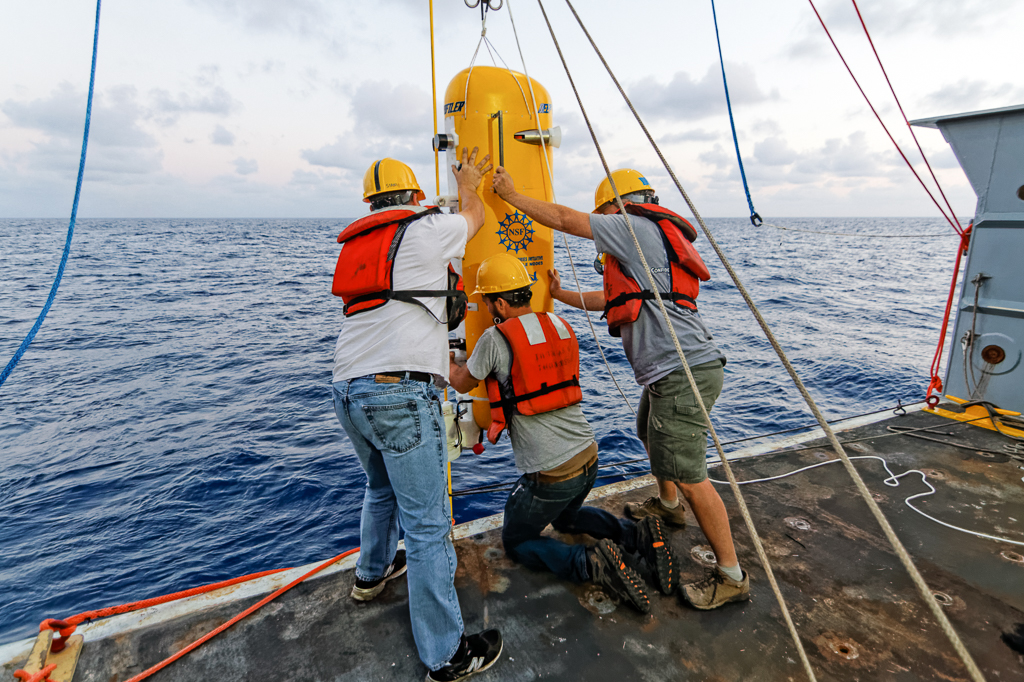
The CTD (Conductivity-Temperature-Depth sensor) is deployed into the ocean. All of the Niskin bottles are held open before deployment and are closed individually to collect water samples at different depths as the CTD carousel rises through the water column. Photo credit: John Wonderly, Clallam Bay School, V14.
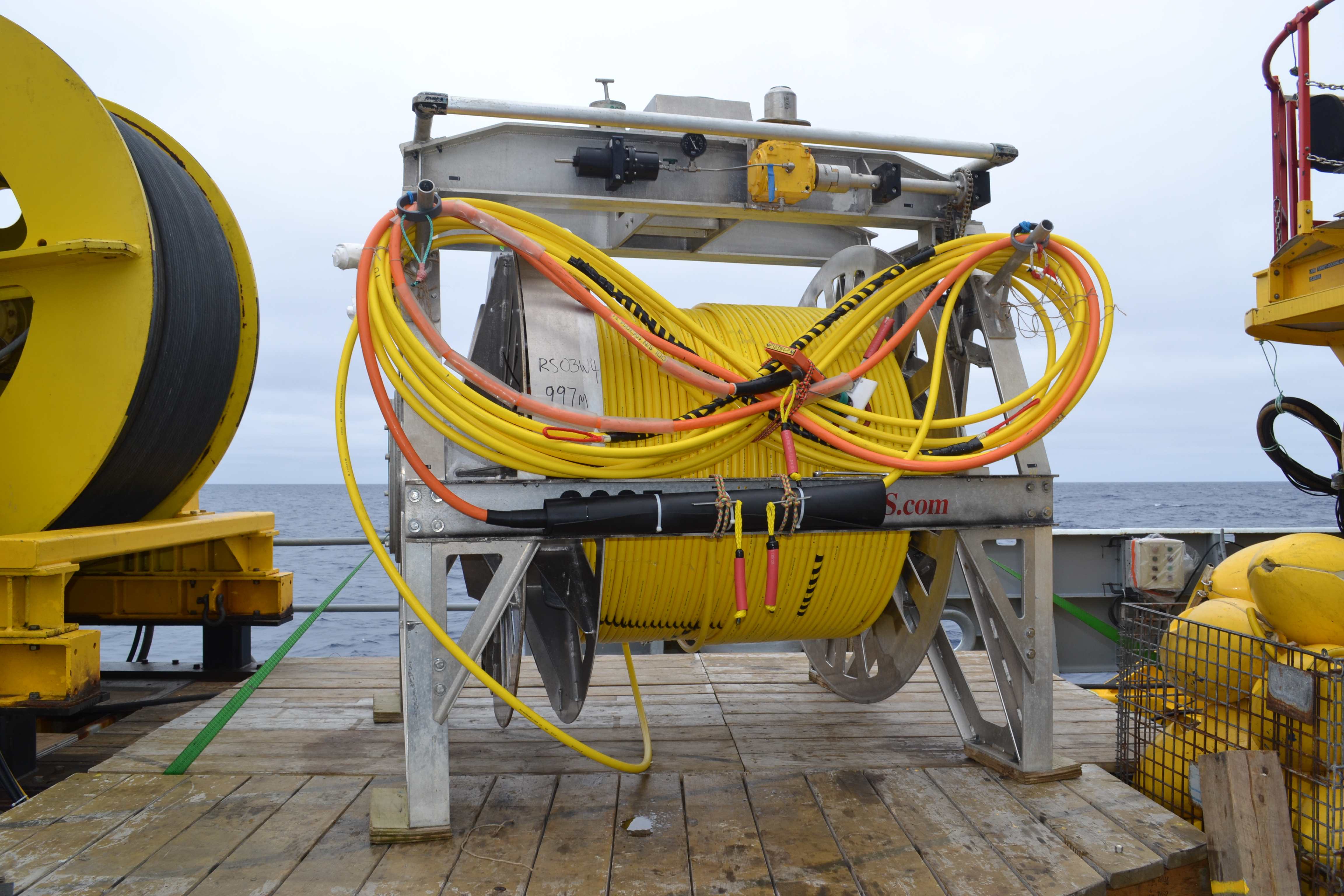
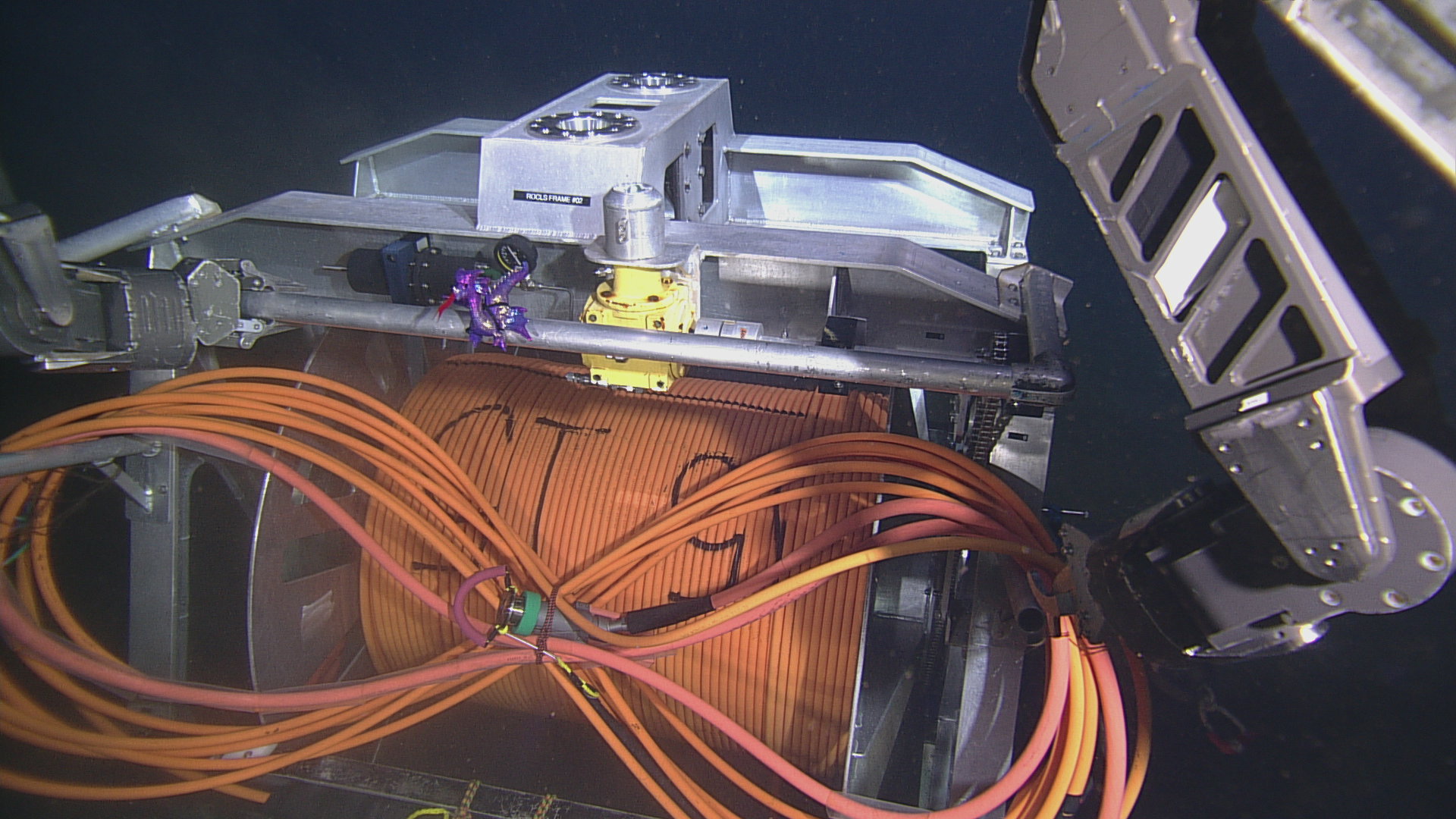
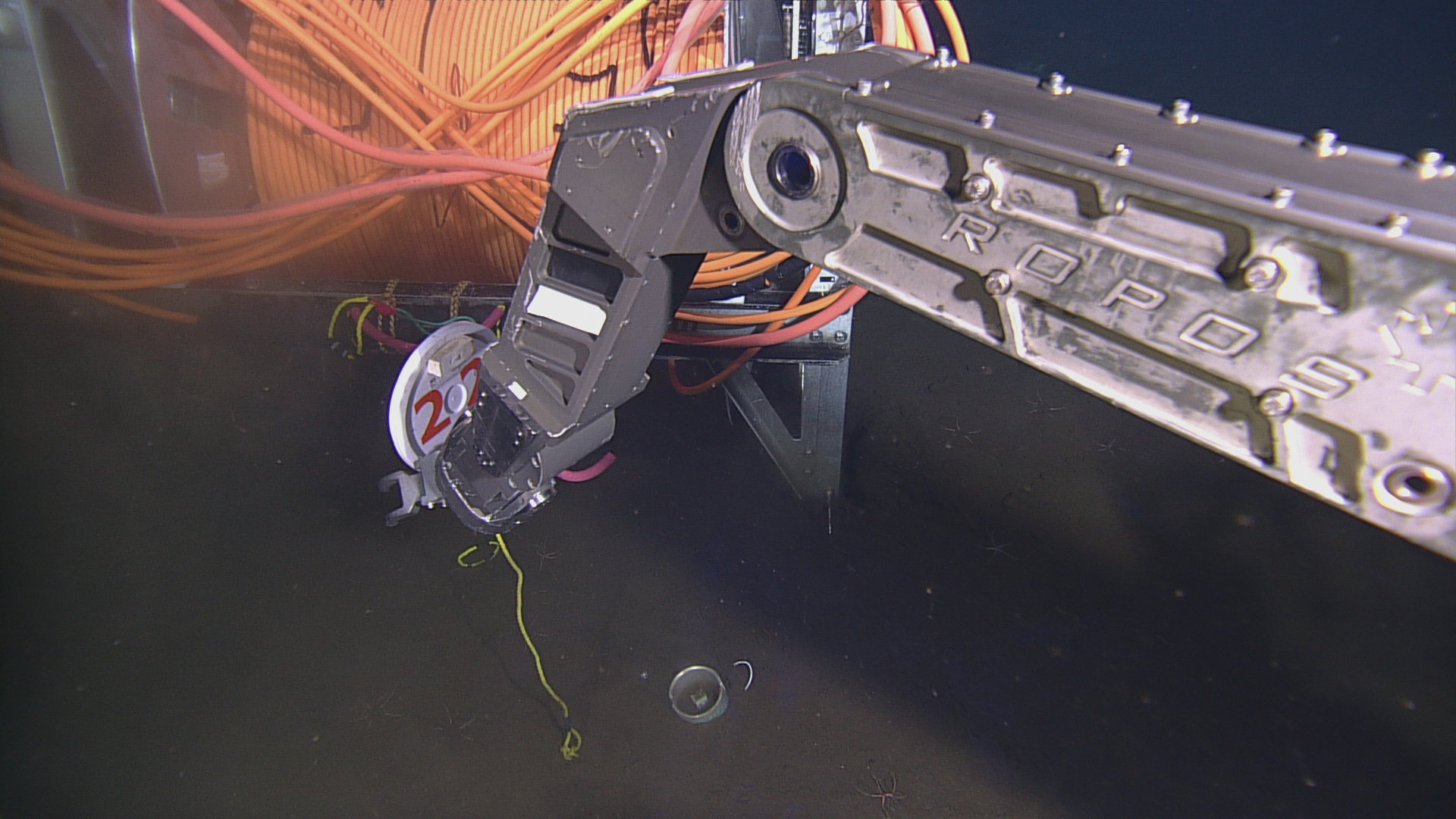
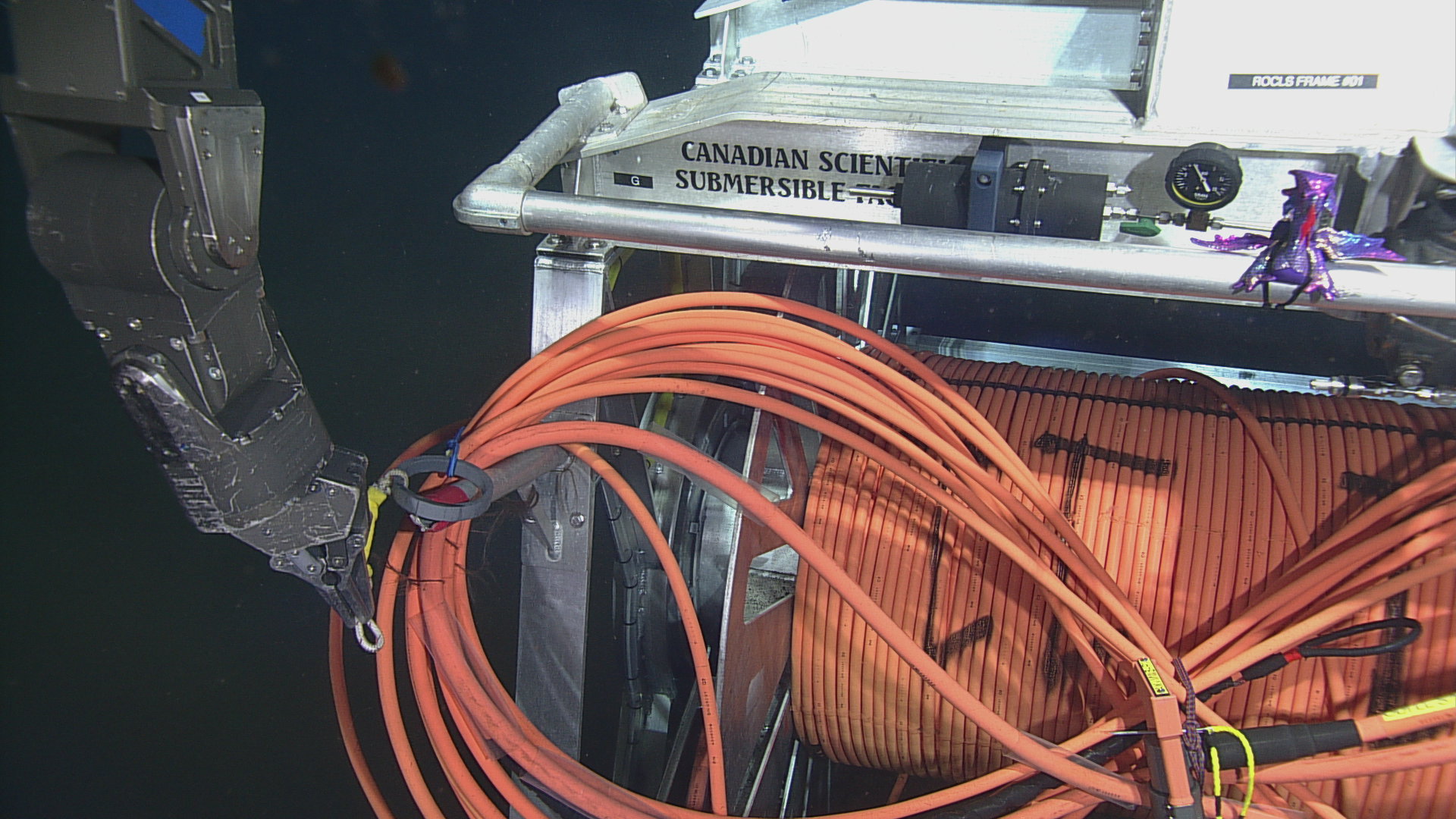
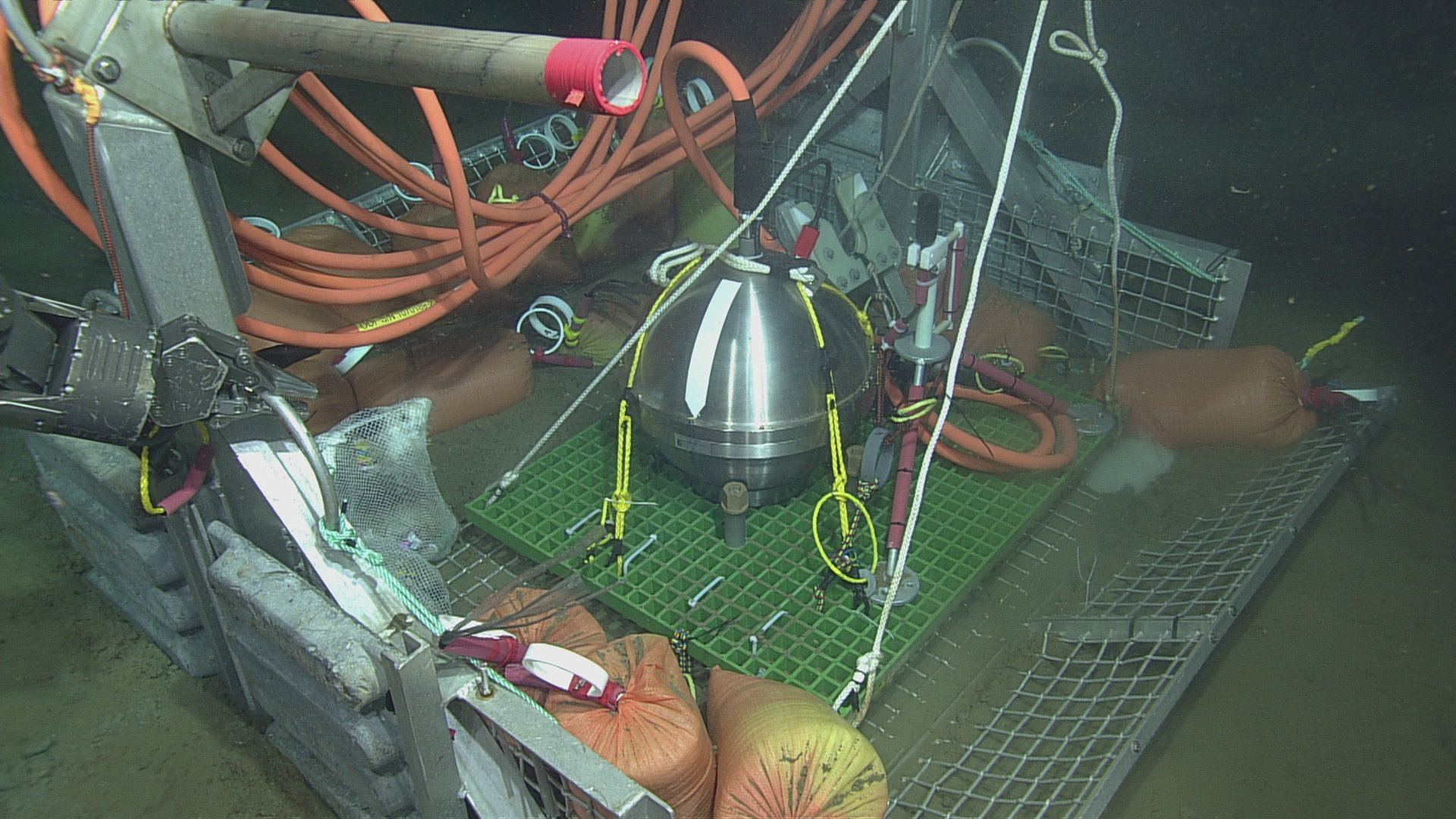
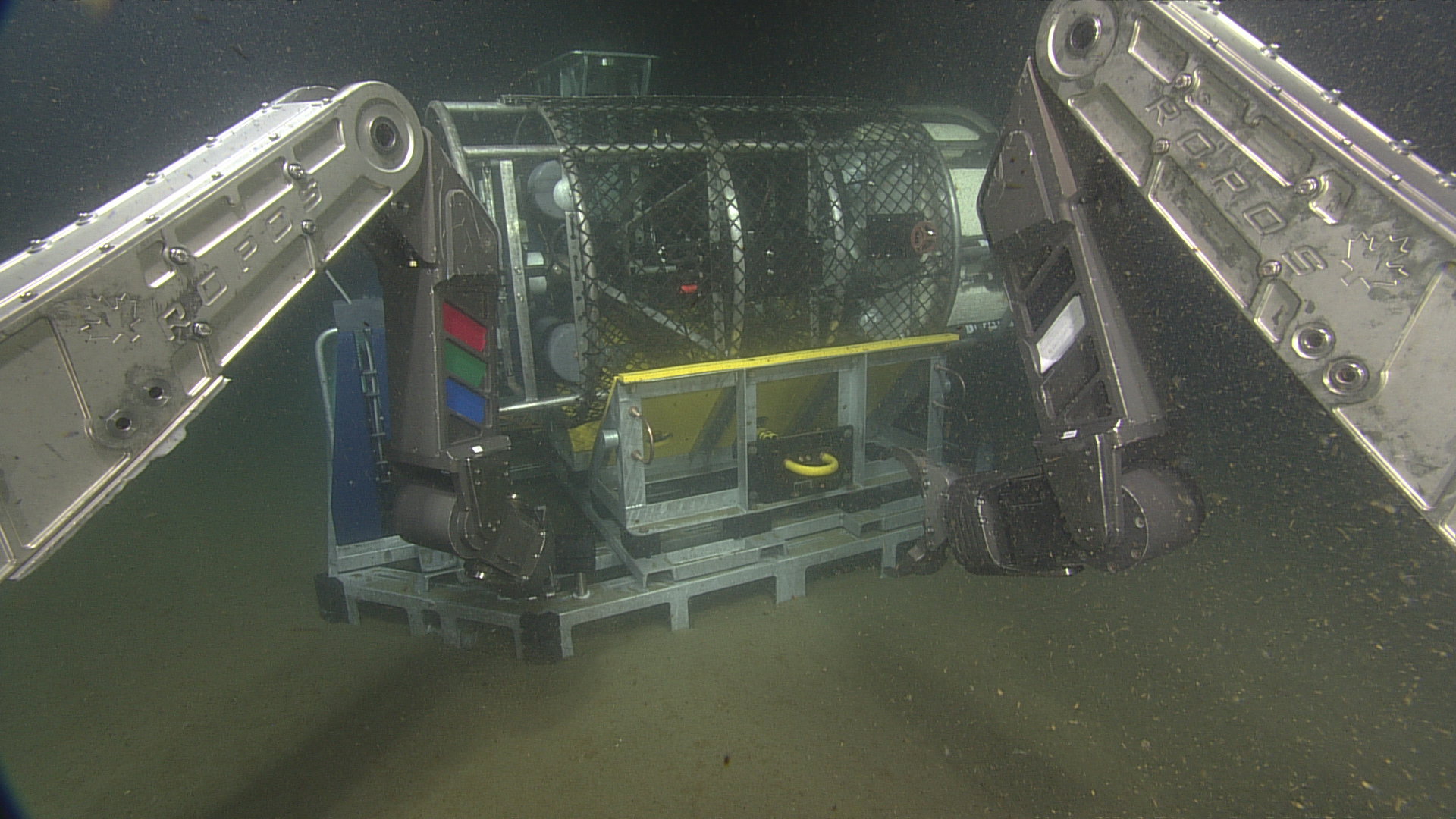
Cable RS03W4, a 1 km extension cable, sits on the ROPOS work platform awaiting attachment to ROCLS on the underbelly of the ROV ROPOS. Photo Credit: NSF-OOI/UW/CSSF; Dive R1715; V14.
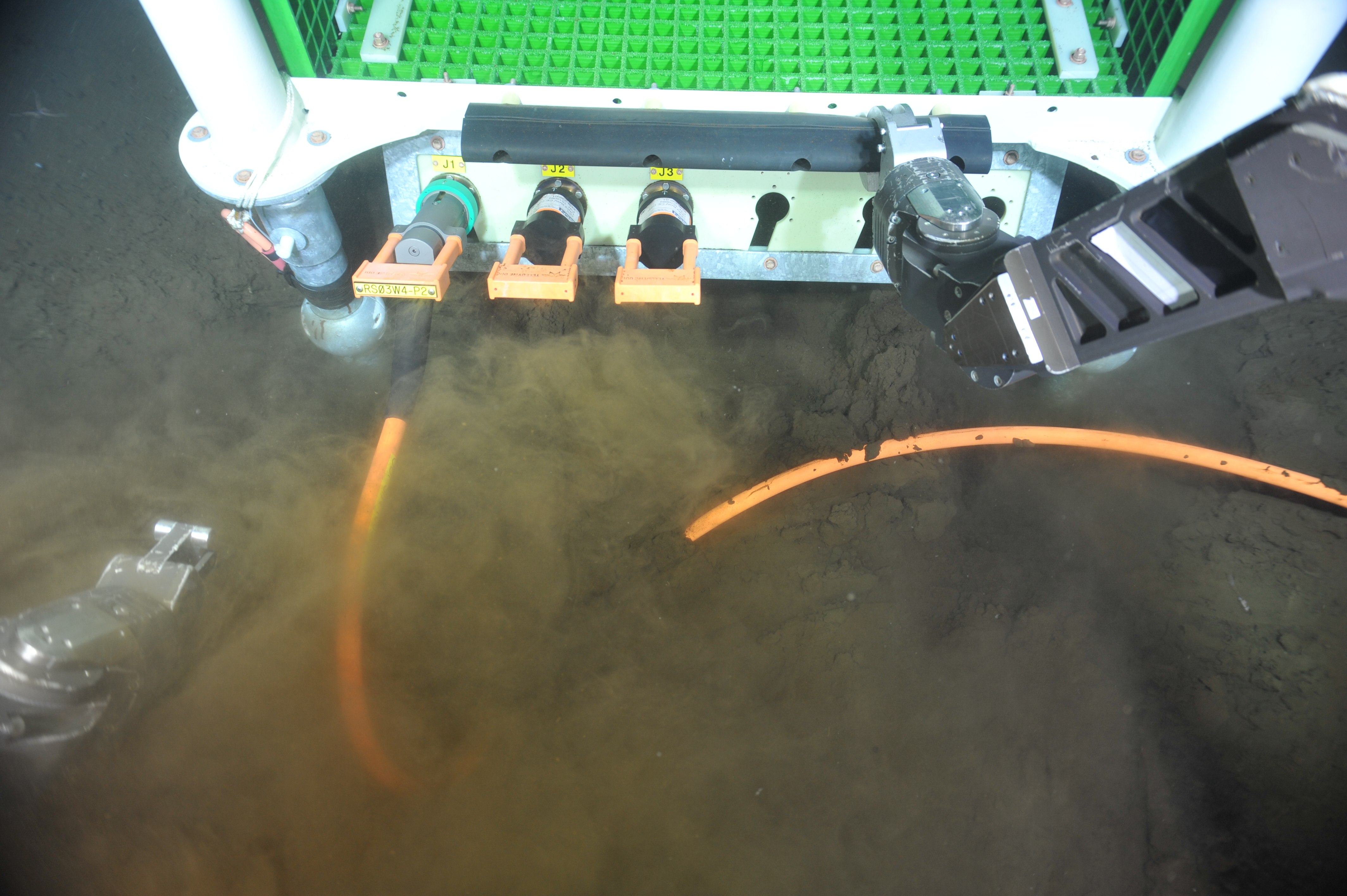
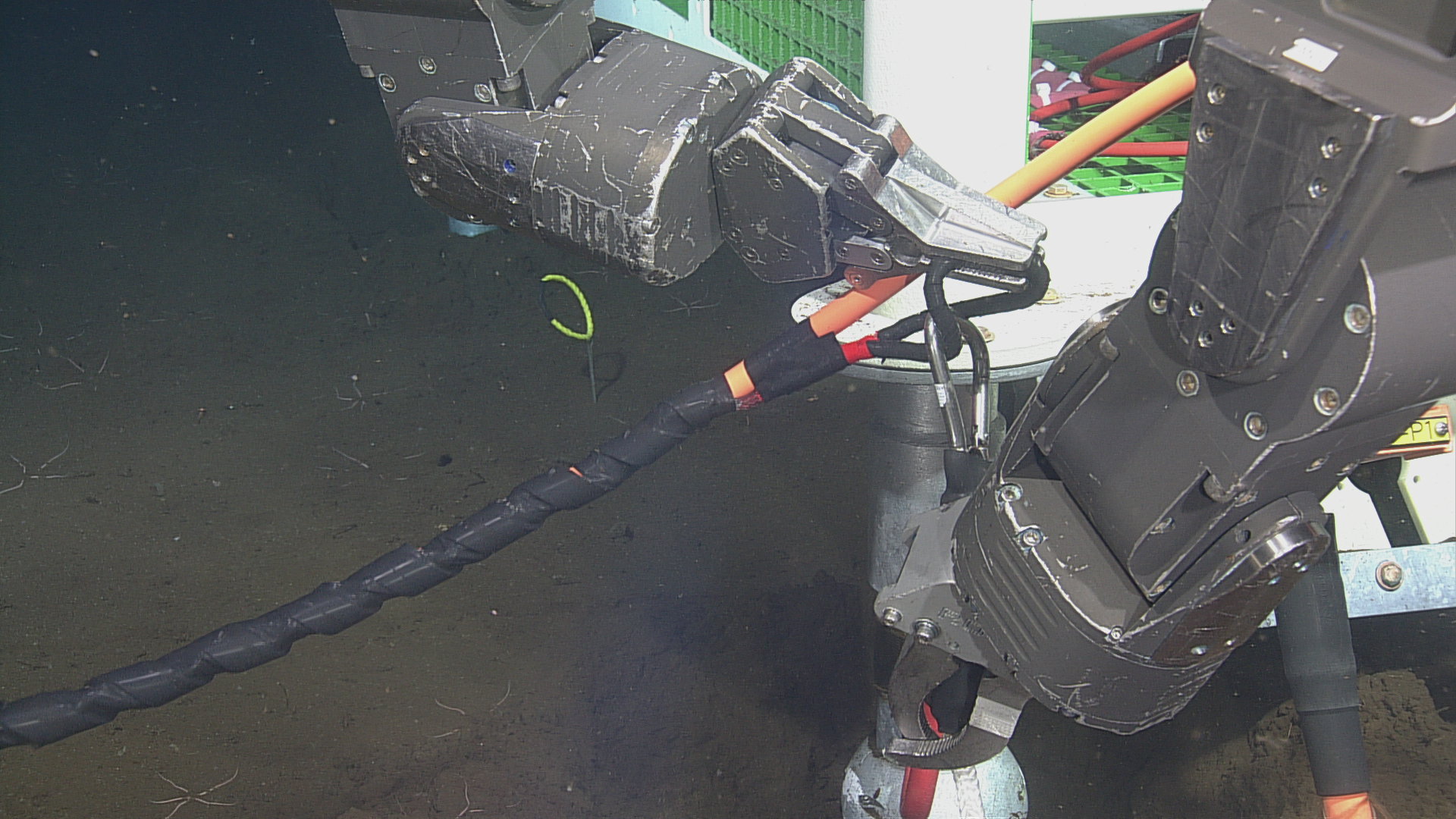
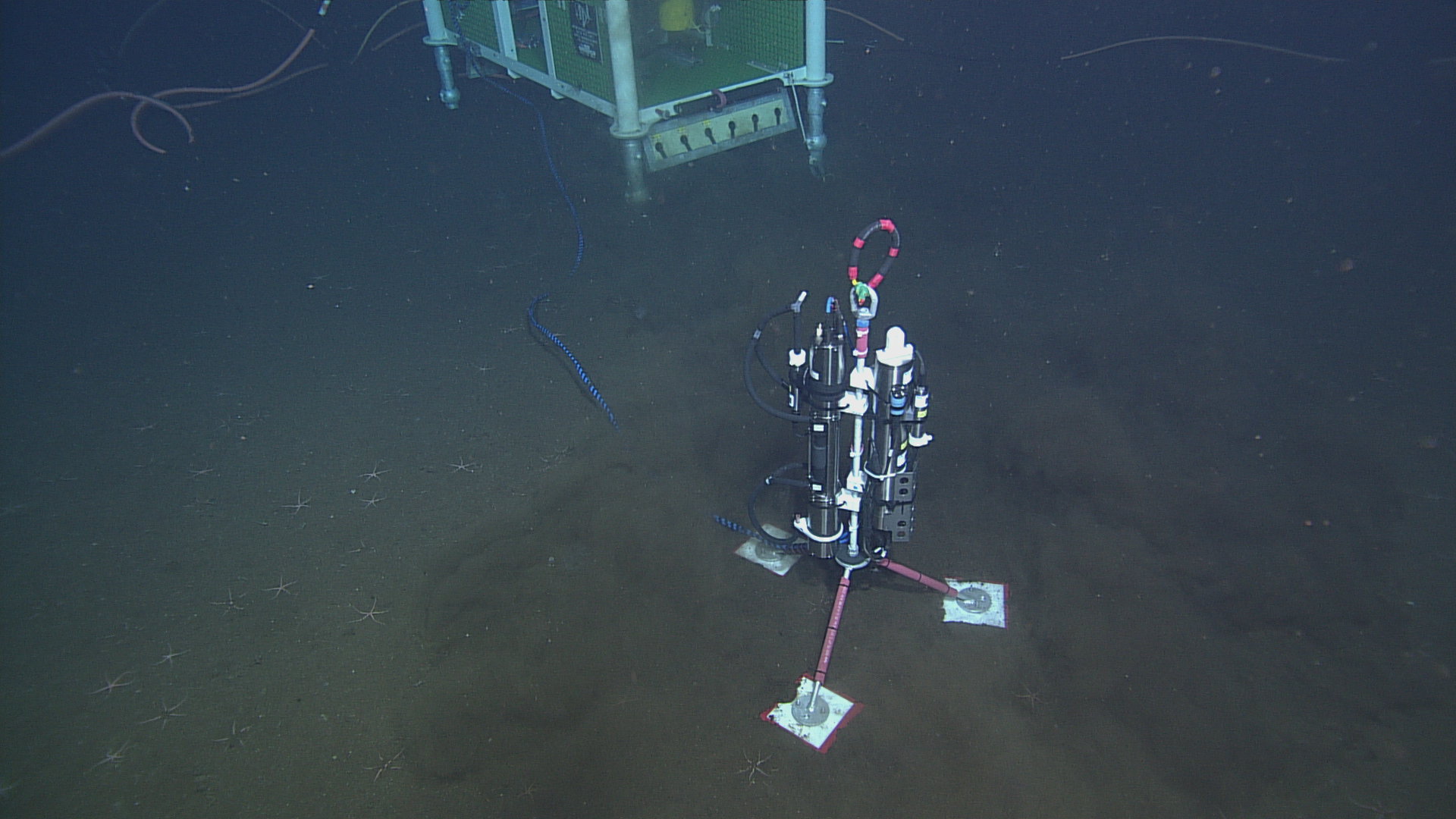
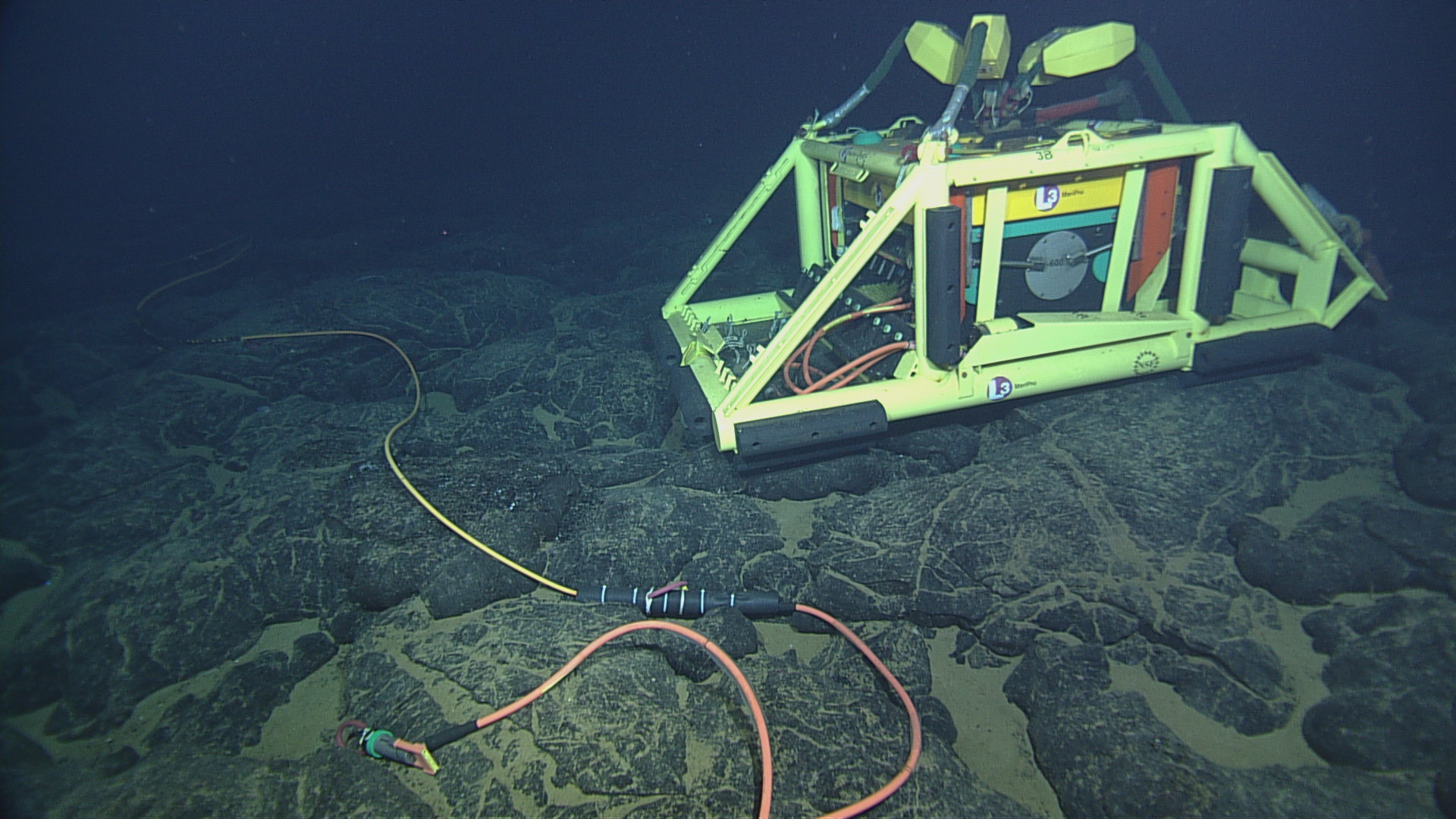
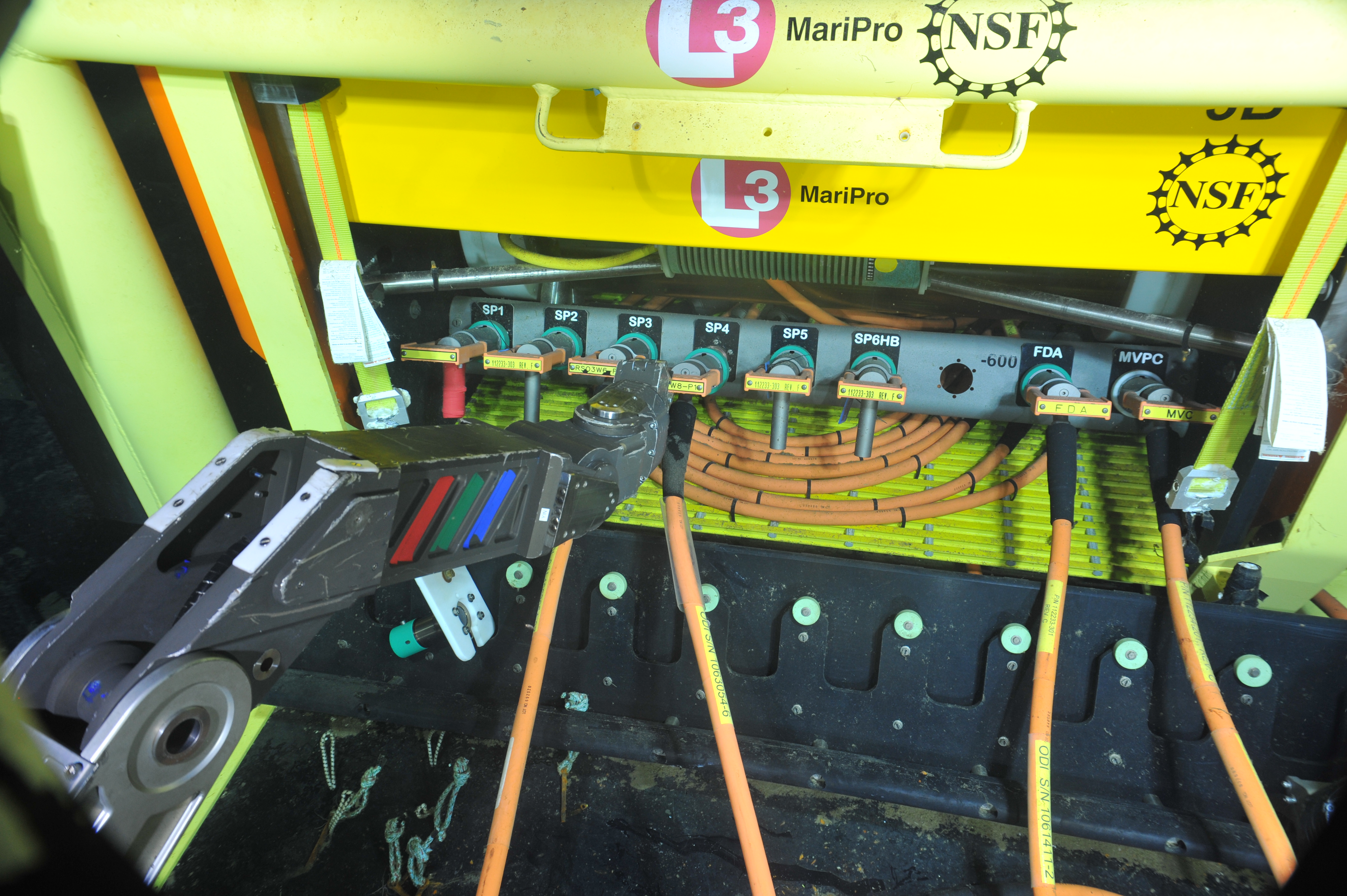
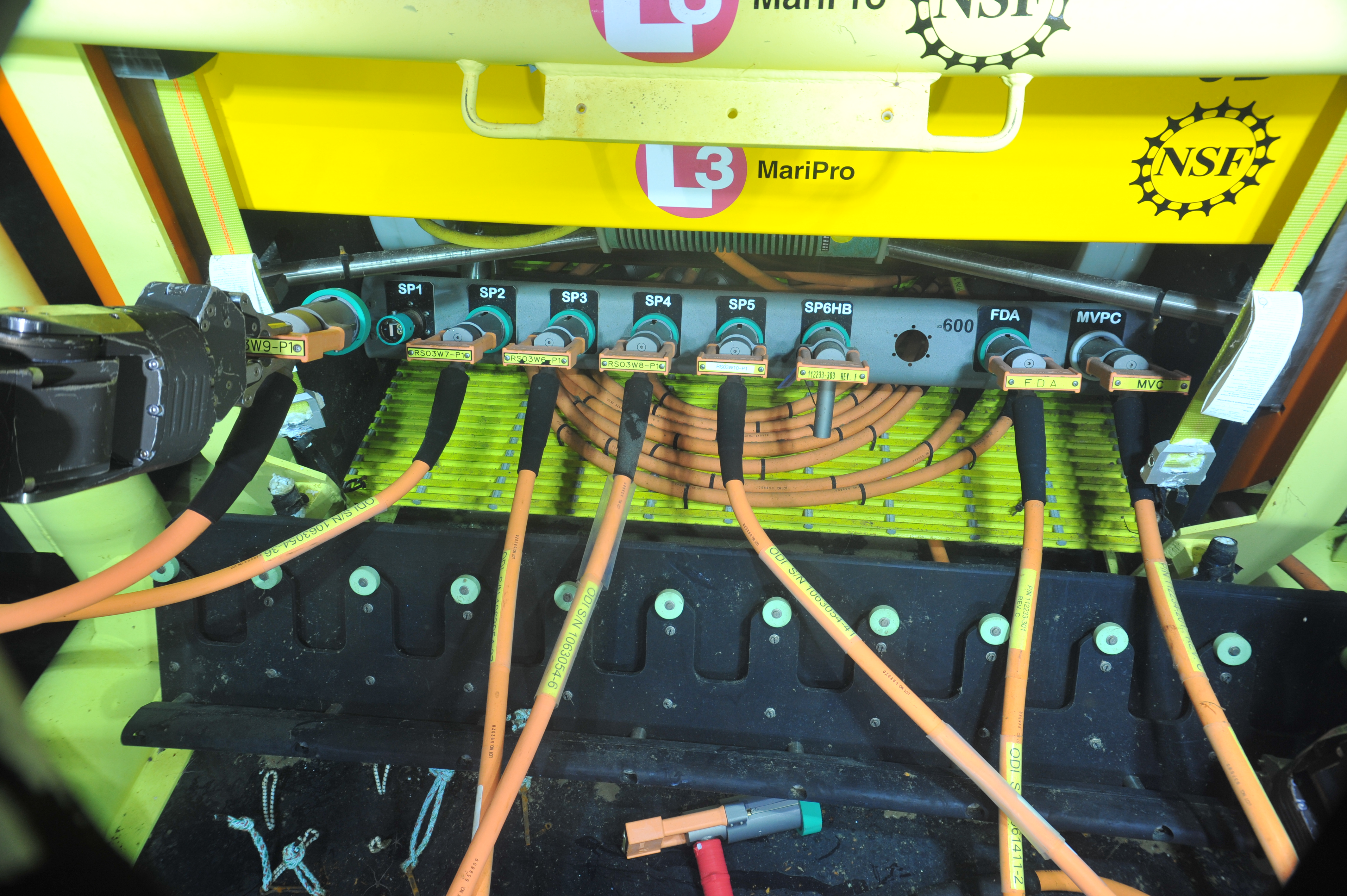
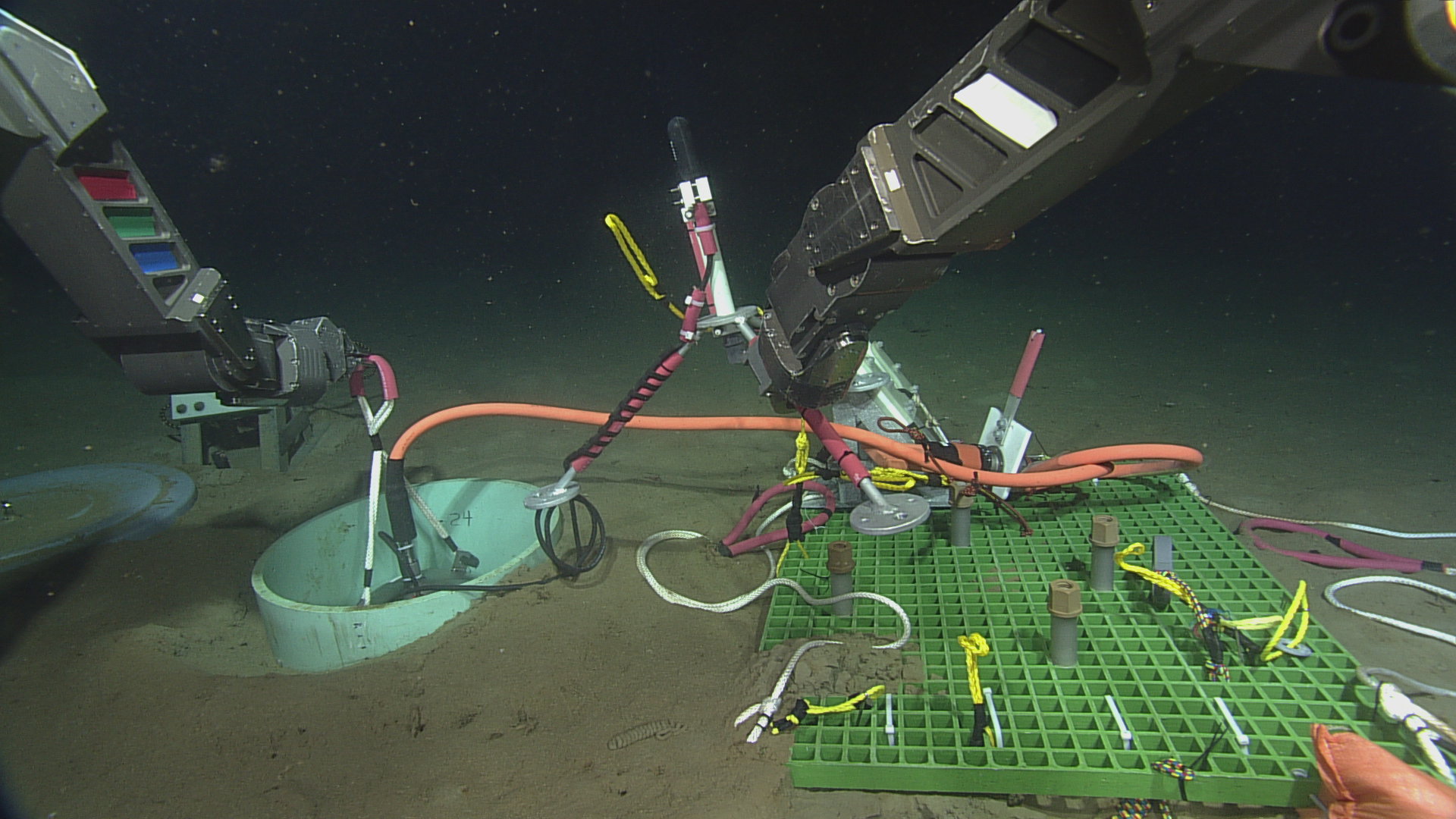
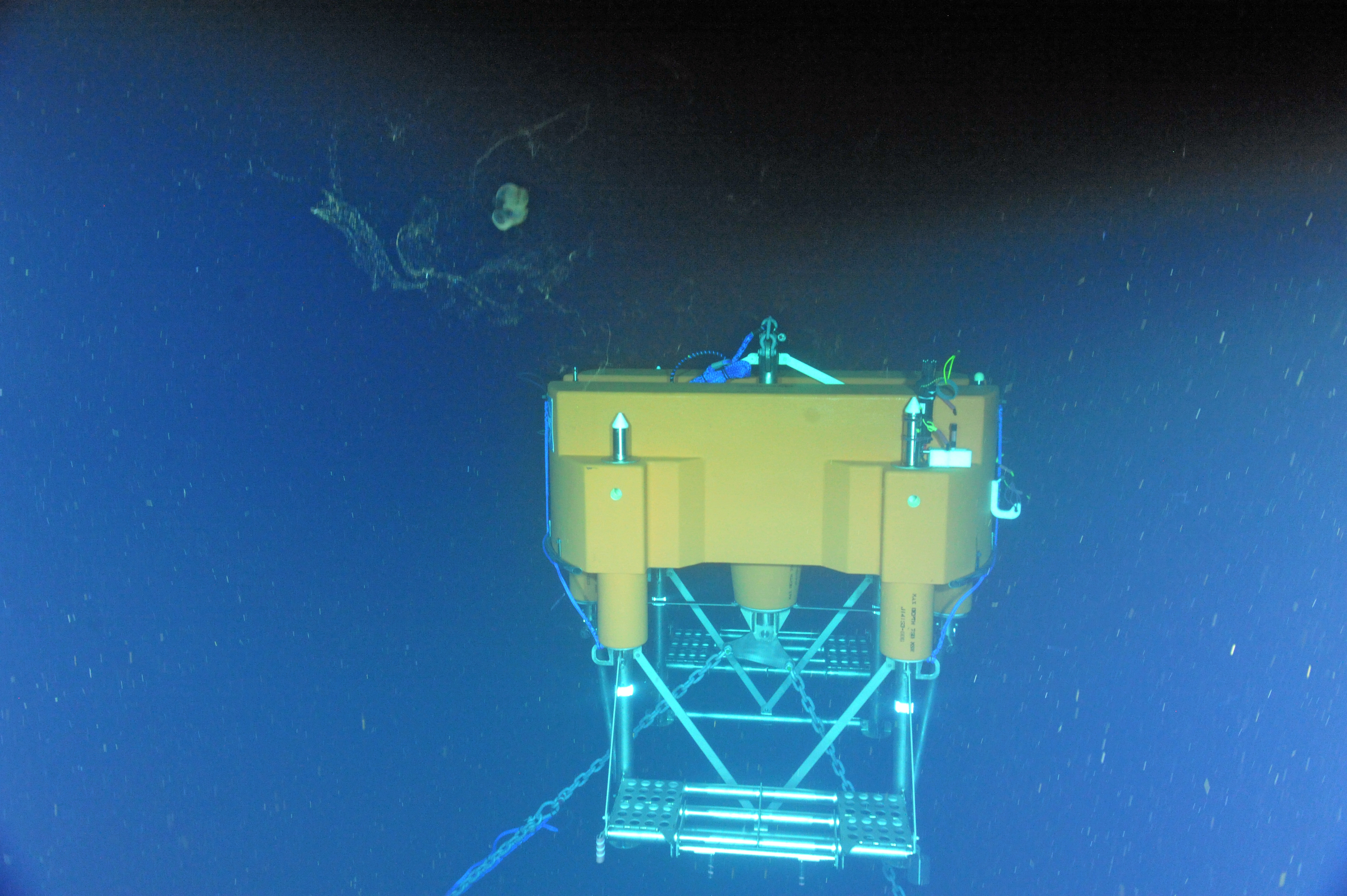
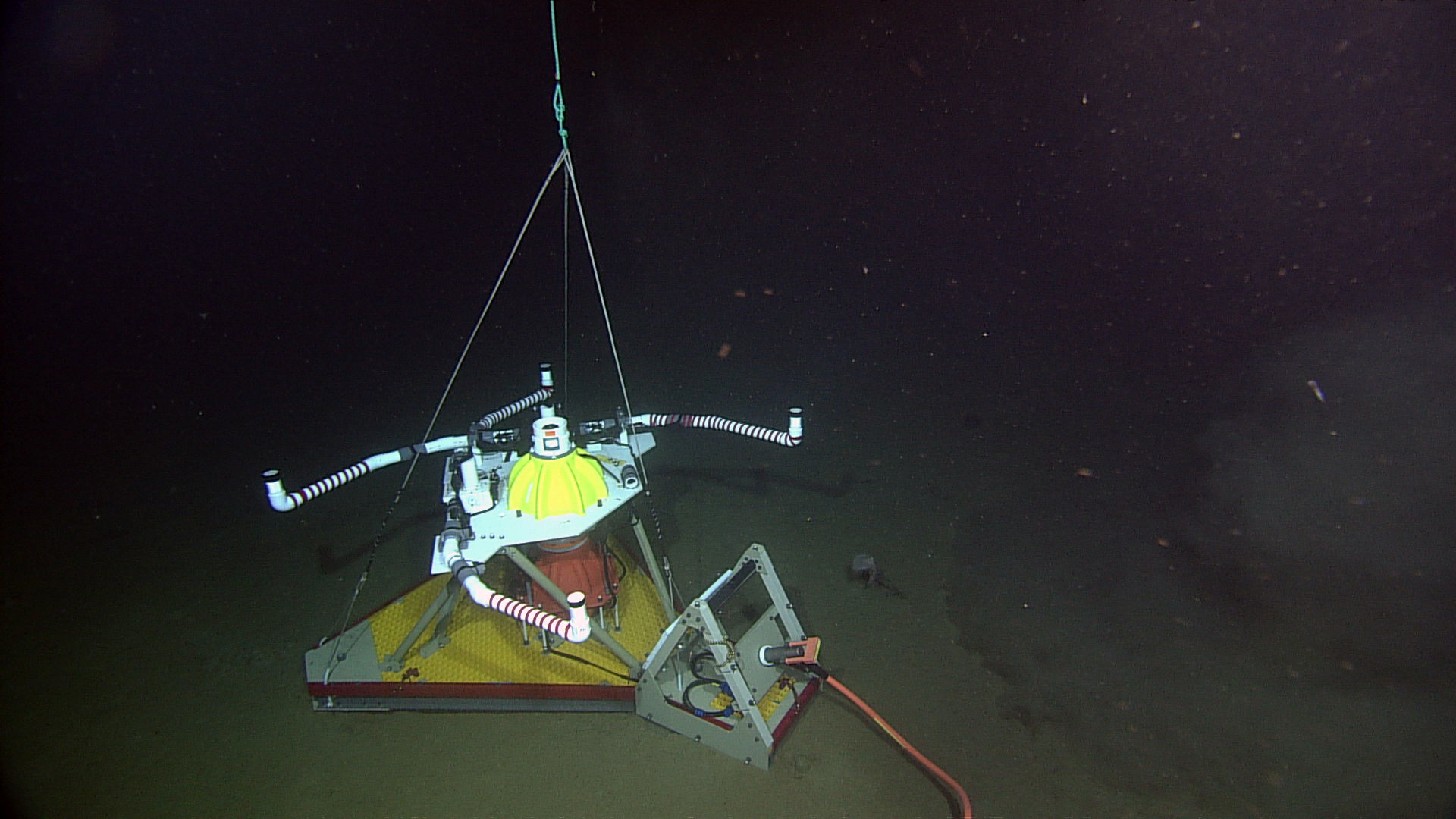
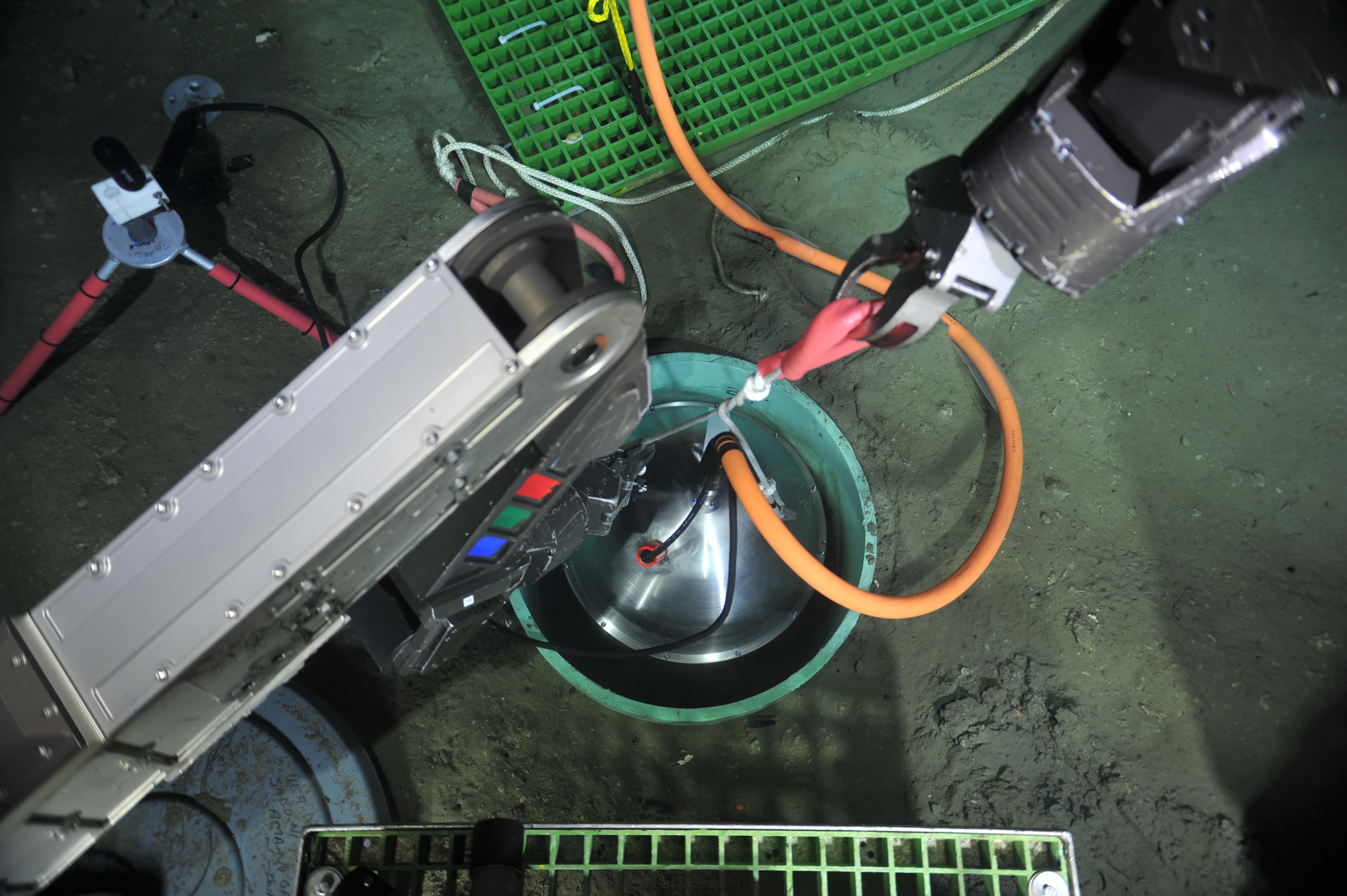
The 1 km extension cable from the Primary Node PN3A at the base of Axial Seamount is connected to the low voltage node LV013A, which will feed the two moorings at this site. Photo credit: NSF-OOI/UW/CSSF; Dive R1717; V14.
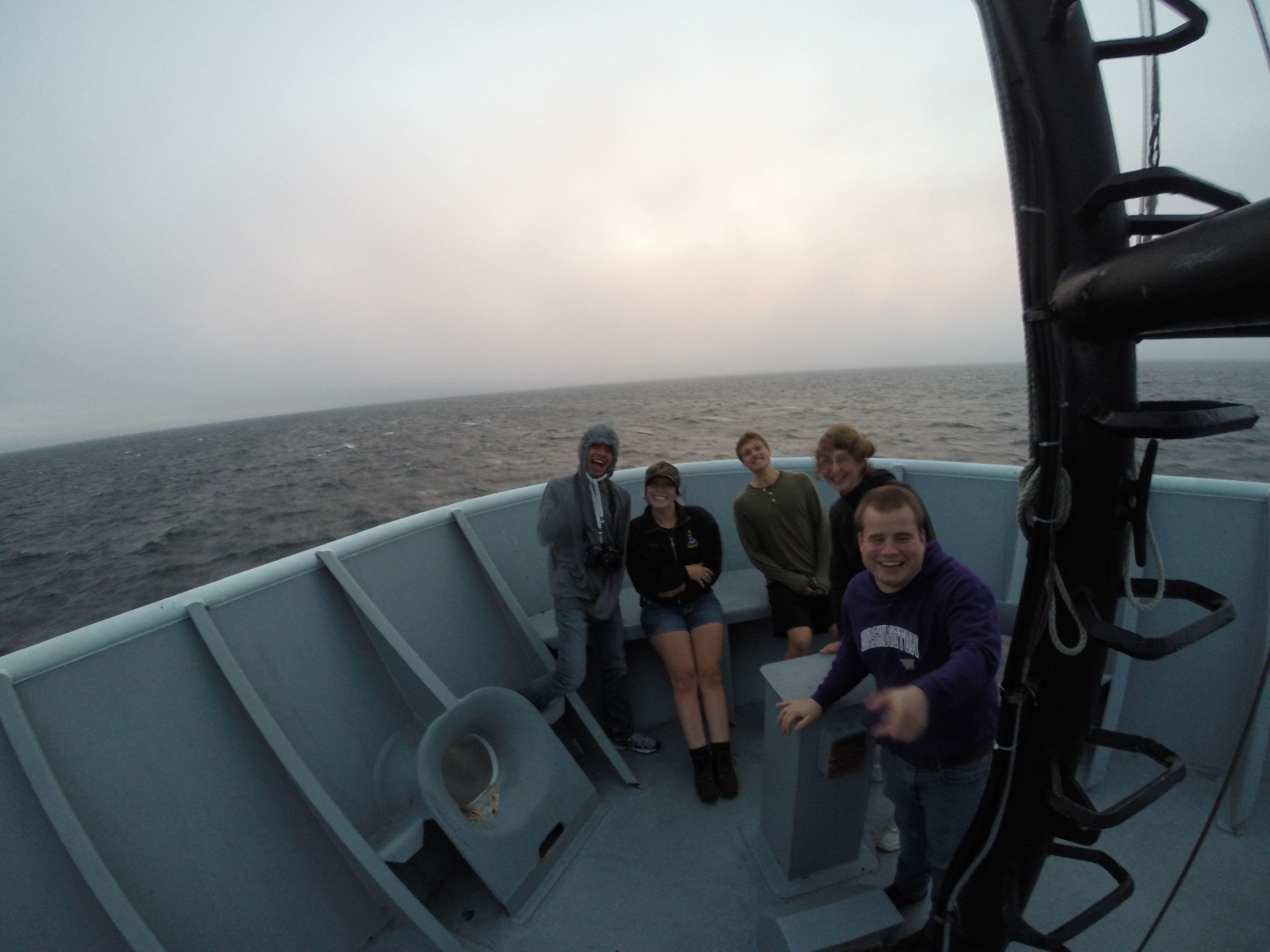
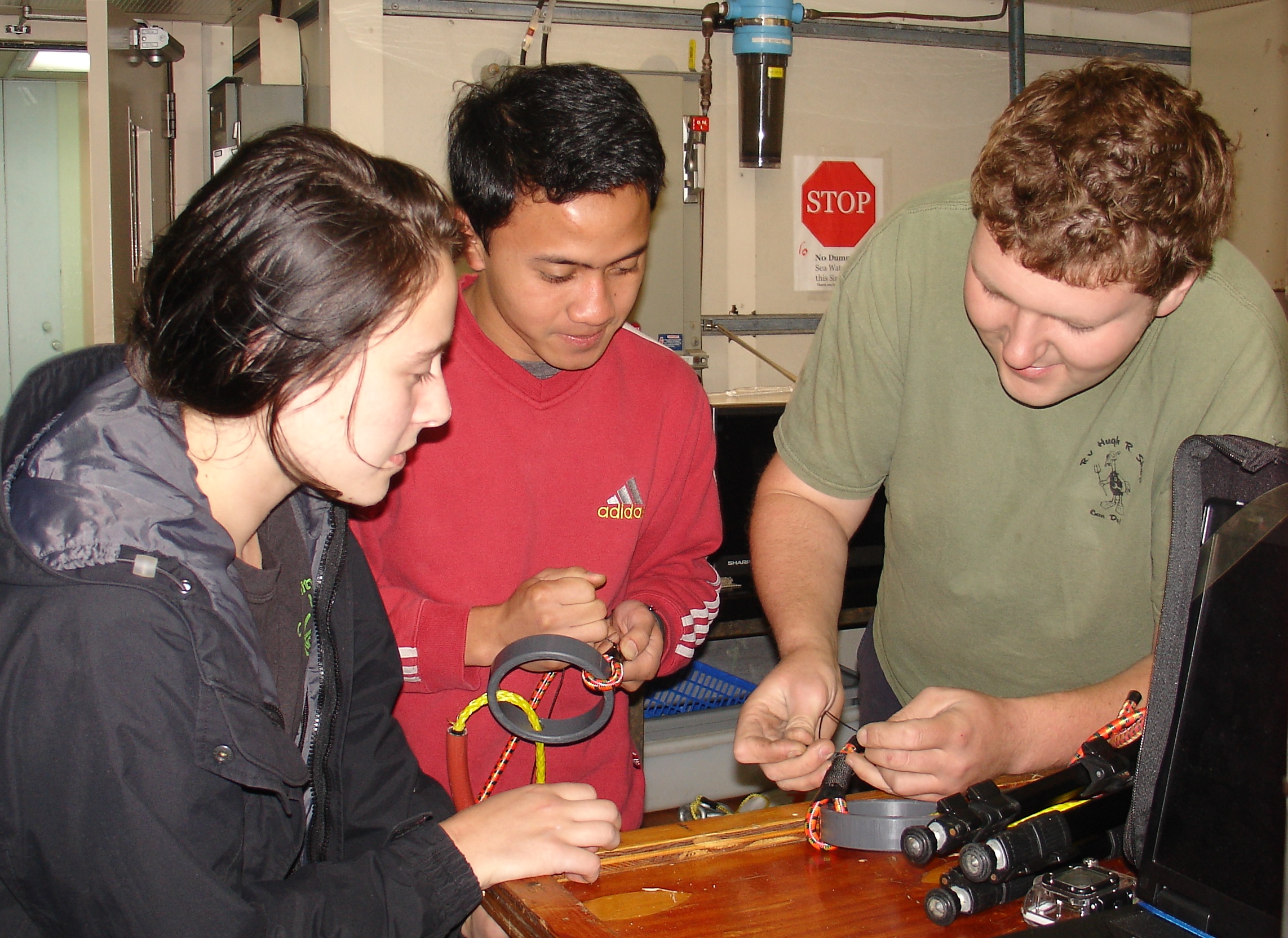
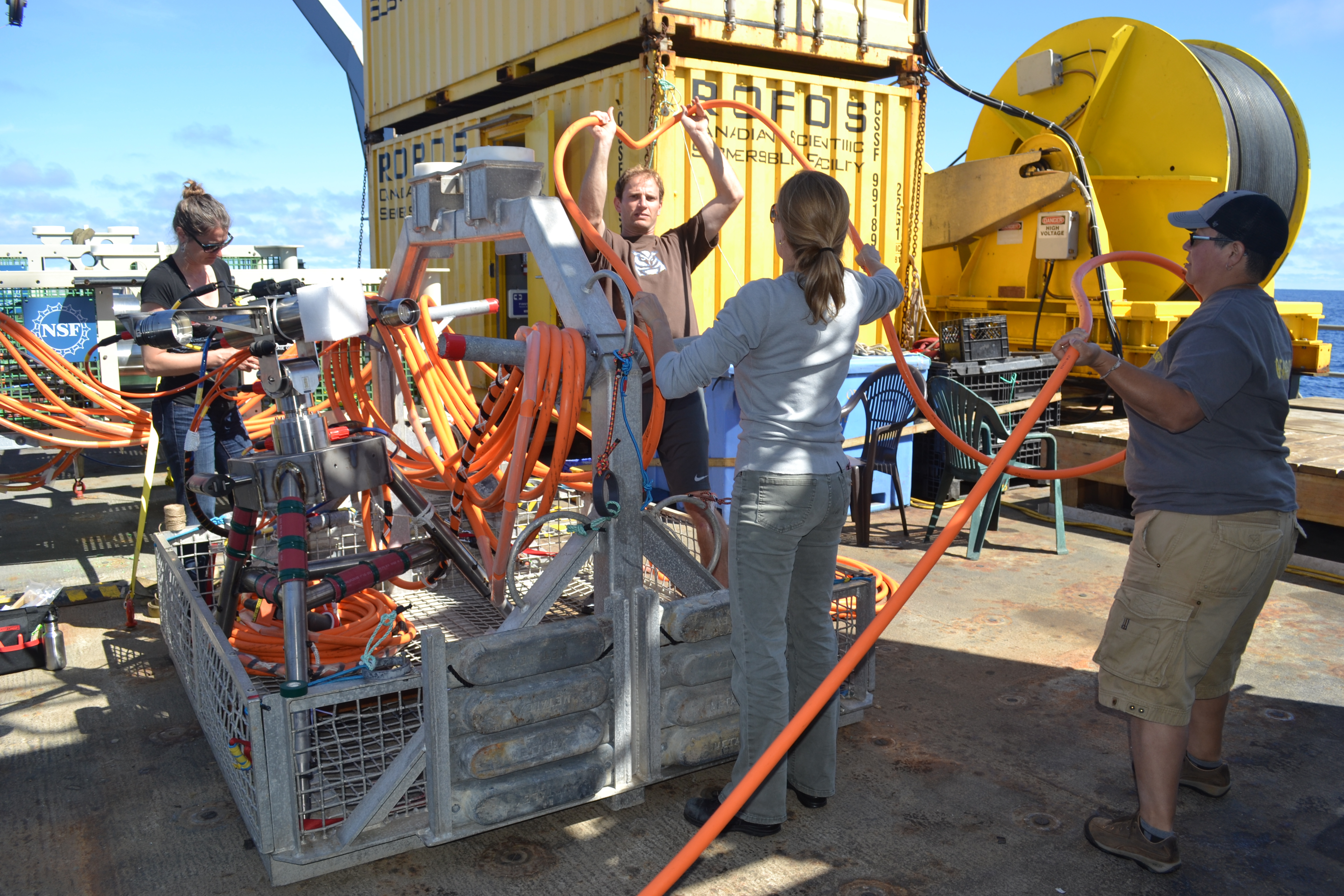
The entire crew turns out for hand spooling ~800 ft of extension cable back onto the ROCLS drum that was recovered from the seafloor. Hard work, but lots of smiles. Photo credit: Mitch Elend, University of Washington, V14.
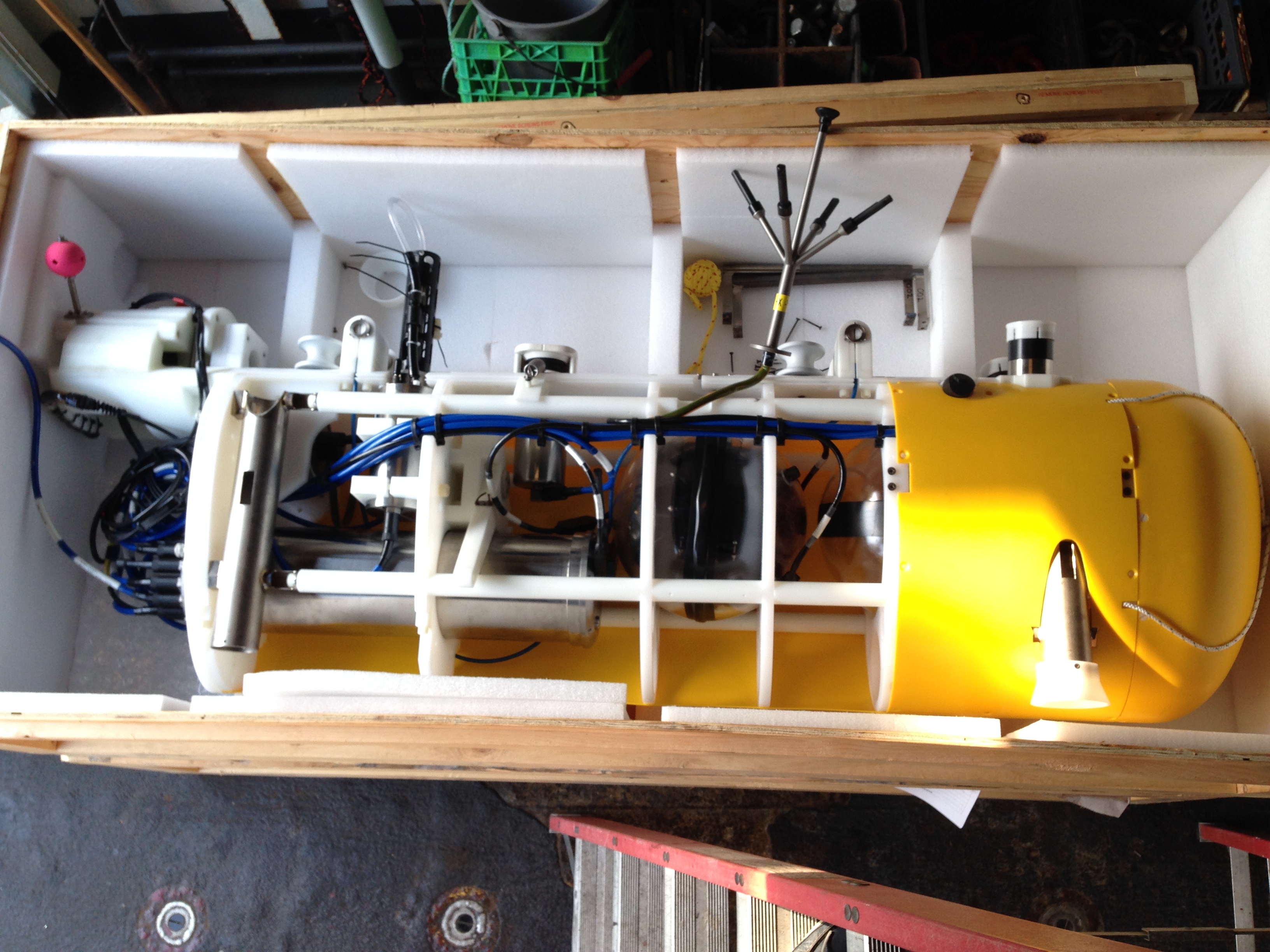
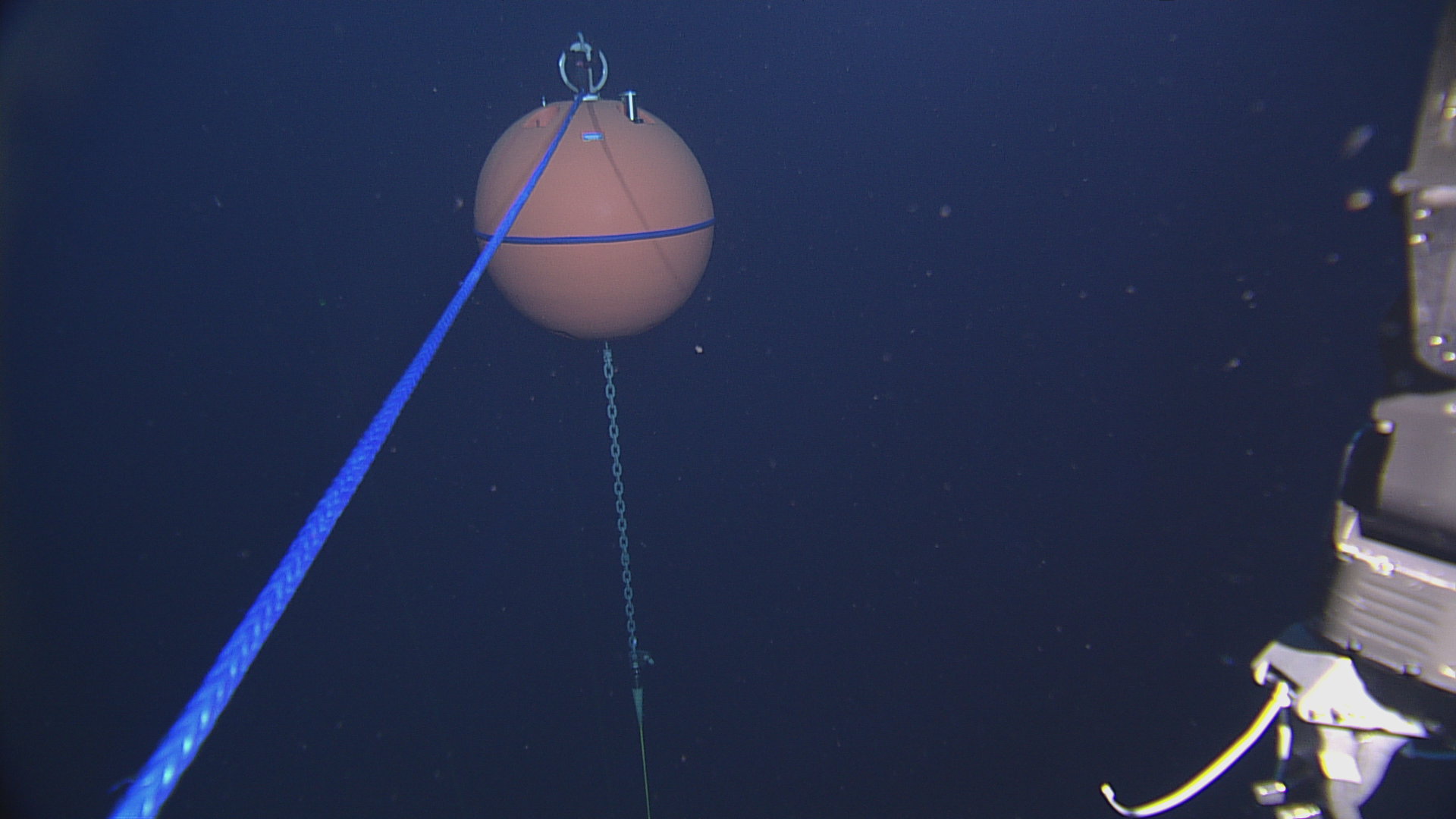
A McLane wire-following profiler, modified to add inductive charging and communications, and holding a CTD, dissolved oxygen, fluorometer and 3D single point velocity sensors.
Photo Credit: Kendra Daly, USF
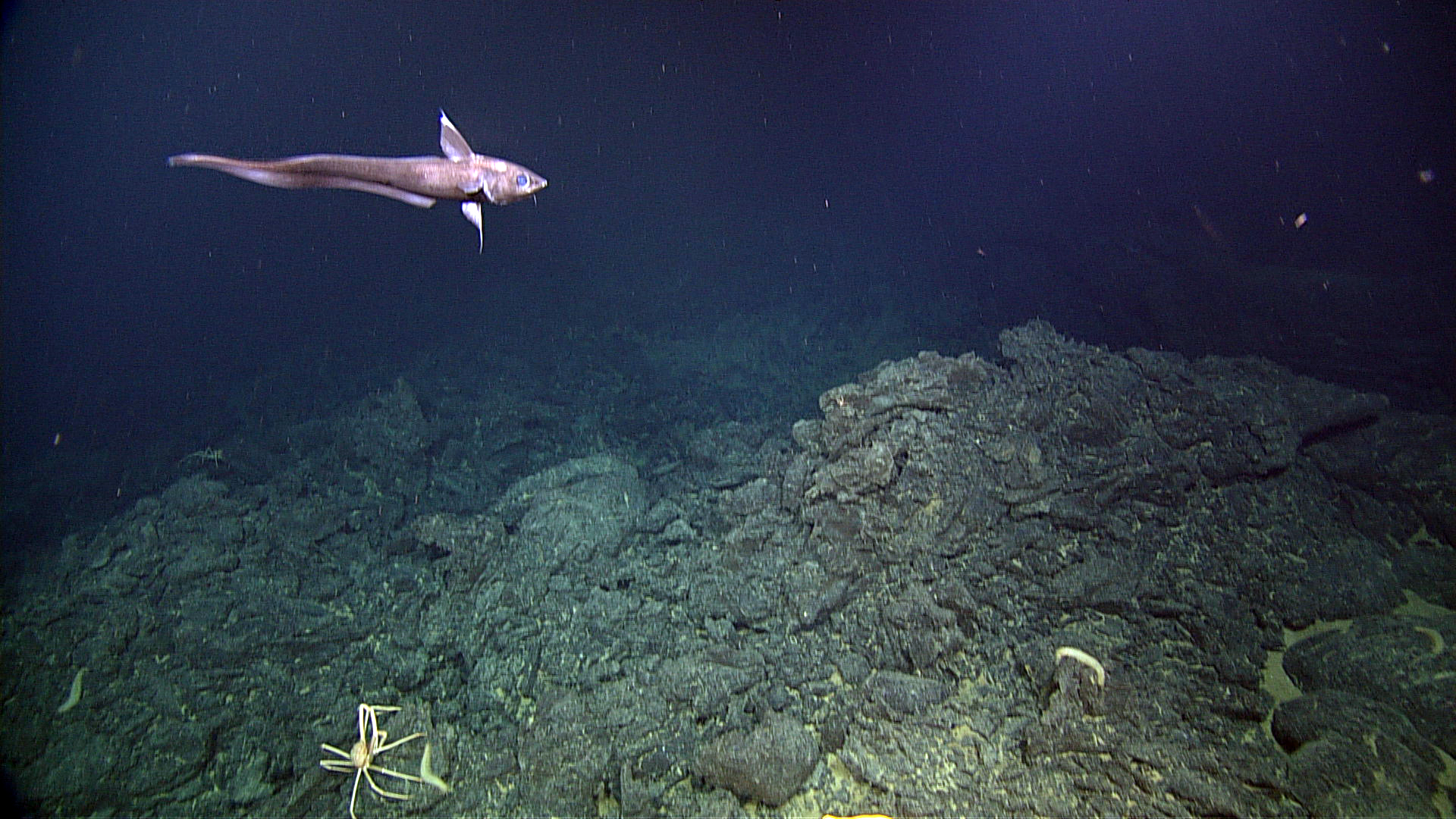
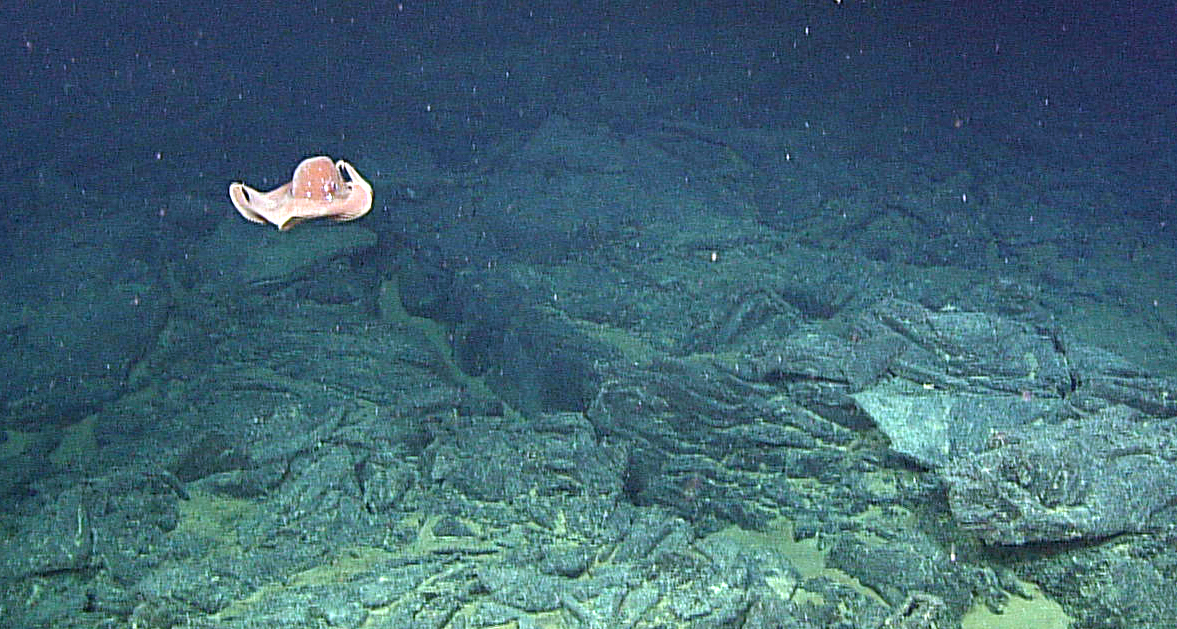
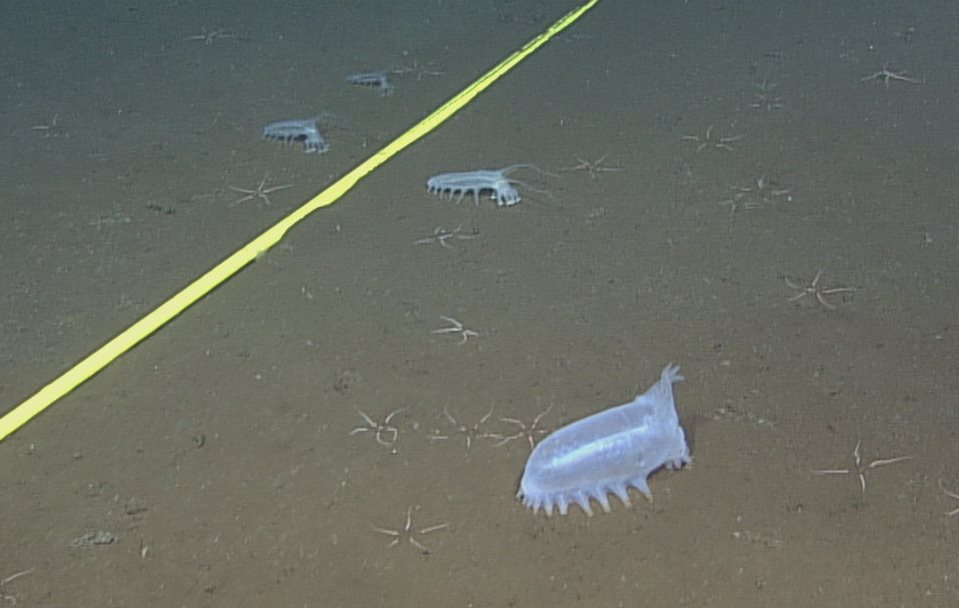
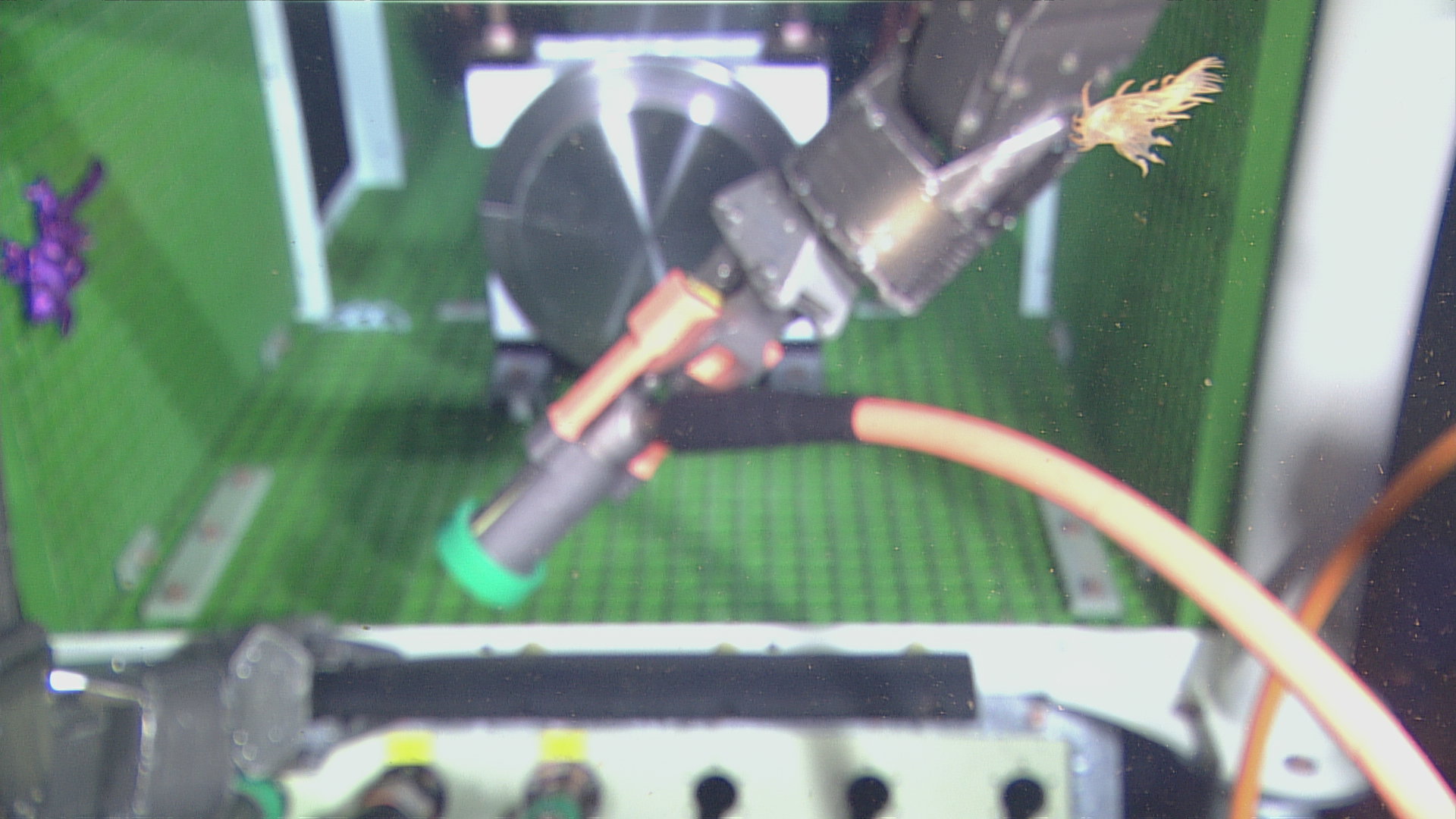
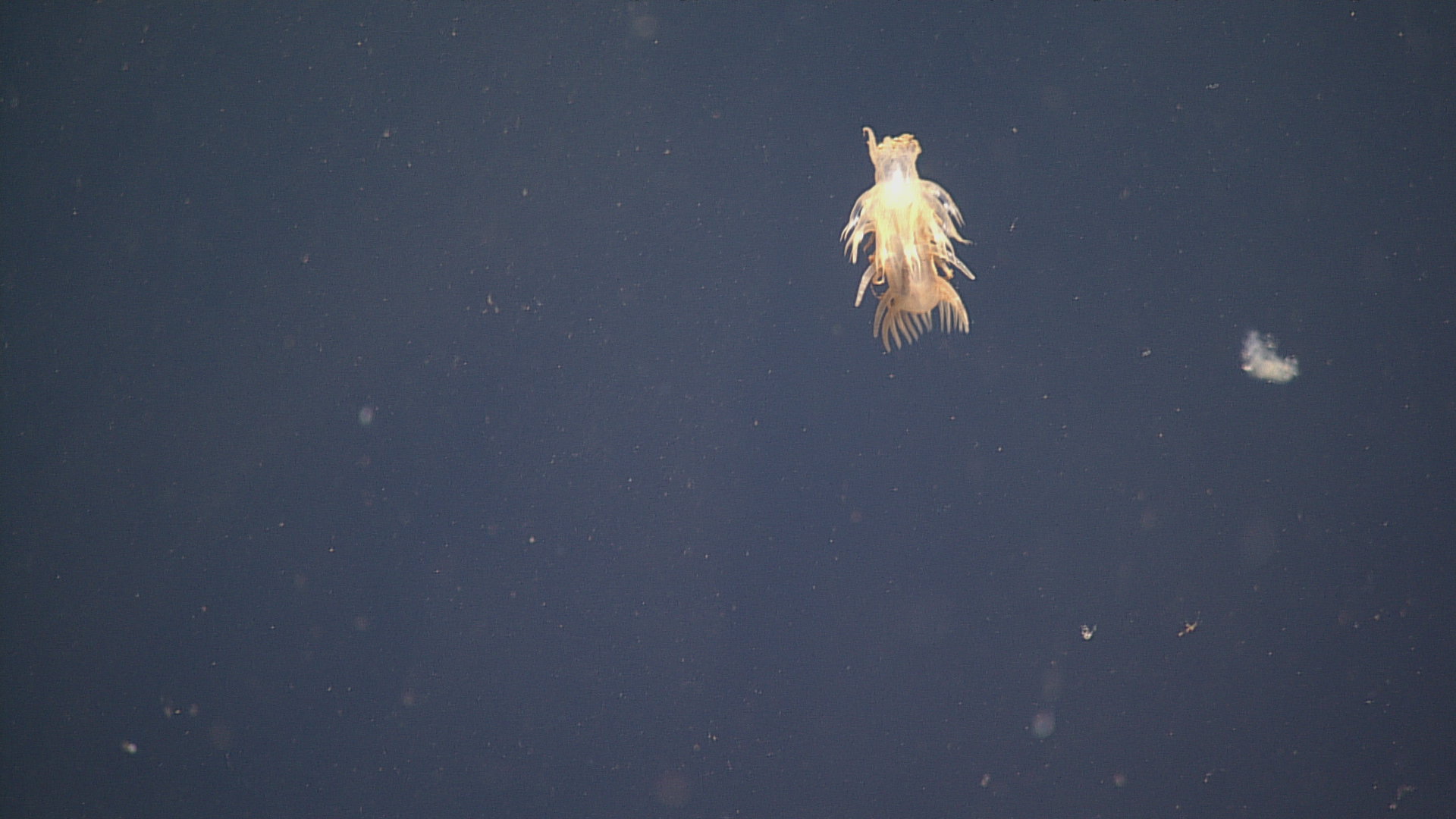
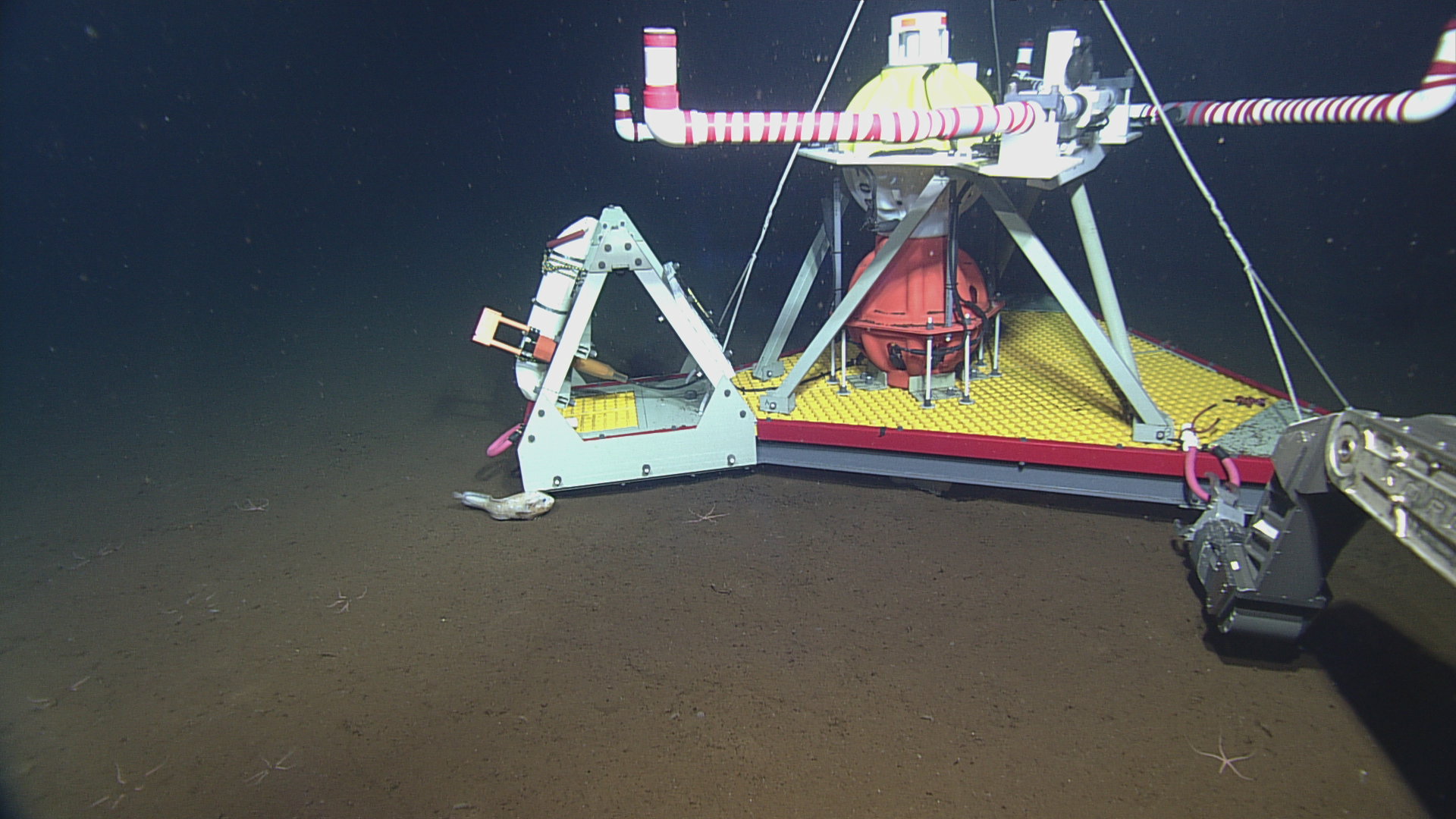
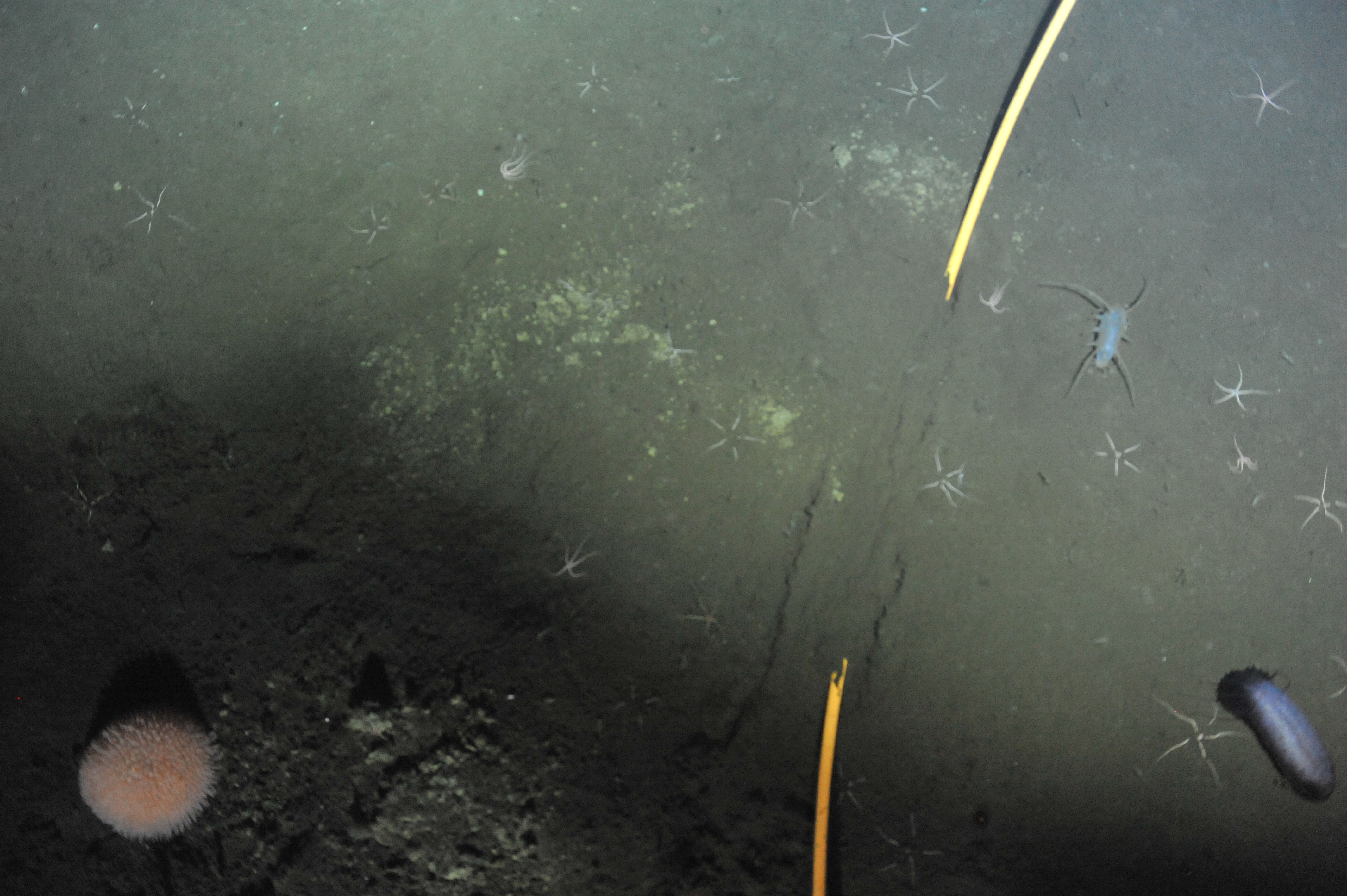
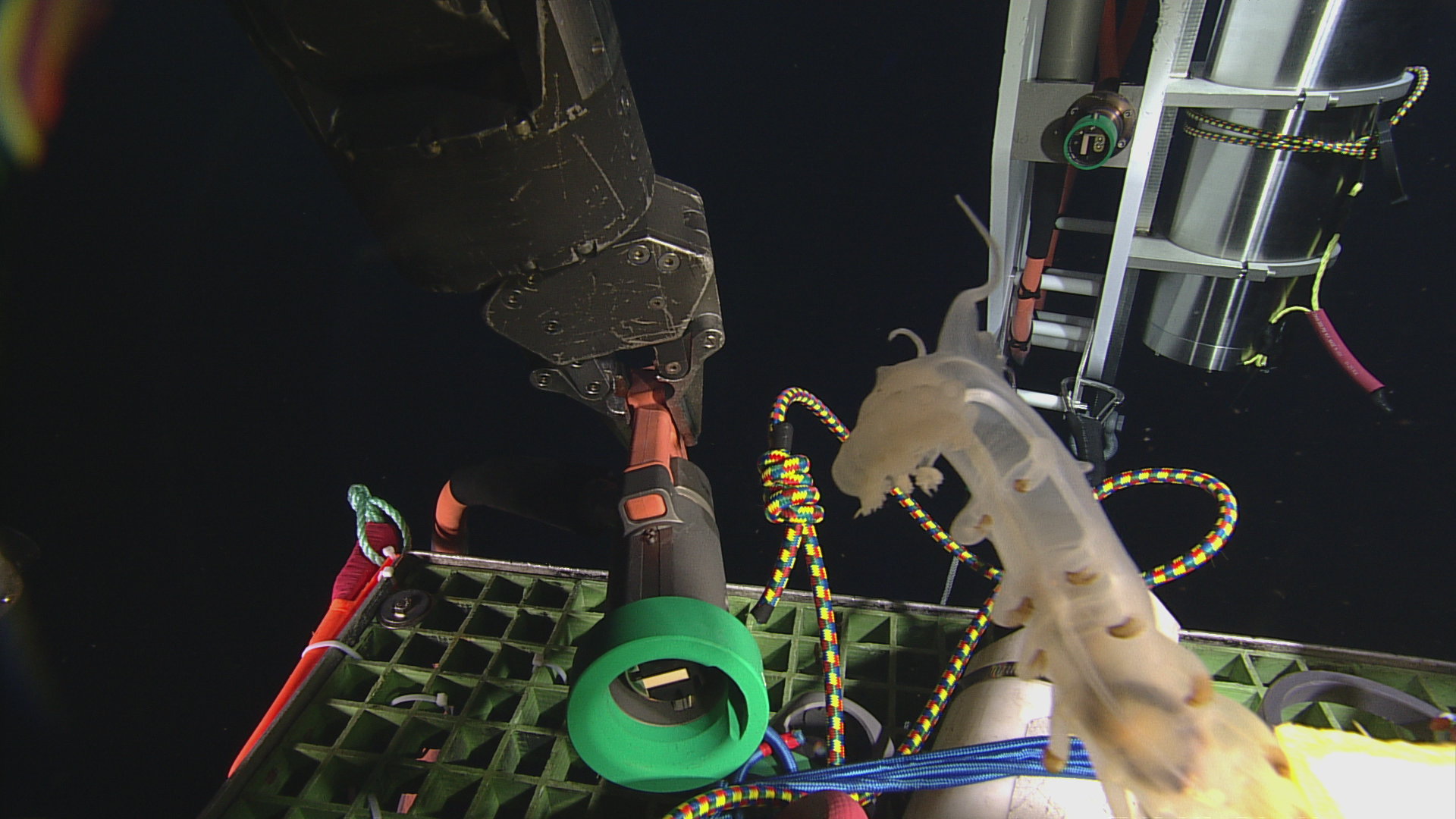
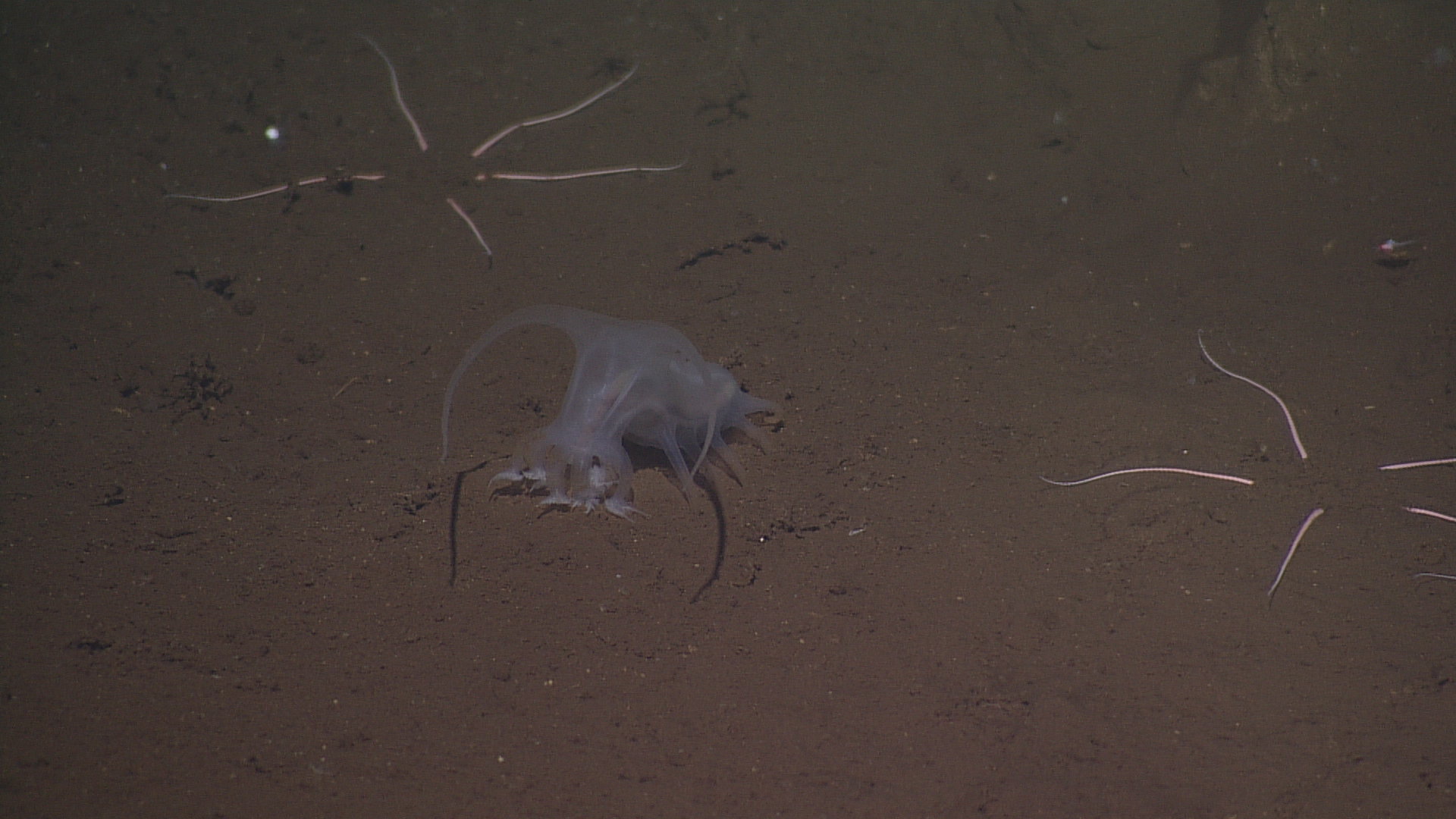
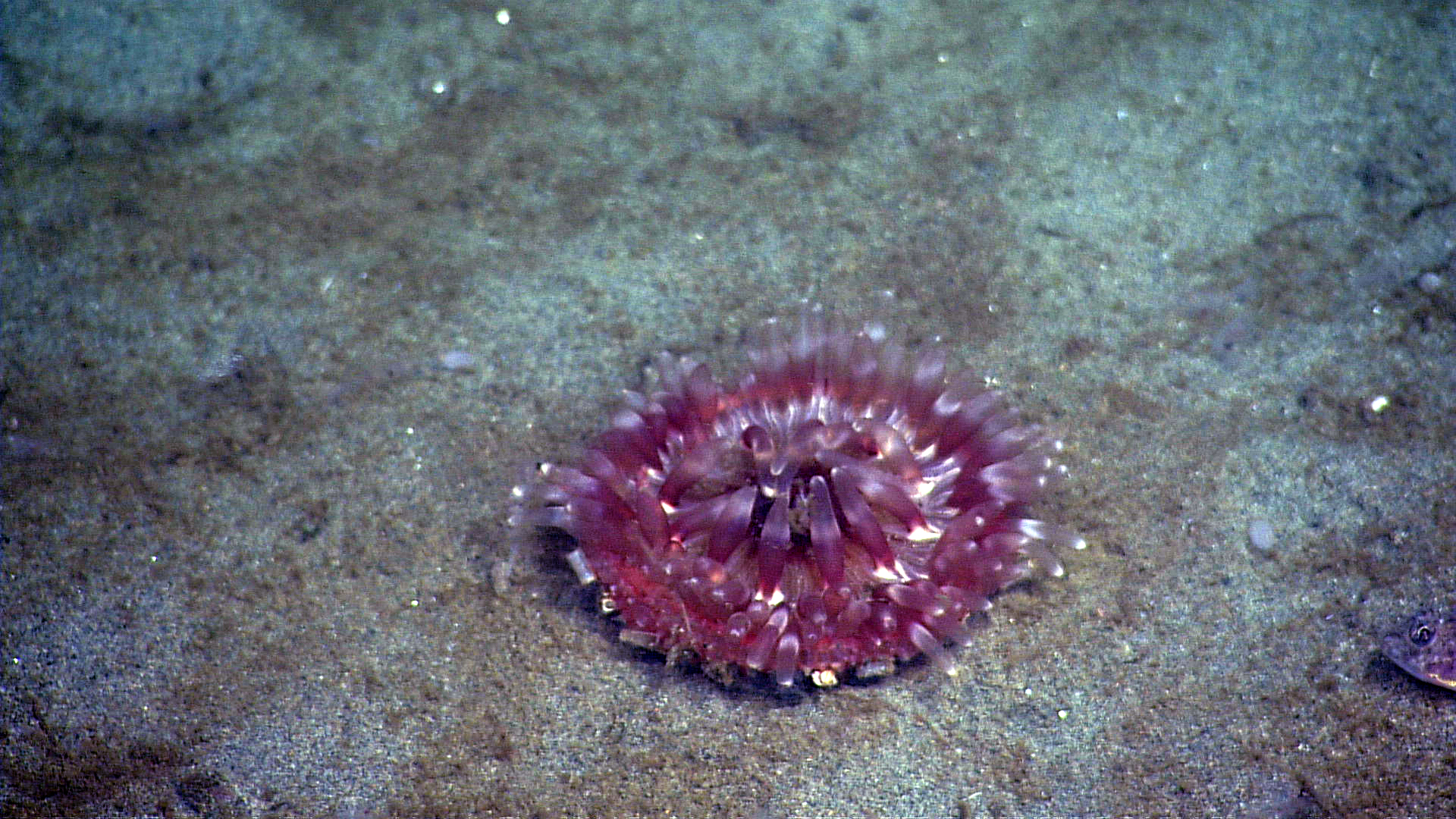
The connectors for the deep profiler mooring and wire AXVMW4, with a photobomb from a Peniagone sea cucumber.
Photo Credit: NSF-OOI/UW/CSSF, Dive 1739, V14