Skip to content
OOI Regional Cabled Array logo
Interactive Map
  • Home
  • About
    • Regional Cabled Array
    • Ocean Observatories Initiative
    • People
    • Acknowledgements
    • Contact
  • Research Sites
    • Axial Base
    • Axial Caldera
      • ASHES
      • International District
      • Central Caldera
      • Eastern Caldera
    • Oregon Offshore
    • Oregon Shelf
    • Oregon Slope Base
    • Southern Hydrate Ridge
    • Mid-Plate
  • Technology
    • Cabled Network
    • Cables & Connectors
    • CTD Rosette
    • Primary Nodes
    • Junction Boxes
    • Benthic Experiment Package (BEP)
    • Deep Profiler Moorings
    • Shallow Profiler Moorings
    • ROVs
    • Ships
    • Terrestrial Network
  • Instruments
  • Expeditions
    • VISIONS 26
    • VISIONS 25
    • VISIONS 24
    • VISIONS 23
    • VISIONS 22
    • VISIONS 21
    • VISIONS 20
    • VISIONS 19
    • VISIONS 18
    • VISIONS 17
    • VISIONS 16
    • VISIONS 15
    • VISIONS 14
    • VISIONS 13
    • VISIONS 11
  • Education
    • Cabled Array in the Classroom
    • Engagement Products
    • K12 Lessons
    • Data Portal
  • Resources
    • Galleries
    • Biology Catalog
    • Featured Posts
    • Glossary

Acorn Worms (Enteropneusts)

  • November 18, 2026

Acorn Worms (Enteropneusta)


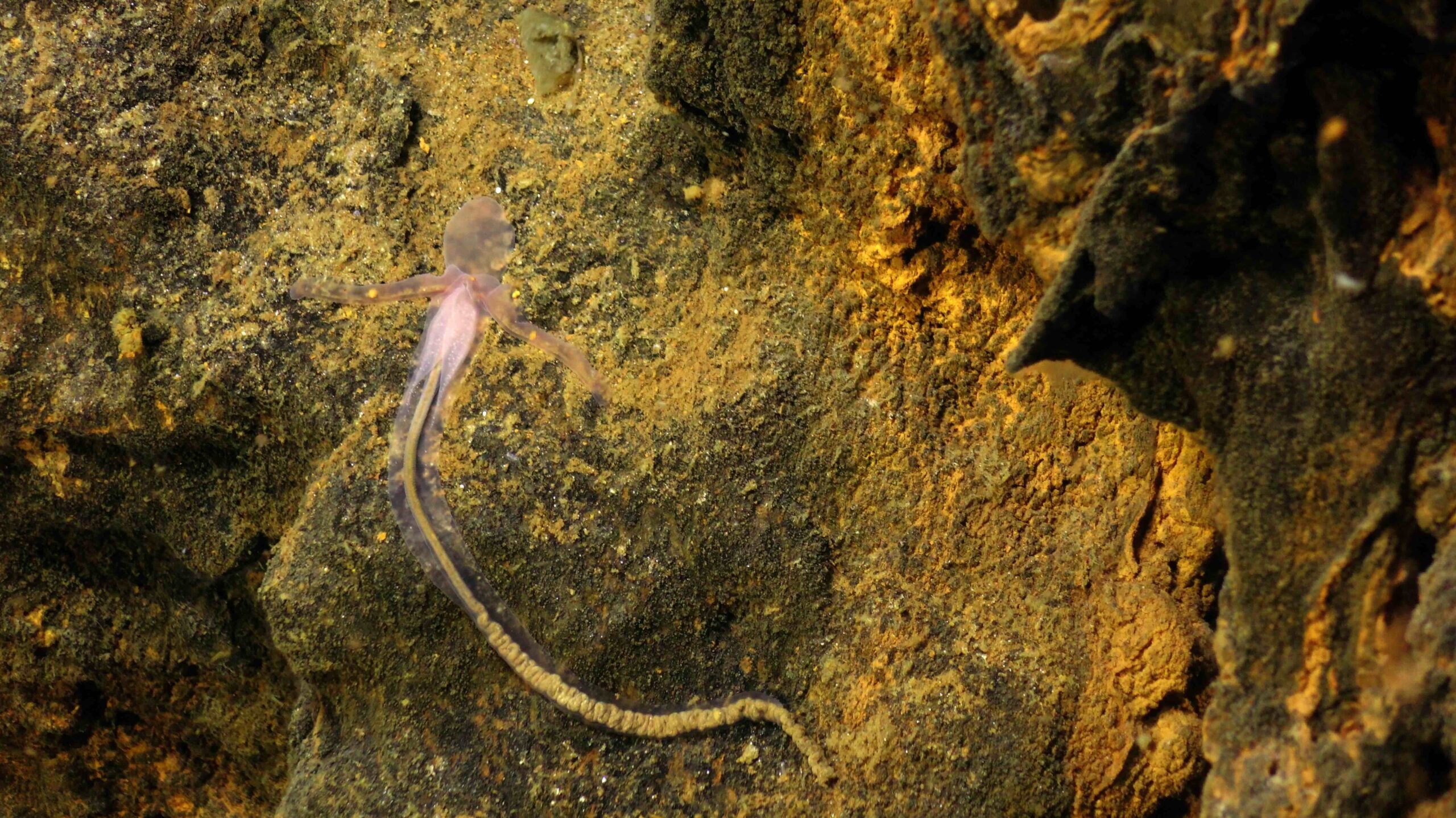
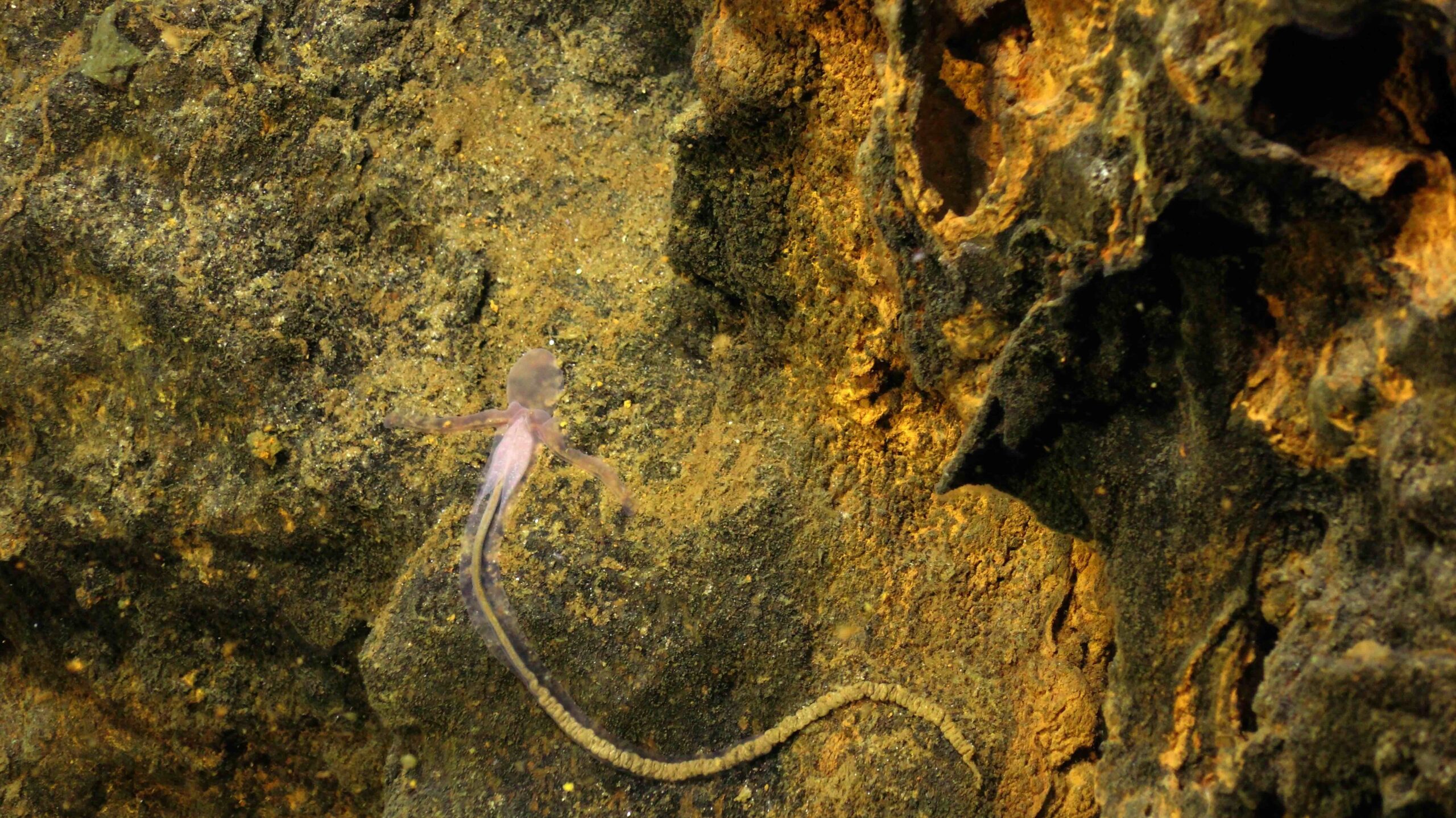
Enteropneusts can be seen crawling on the sediment and creating their spiral fecal trails at the deepest OOI sites: Axial Base (2600 meters depth) and Slope Base (2900 meters depth), but we occasionally see individuals near Axial Seamount vent sites as well.

References:
Wikipedia
WoRMS Taxonomic Database
MBARI Animal Archive

translucent pink worm-like animal with a hood and long fecal trail
A pink enteropneust (aka Acorn Worm) at Dymond Vent Field on the SE flank of Axial Seamount. Credit: UW/NSF-OOI/WHOI; J2-1668, V24.
translucent pink worm-like animal with a hood and long fecal trail
Close-up of a pink enteropneust (aka Acorn Worm) at Dymond Vent Field on the SE flank of Axial Seamount. Credit: UW/NSF-OOI/WHOI; J2-1668, V24.
purple animal in the middle of a spiral on the seafloor
An enteropneust (acorn worm) sits at the middle of its faecal spiral. Credit: UW/NSF-OOI/WHOI; J2-1523, V23.
PrevPreviousGiant Phantom Jelly (Stygiomedusa)
Lorem ipsum dolor sit amet consectetur ni adipiscing elit.
  • Interactive Map
  • Contact
  • Ocean Observatories Initiative
  • NSF Disclaimer
  • Privacy & Terms
  • Interactive Map
  • Contact
  • Ocean Observatories Initiative
  • NSF Disclaimer
  • Privacy & Terms
OOI Regional Cabled Array logo
Instagram Twitter
Close Panel
  • Regional Cabled Array
  • Ocean Observatories Initiative
  • People
  • Acknowledgements
  • Contact