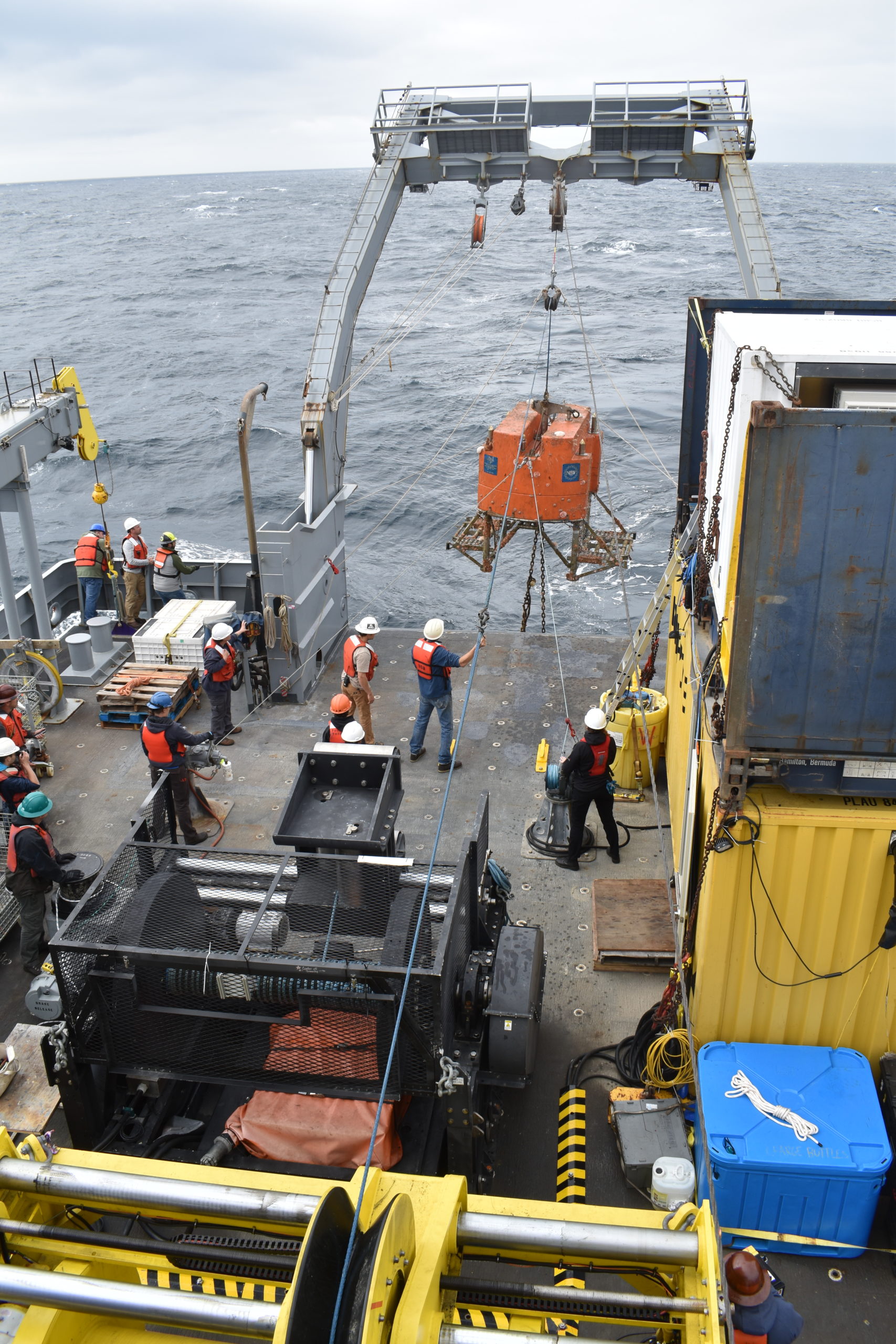
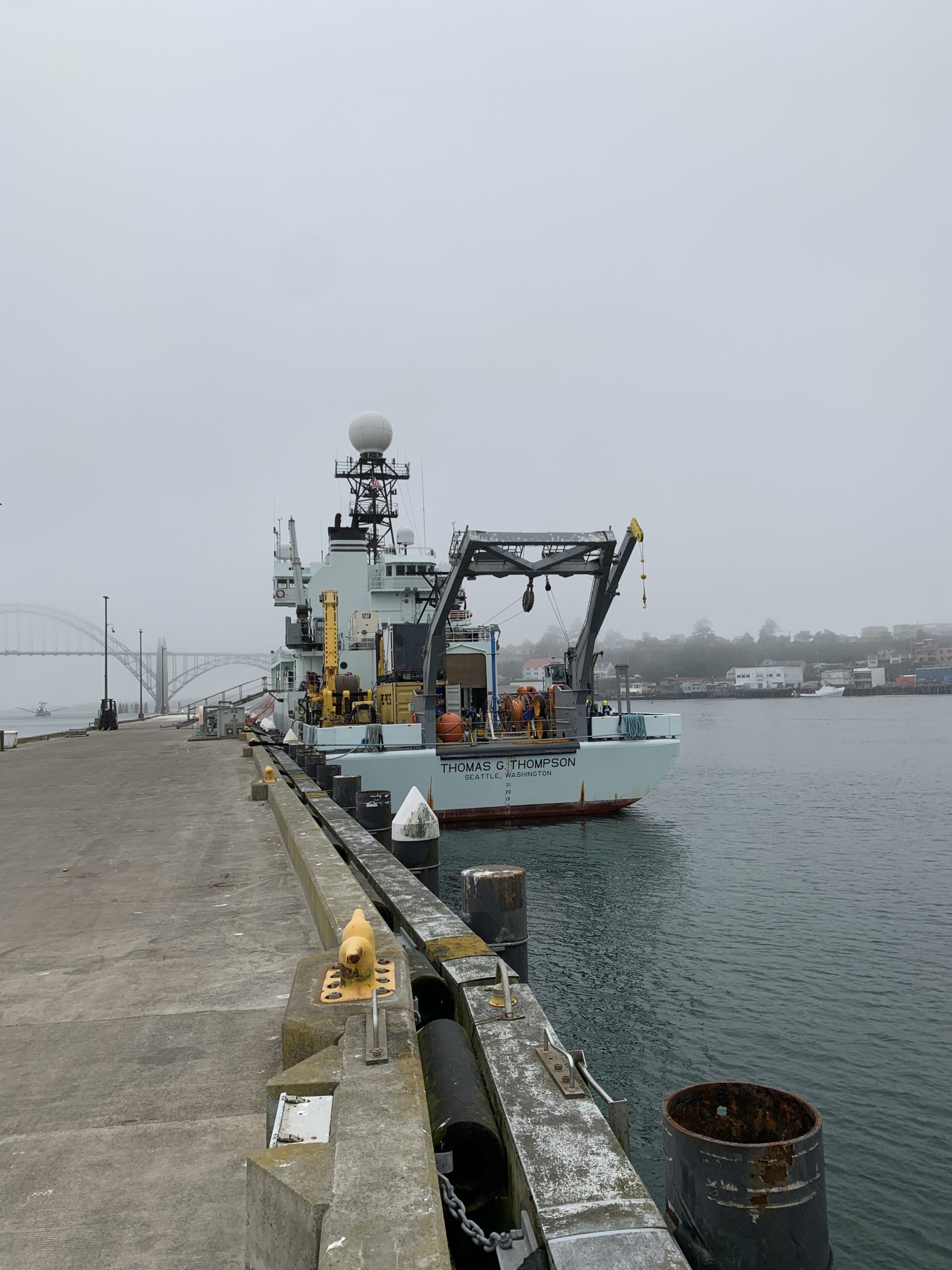
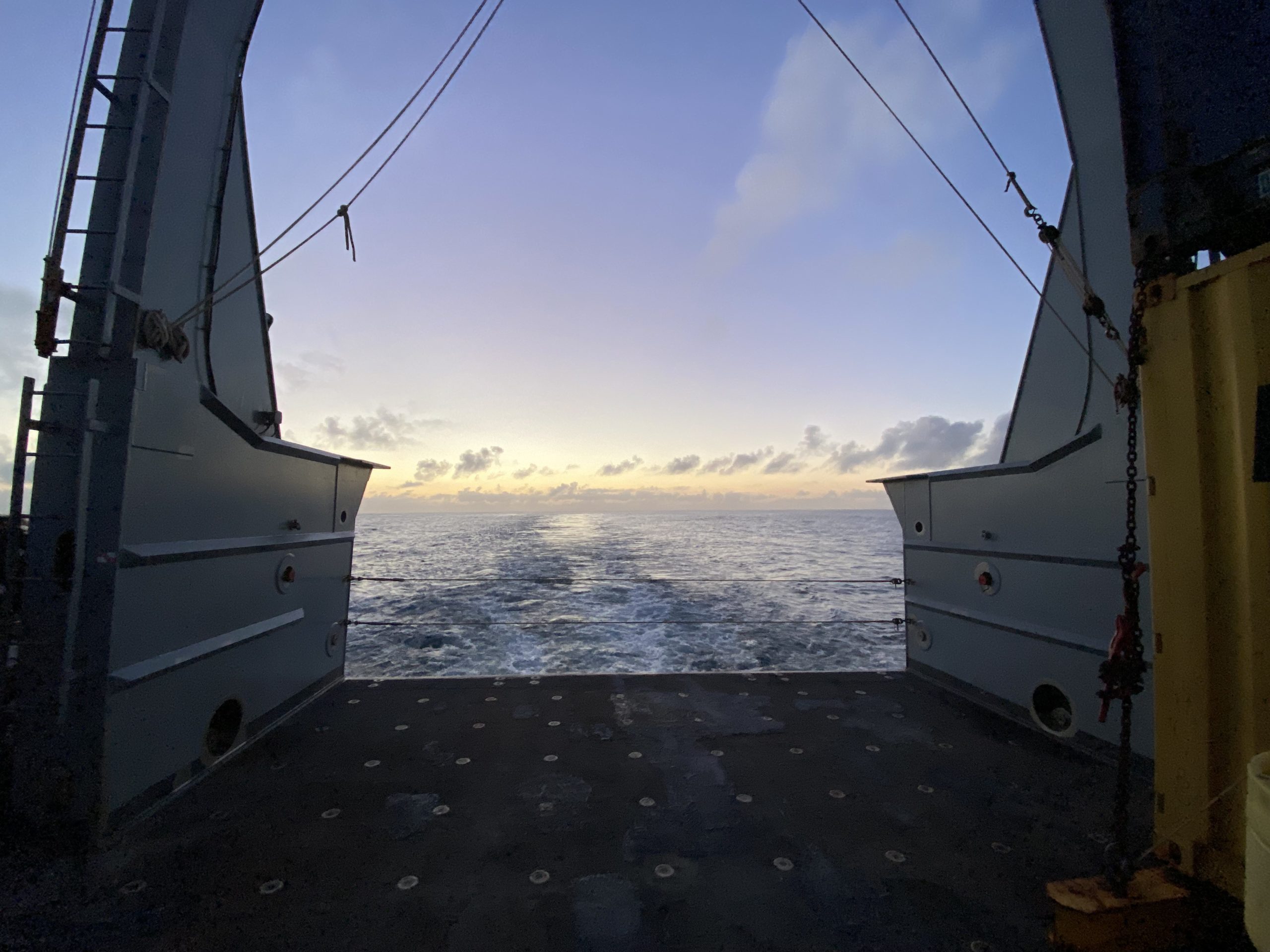
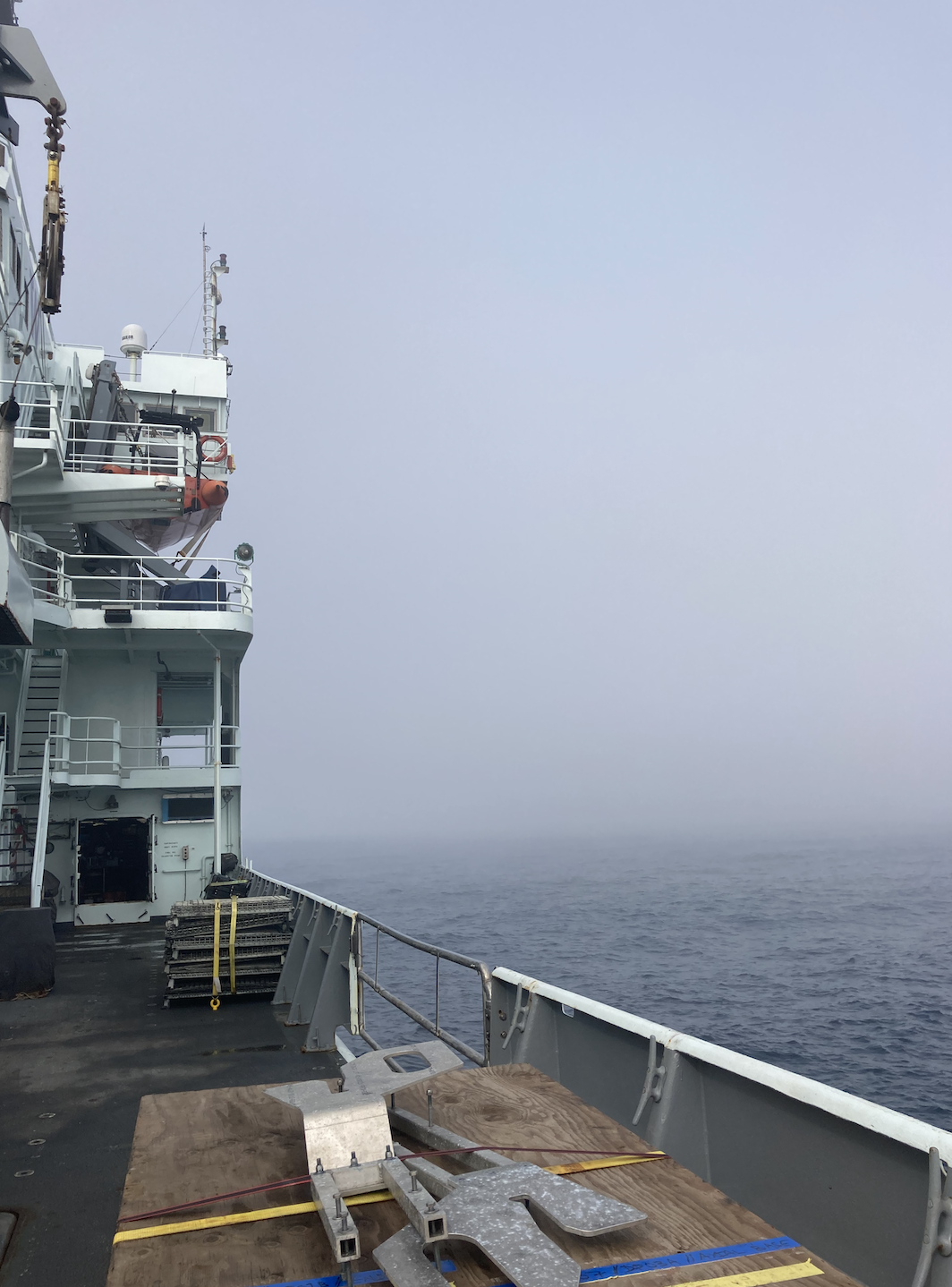
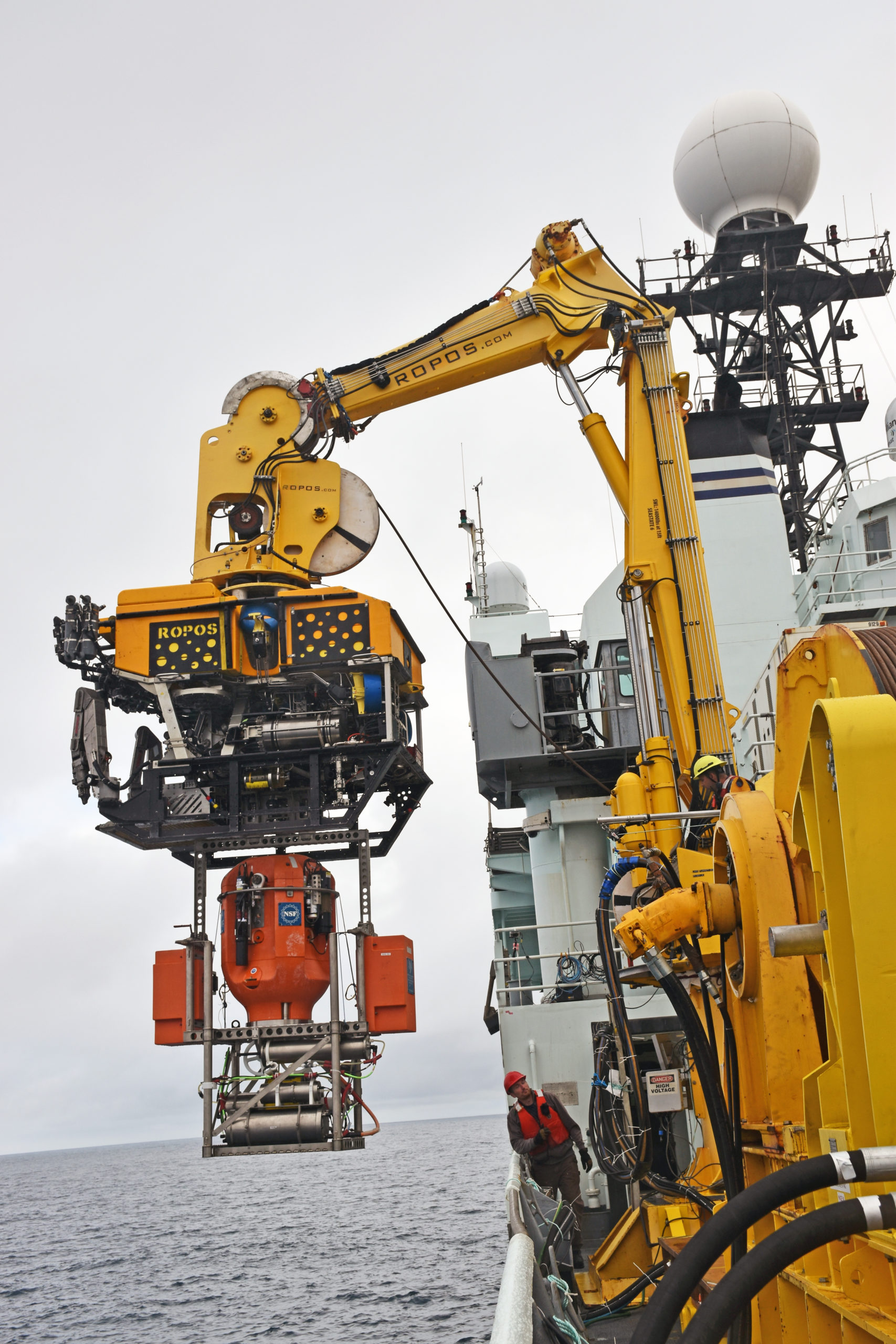
The fantail of the R/V Thompson at the start of Leg 3. Onboard is the low power junction box LJ03A, three instrumented Deep Profiler vehicles, a CTD tripod, and four FETCH tripods. Credit: M. Elend, University of Washington, V22.
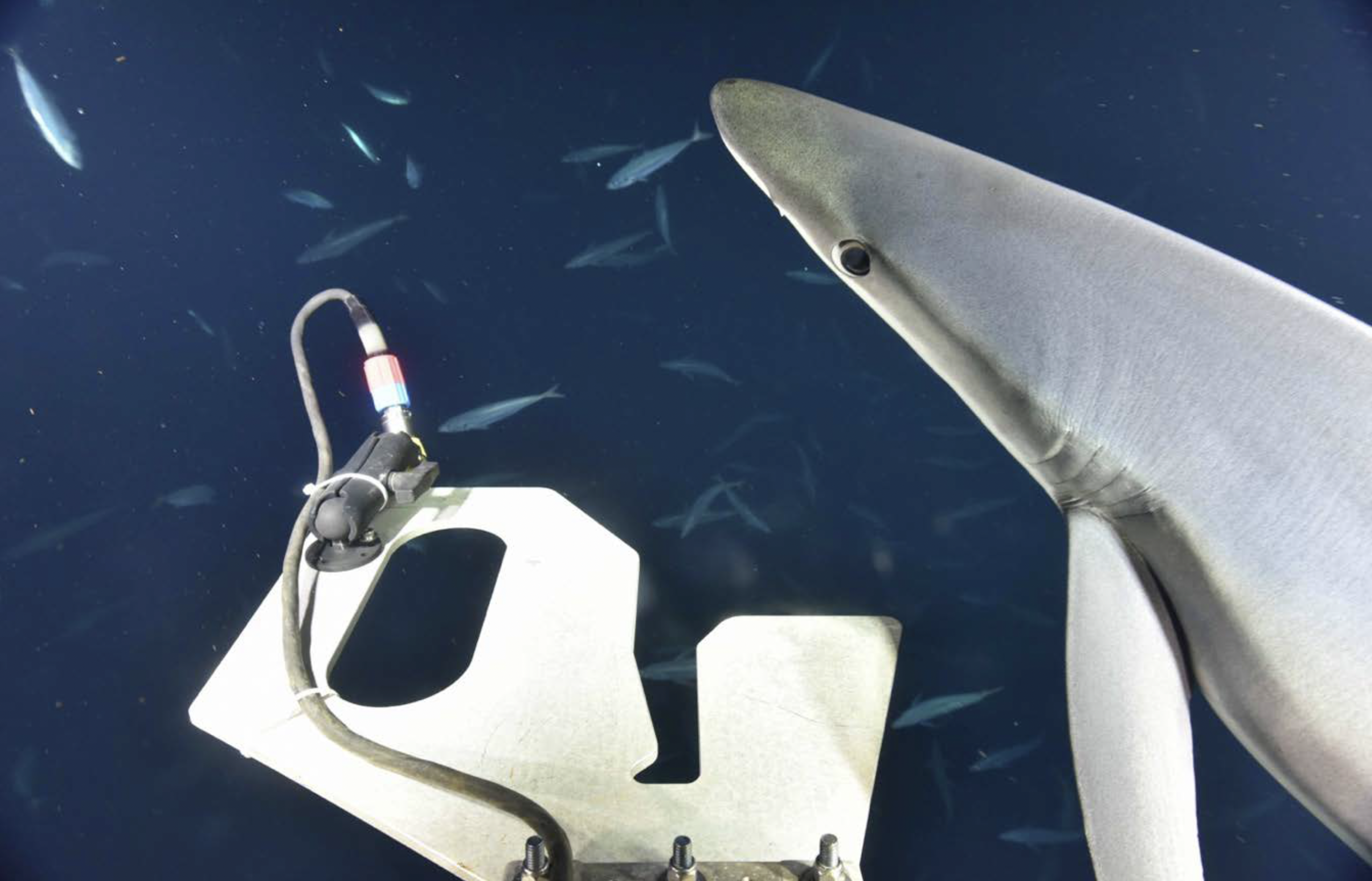
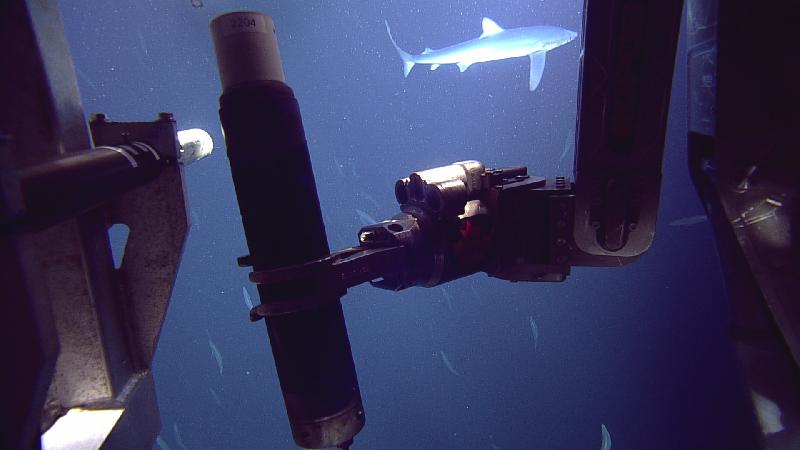
An aggressive blue shark approaches the ROV ROPOS at the Oregon Offfshore Site. Credit: UW/NSF-OOI/CSSF; ROPOS Dive R2231, V22.
The Shallow Mooring Platform is winched onboard the Thompson. Credit: M. Elend, University of Washington, V22.
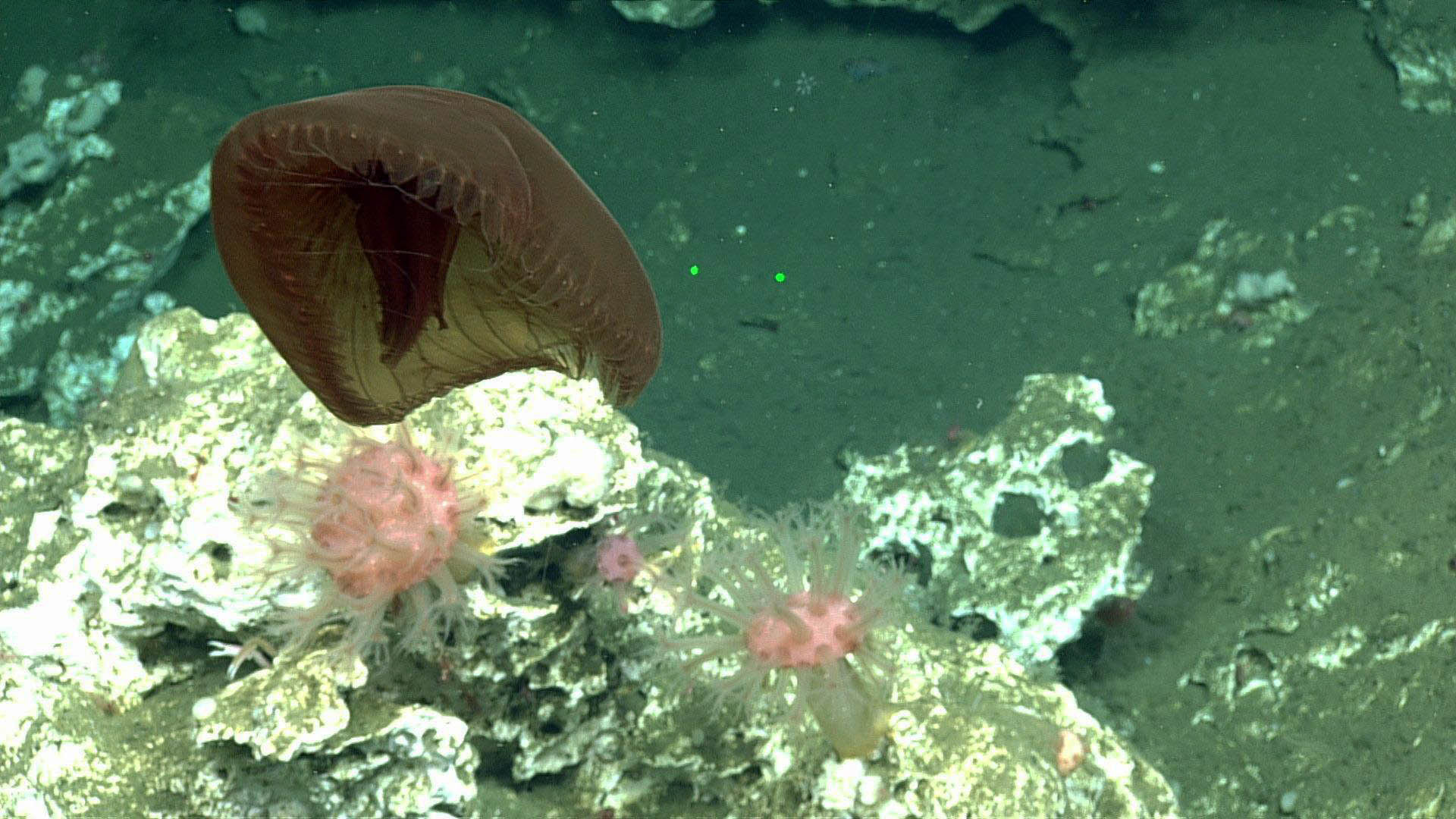
Corals, anemones, and sea feathers are some of the organisms that have colonized the mooring platform during its 8 year deployment. Credit: M. Elend, University of Washington, V22.
A ROPOS pilot surveys the anemone ecosystem on the float of the Deep Profiler Mooring at Oregon Offshore. Credit: A. Sulc, University of Washington, V22.
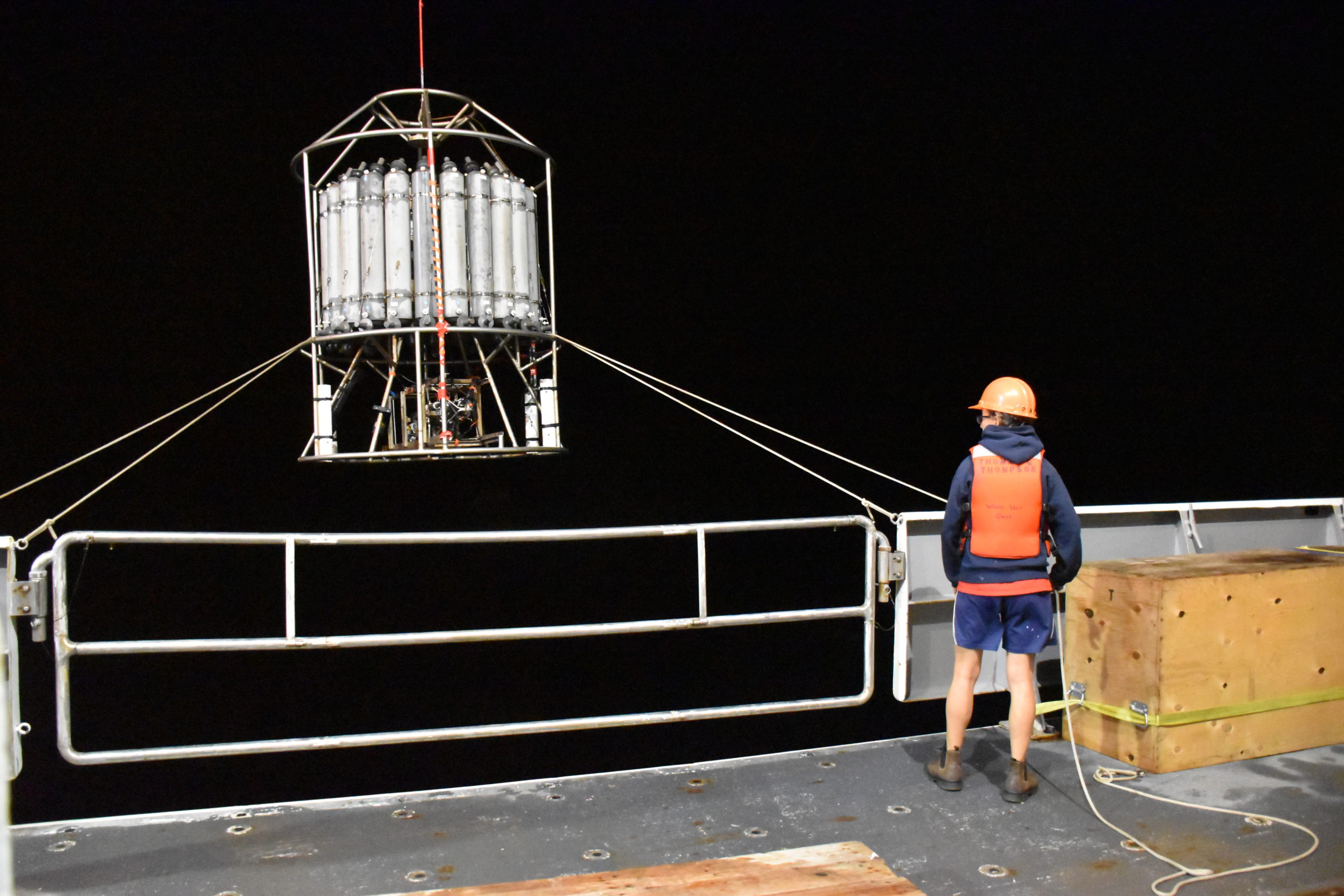
A CTD rosette hosting 24 Niskin bottles filled with ocean water is about to be recovered onto the deck of the R/V Thompson. Credit: M. Elend, University of Washington, V22.
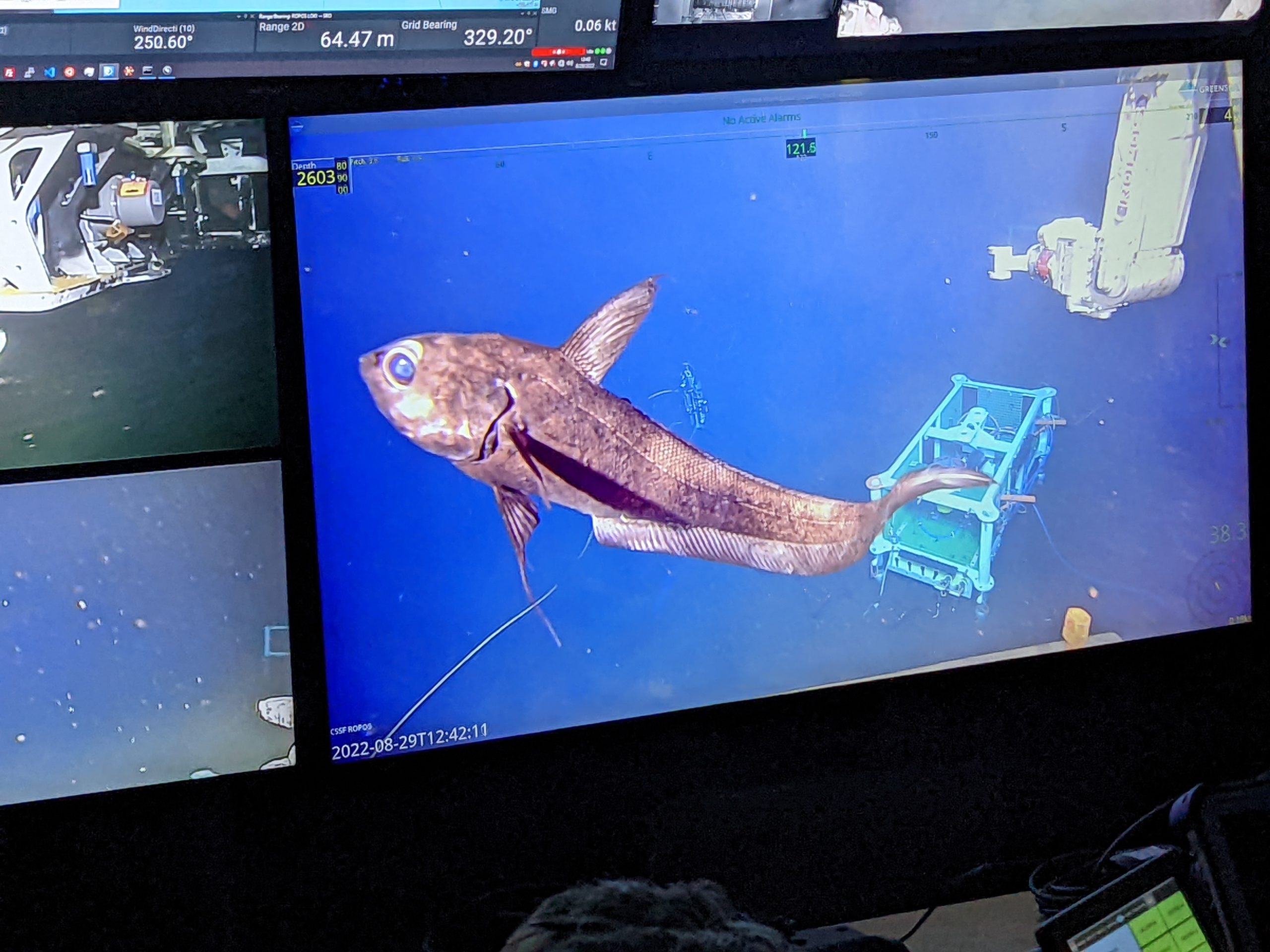
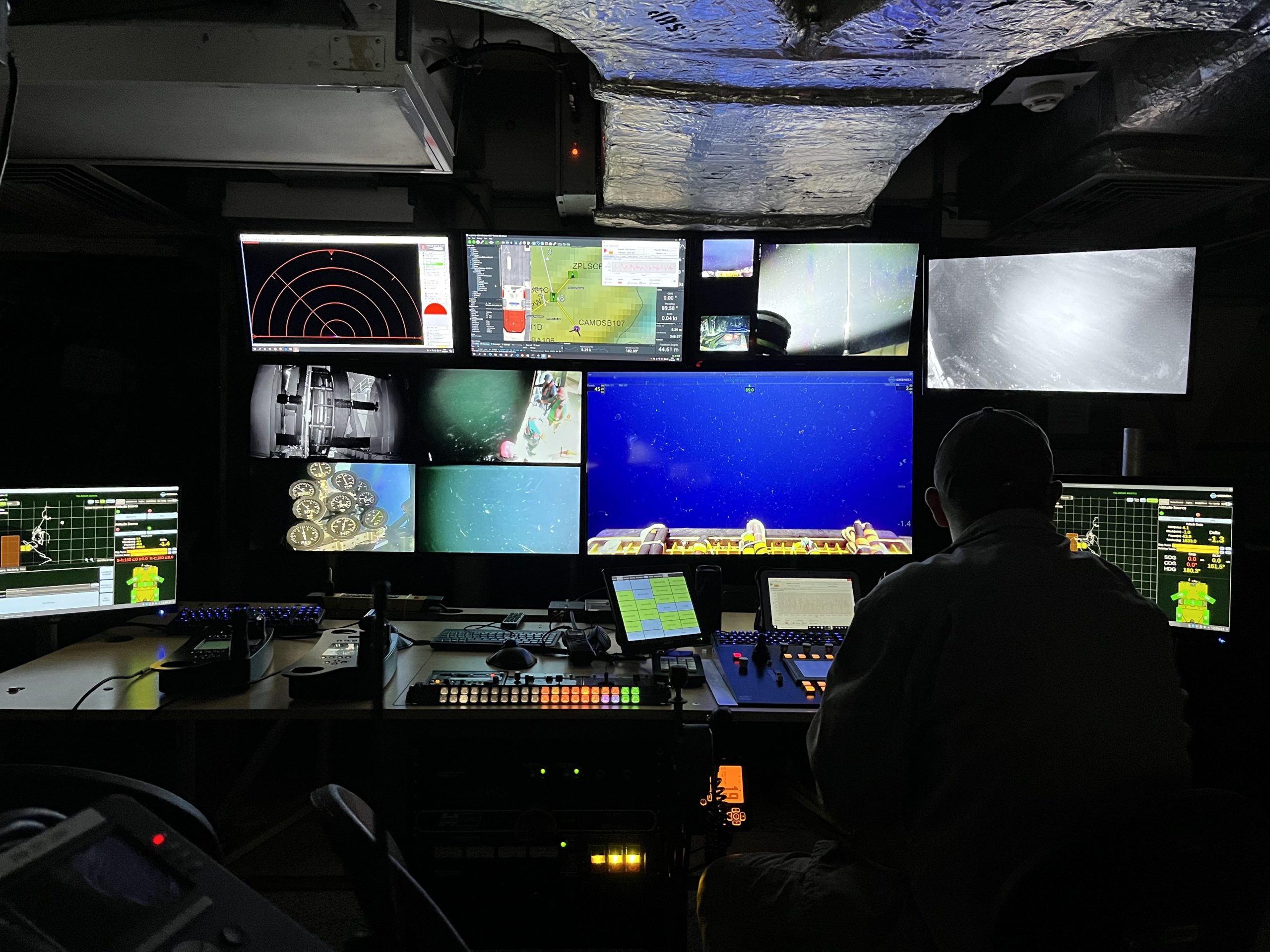
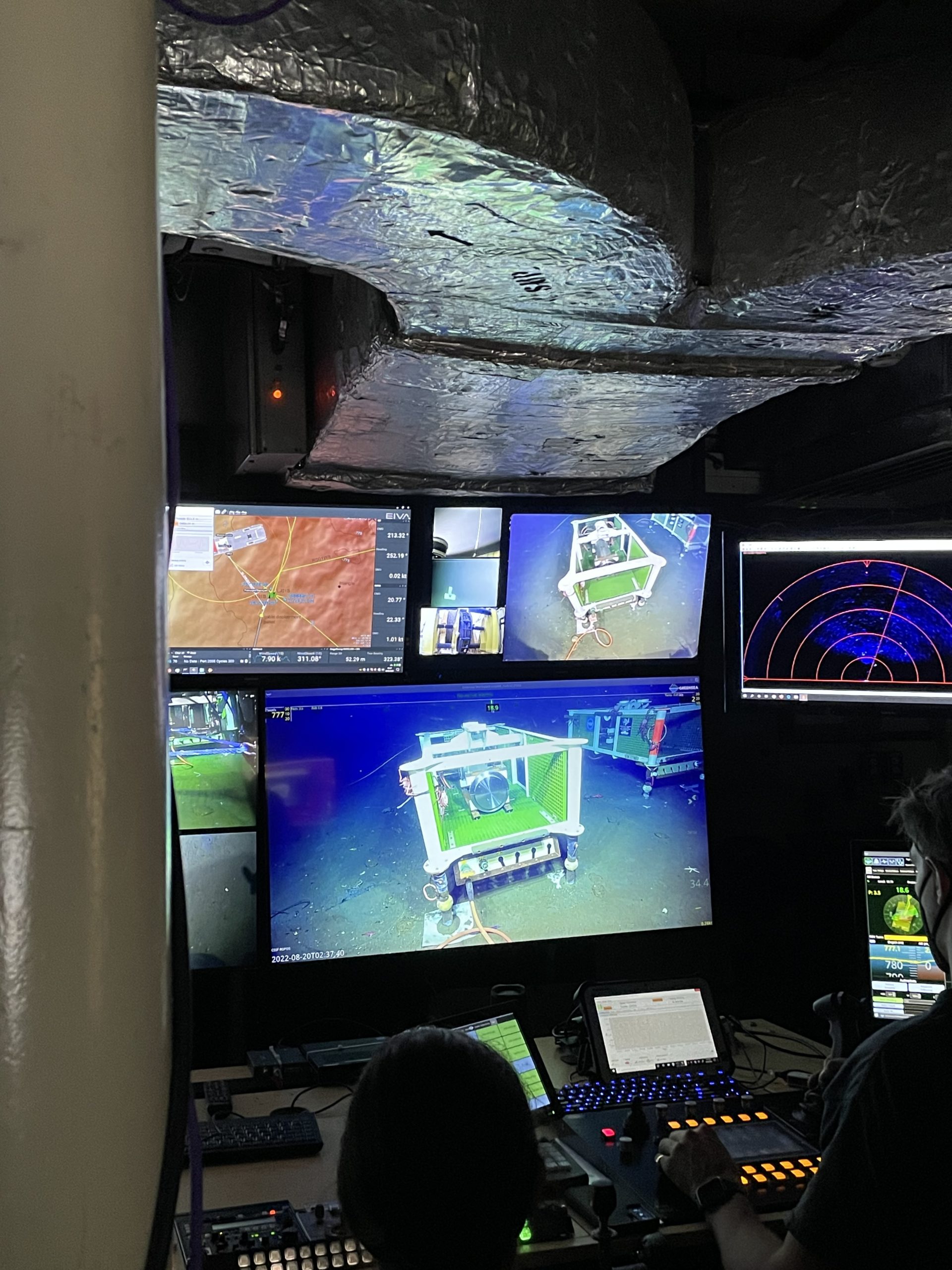
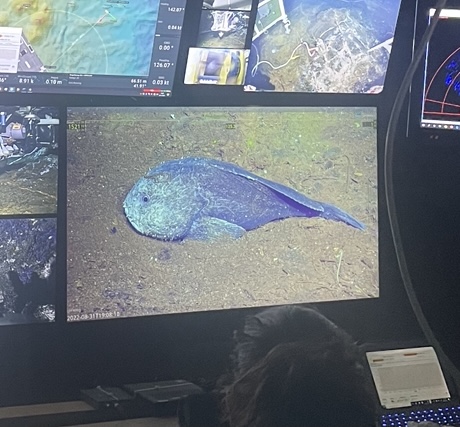
ROPOS control room seeing the old LV01B secondary node on the screen. Credit: G. Diephuis, University of Washington, V22.
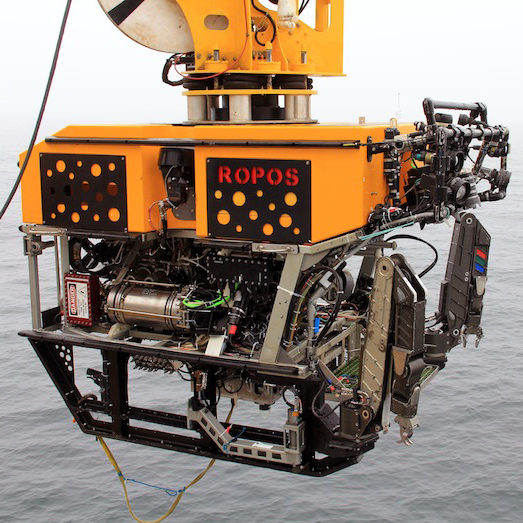
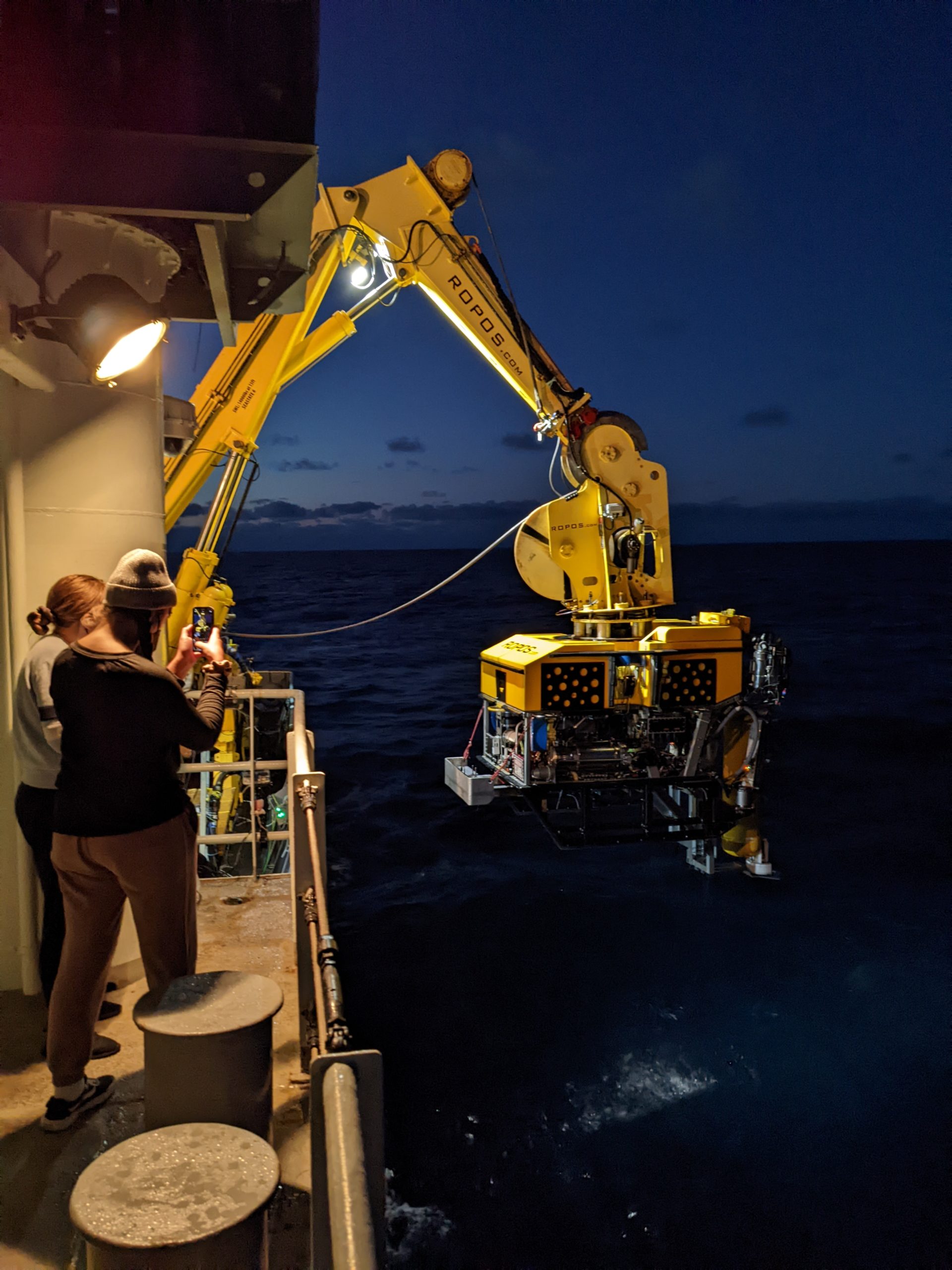
ROPOS making the connection between the extension cable from Primary Node PN1B and Southern Hydrate Ridge - allowing this site to go live again. Credit: UW/NSF-OOI/CSSF; V22.
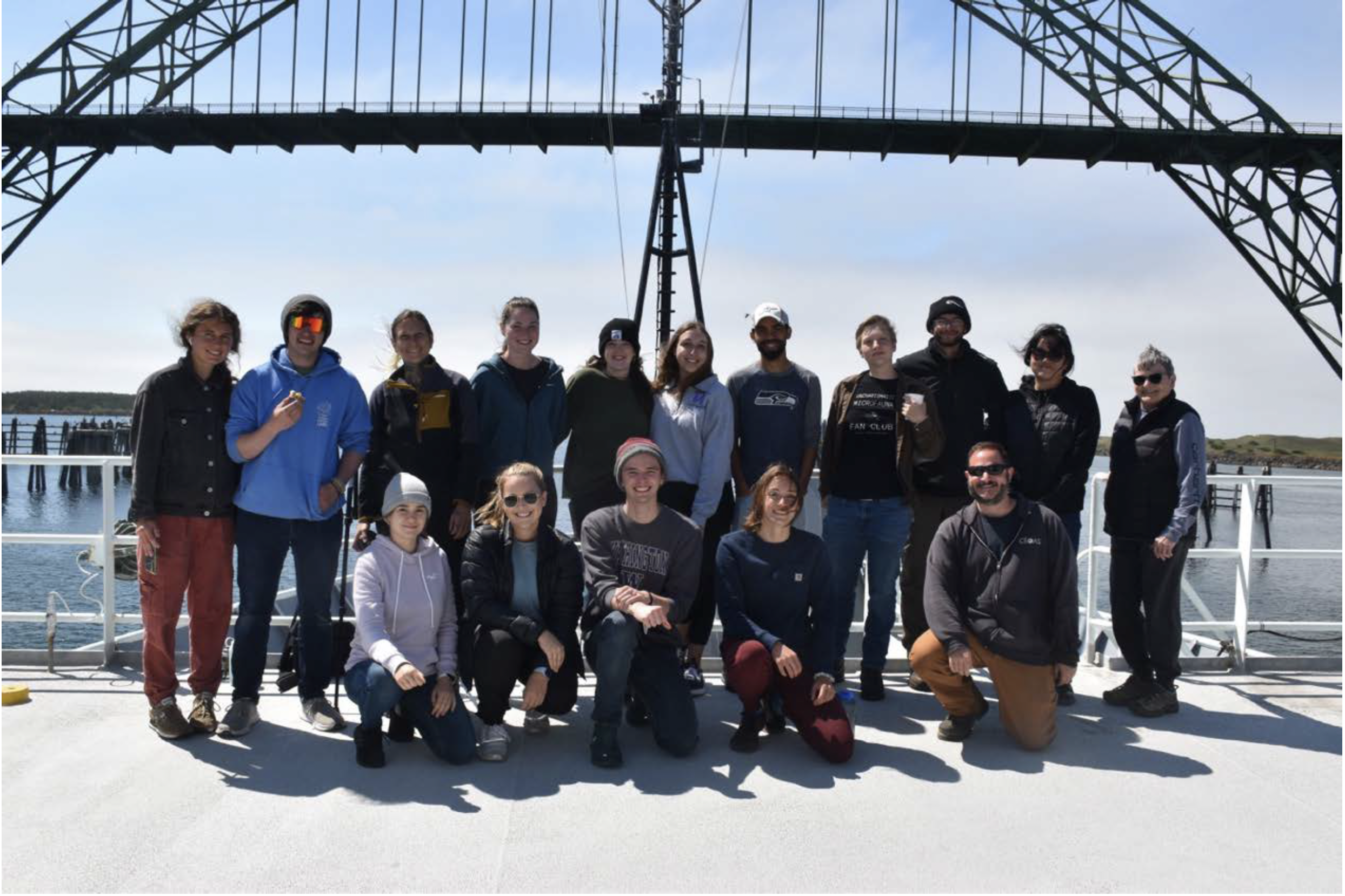
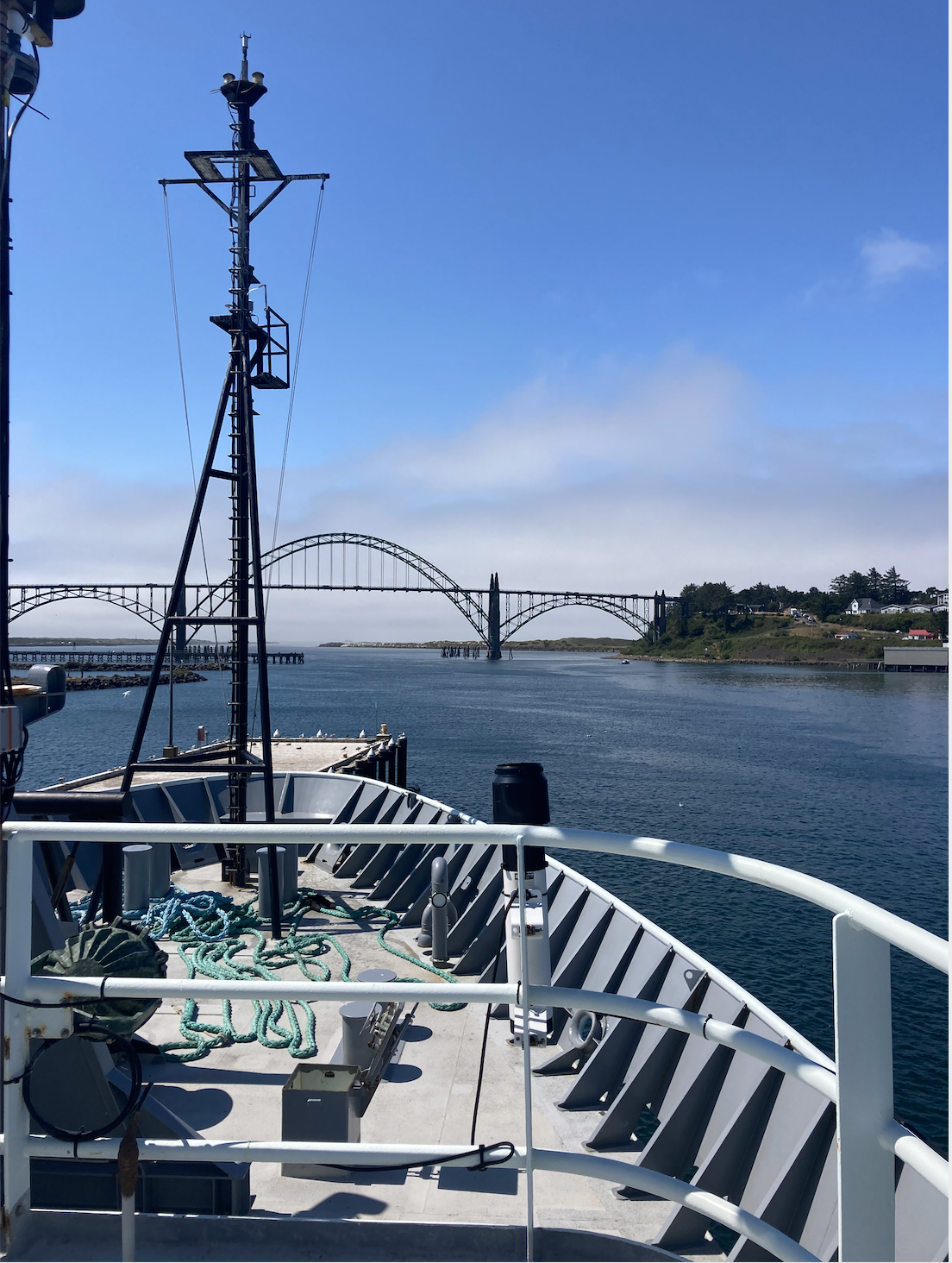
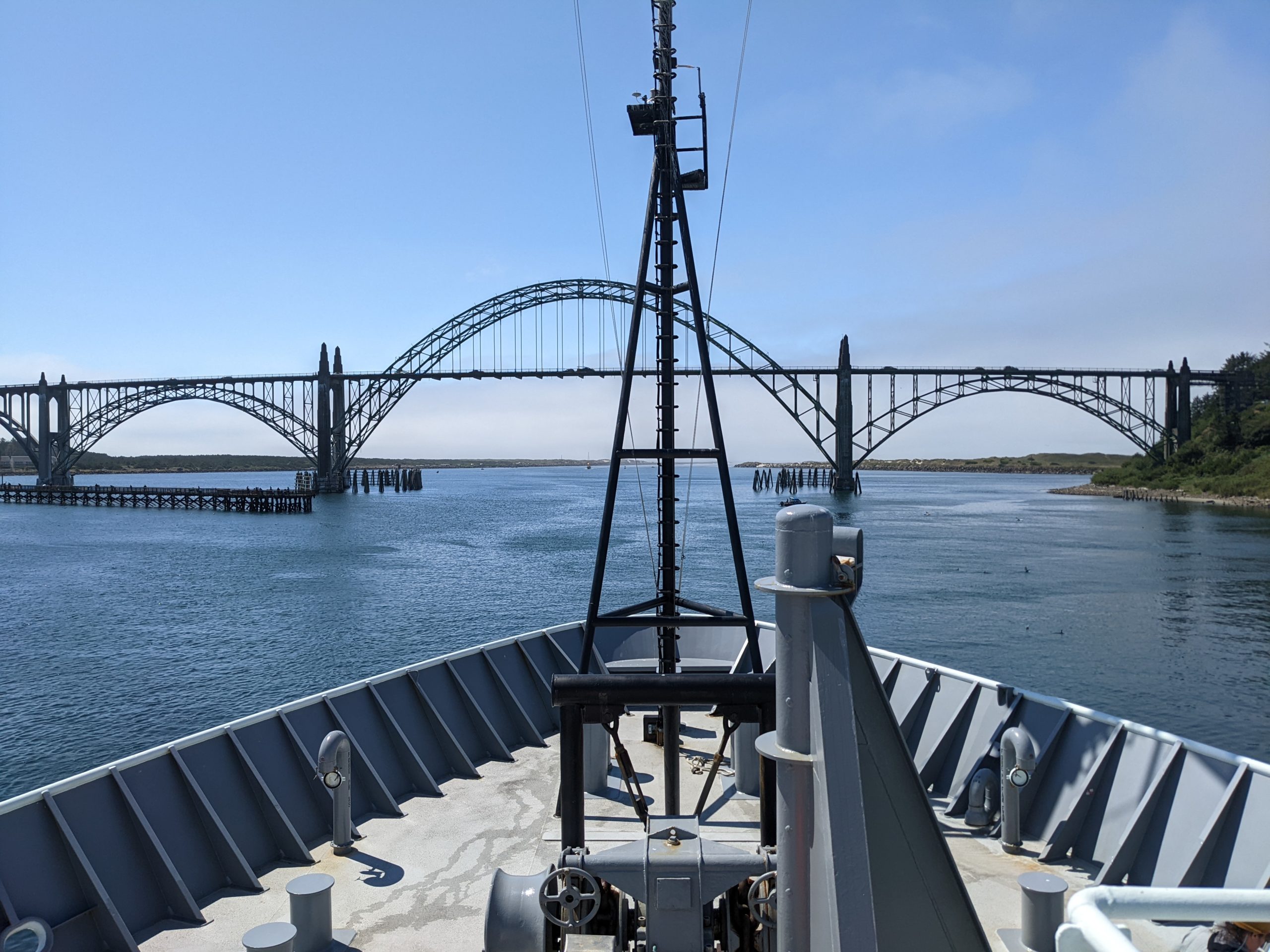
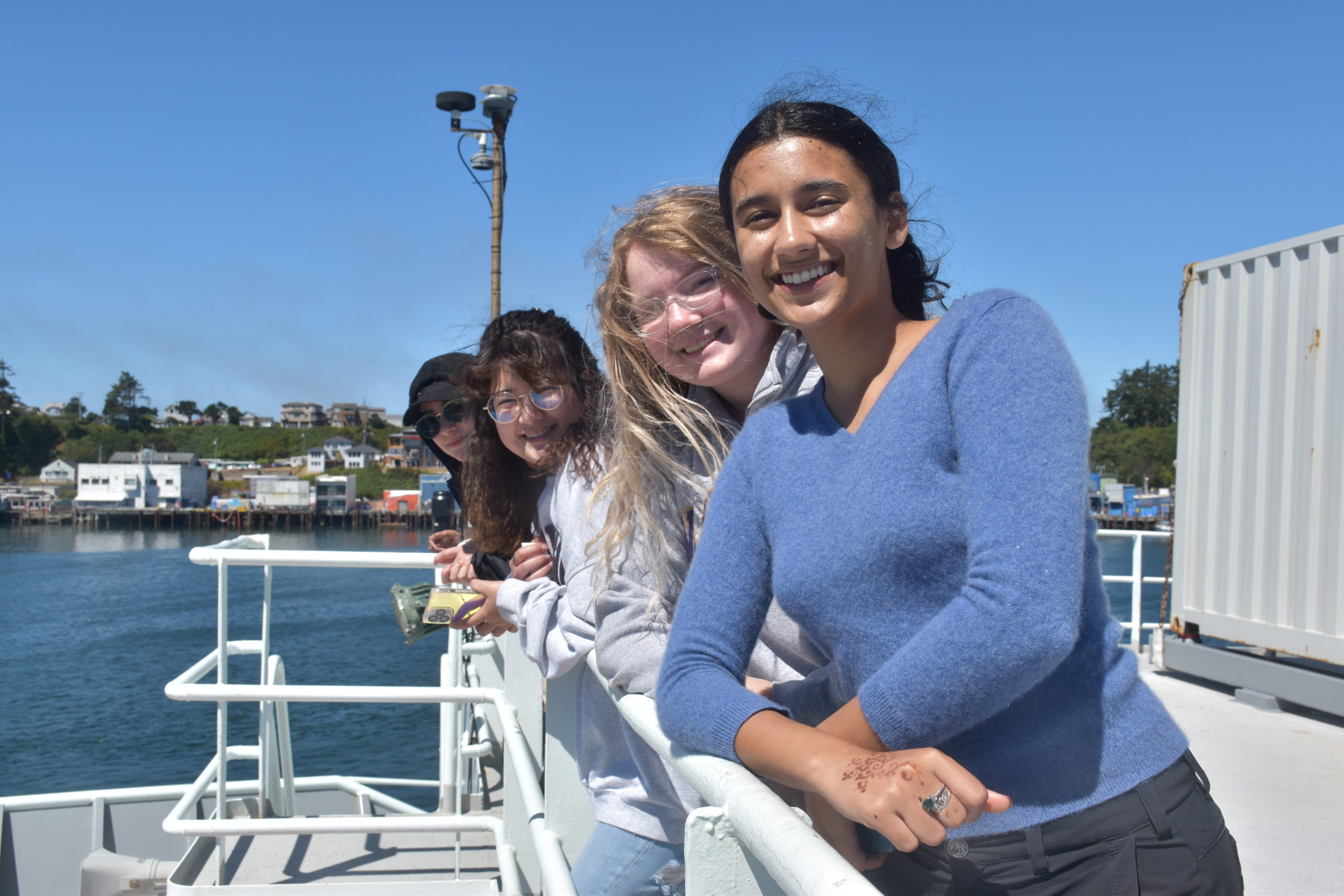
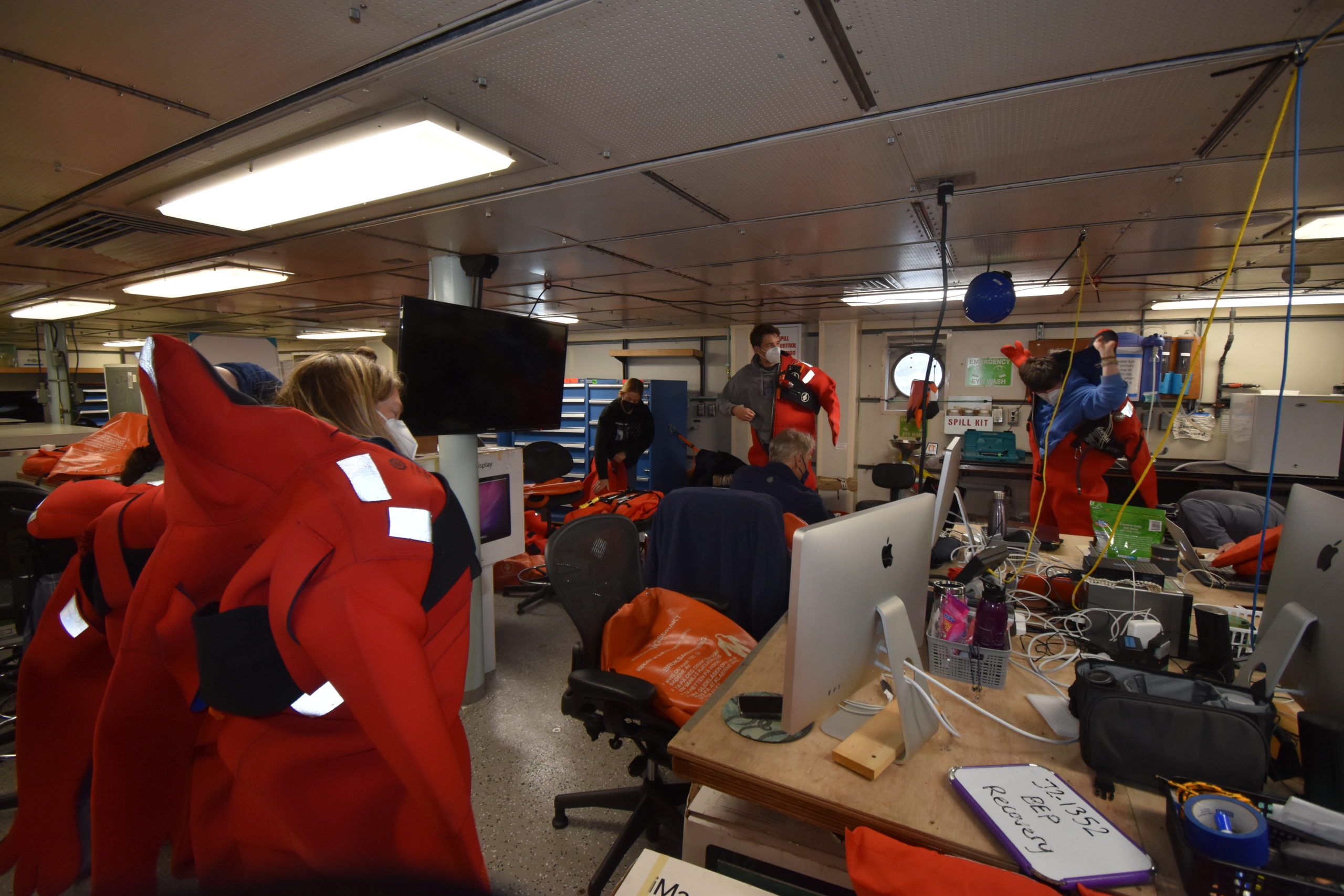
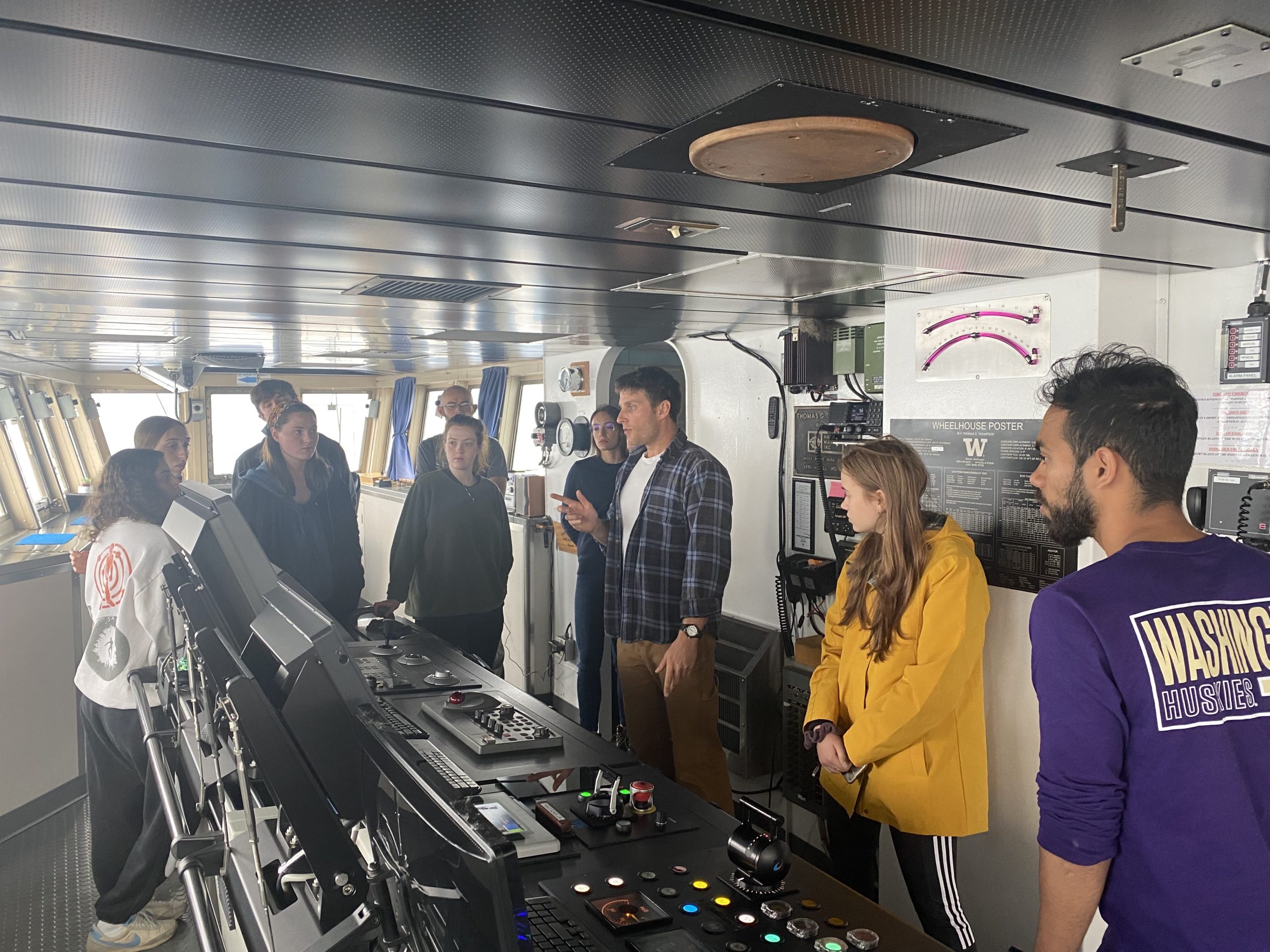
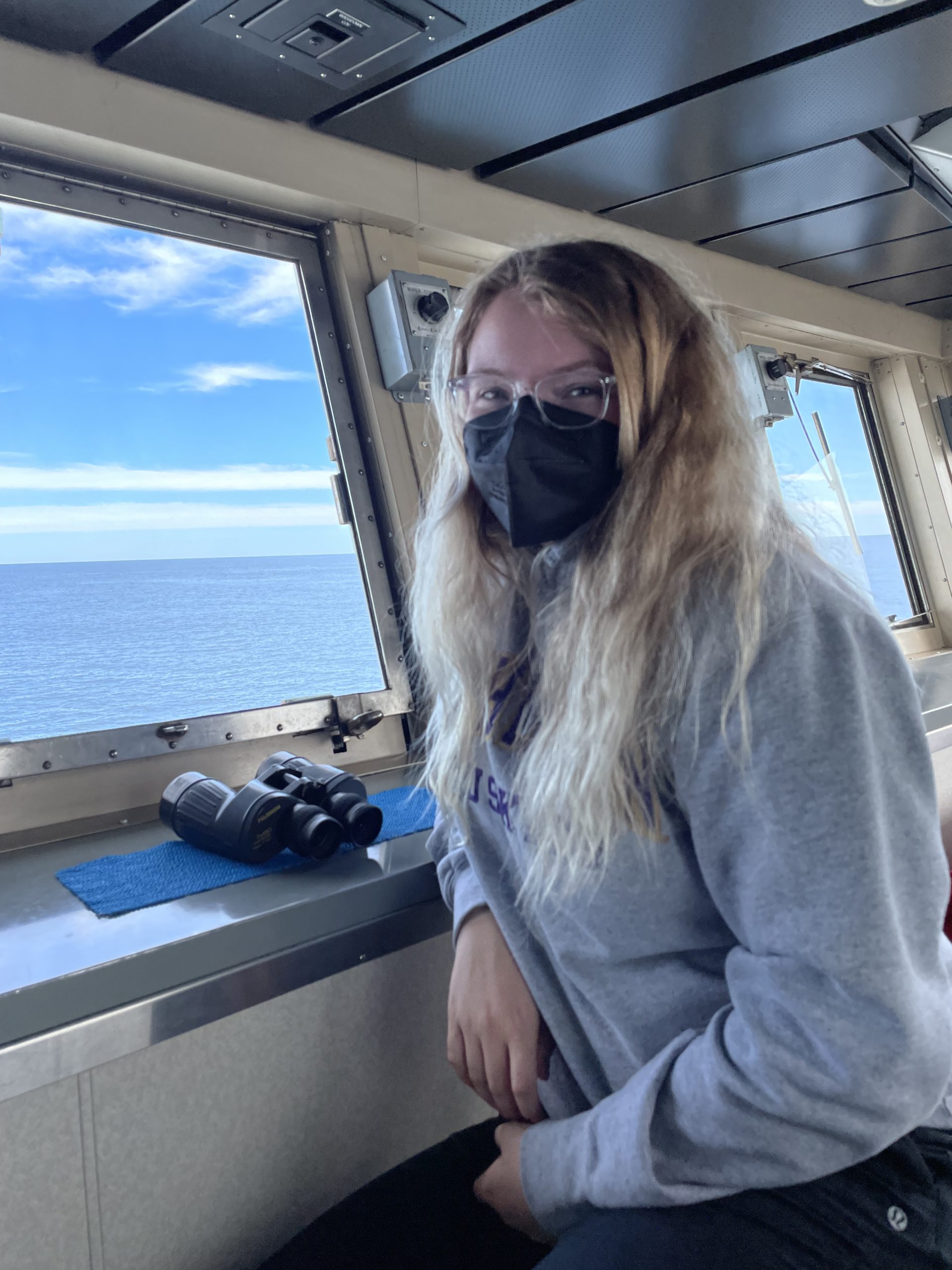
VISIONS students on Leg 1 of the 2022 OOI RCA O&M cruise as the Thompson steams out of Newport. Credit: M. Elend, University of Washington, V22.
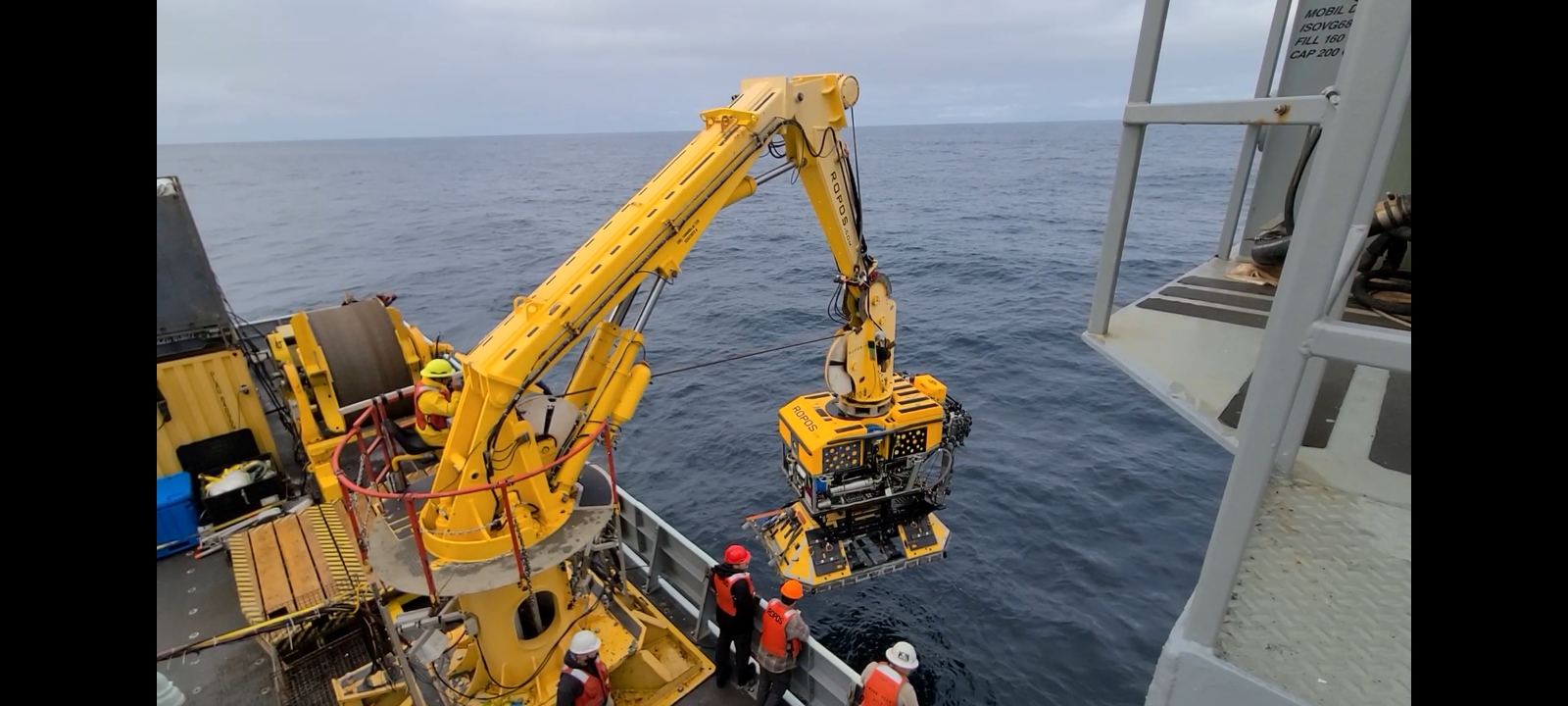
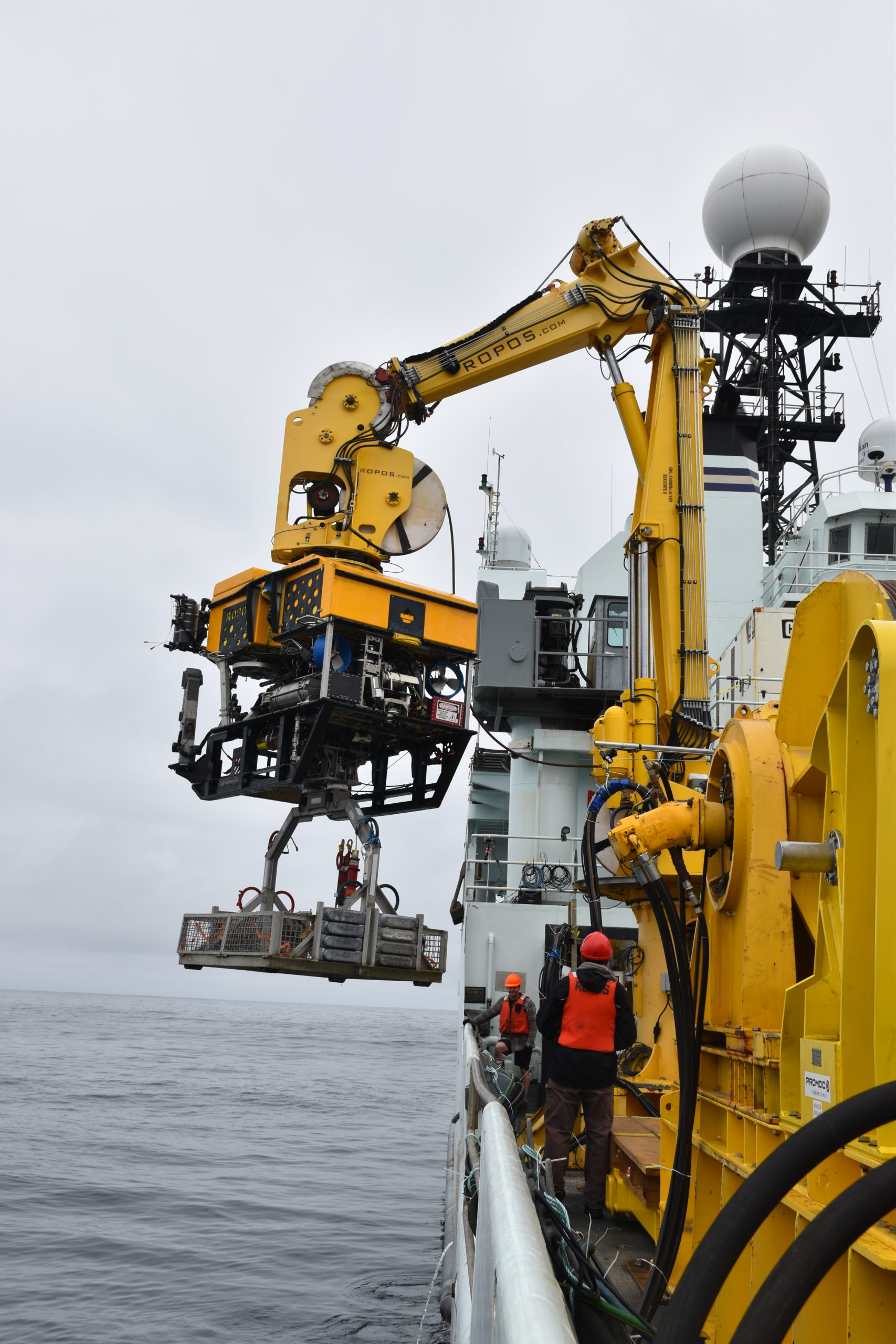
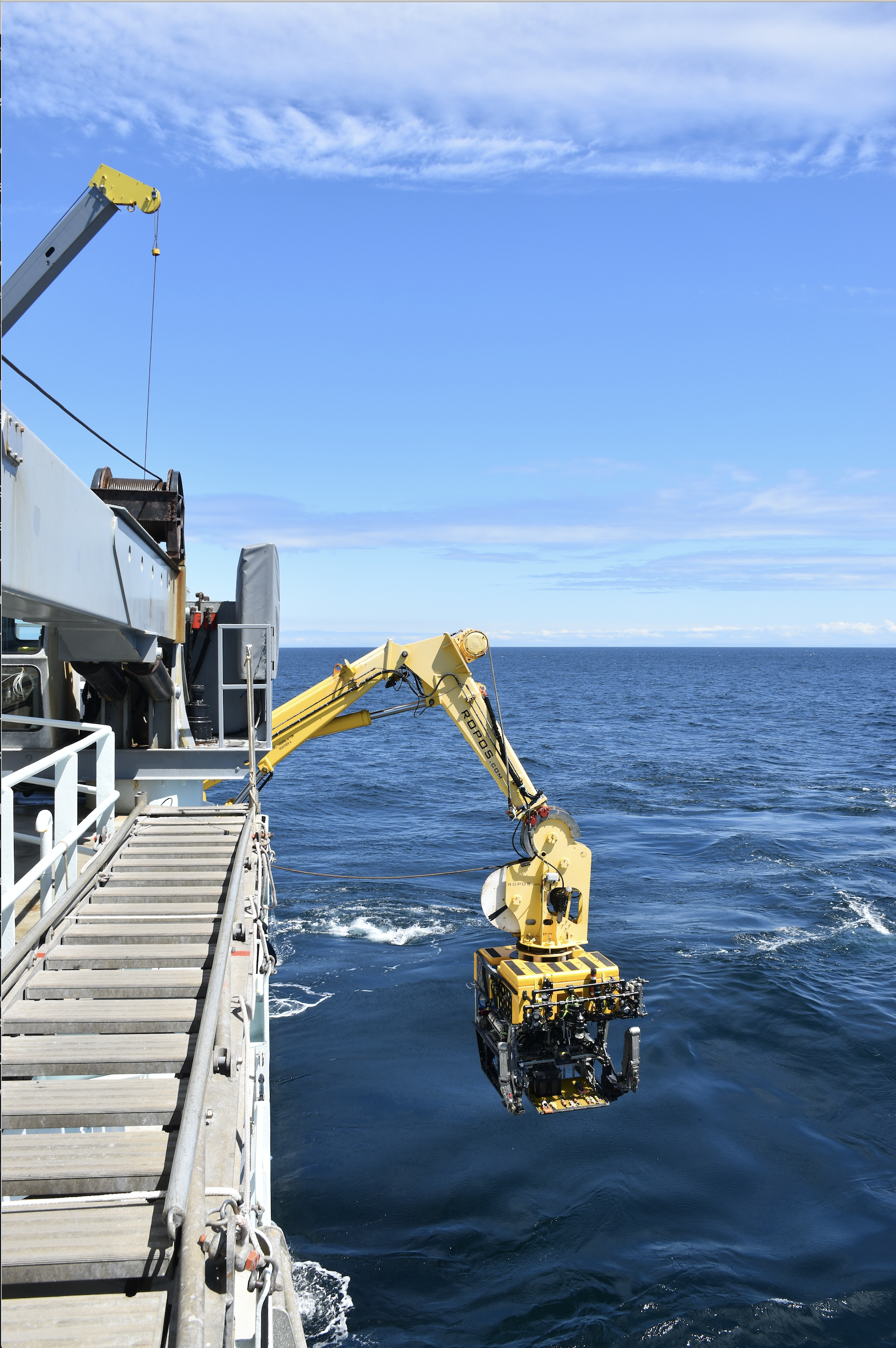
A 19,000 lb water bag is used to test ROPOS LARS handling system at the start of Leg 1 of the Regional Cabled Array cruise. Credit: M. Elend, University of Washington; V22.
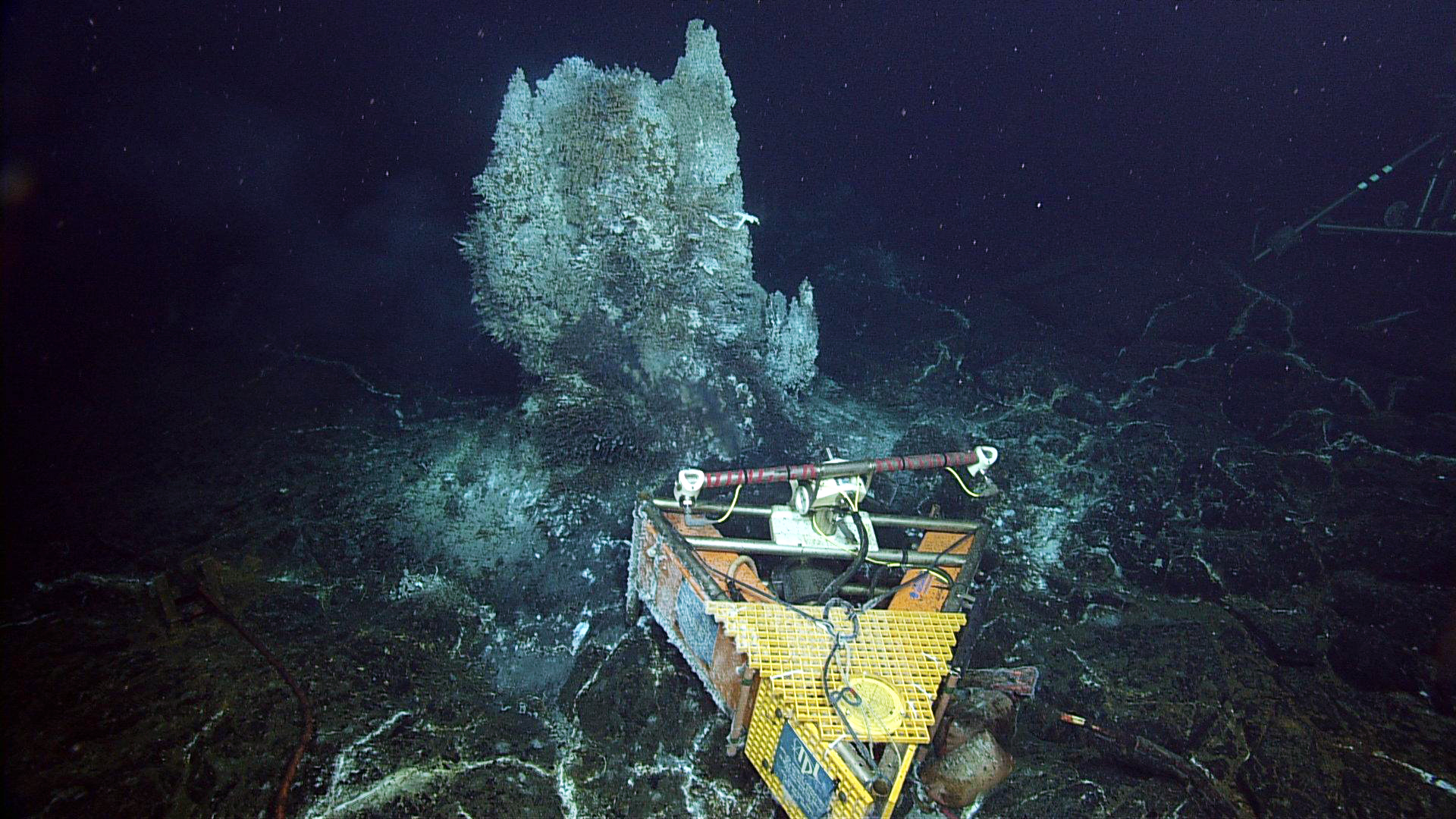
A top view of El Guapo, a black smoker, from ROPOS. Credit: C. Flaim, University of Washington, V22.
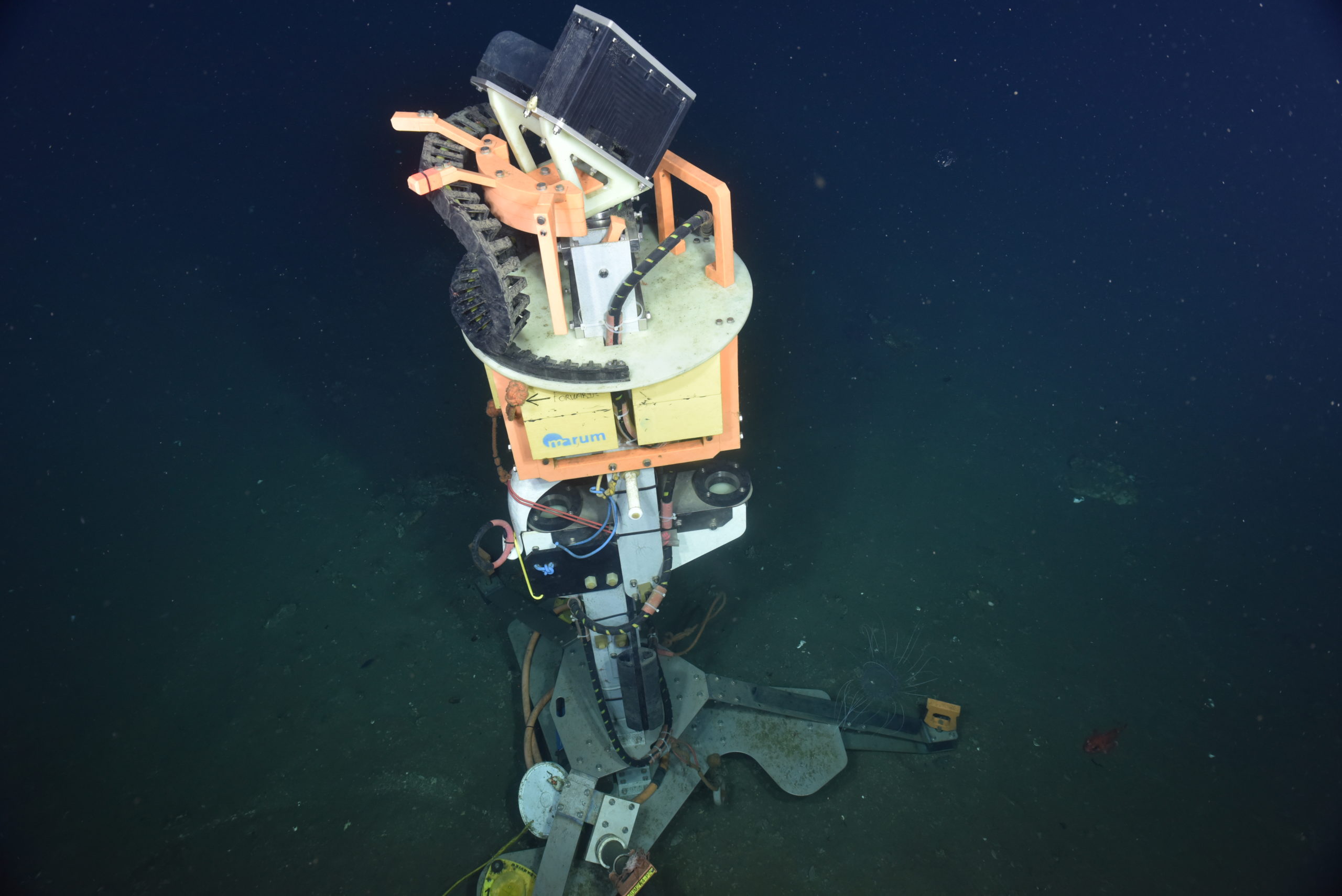
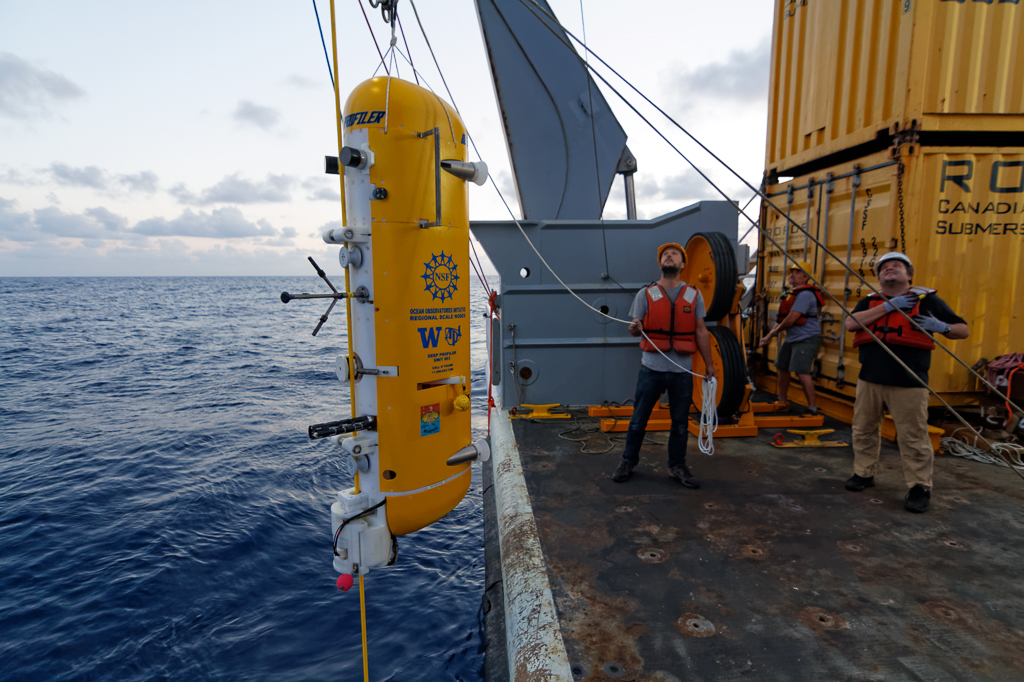
A Deep Profiler sensor installed to the cable during the visions 14 cruise. Photo Credit: Ed McNichol, © 2014 Mumbian Enterprises, Inc., University of Washington. V14.