


Each summer, an extraordinary scientific expedition heads into the Northeast Pacific to maintain one of the world’s most advanced underwater ocean observatories. We invite you to follow along as the University of Washington’s Regional Cabled Array (RCA) team returns to sea for its annual Operations and Maintenance expedition, part of the National Science Foundation’s (NSF) Ocean Observatories Initiative. Join us as we share streaming of live video of the deep sea and remarkable seascapes off our coast.
After a year of planning, engineering, and preparation, we’re ready to deploy a remarkable suite of refreshed instruments and seafloor infrastructure that will replace equipment that has served the observatory over the past year. Every dive, lift, and installation helps keep this unique ocean observatory operating around the clock, providing scientists with invaluable data about earthquakes, volcanoes, marine ecosystems, and our changing ocean.
The RCA expedition is a fast-paced, highly coordinated operation that brings together expertise from across the country. We’ll sail aboard the NSF-funded global-class research vessel R/V Roger Revelle, operated by Scripps Institution of Oceanography, hosting the remotely operated vehicle (ROV) Jason team from Woods Hole Oceanographic Institution. This collaboration between three leading research institutions is made possible through NSF support and demonstrates a shared commitment to ocean discovery.
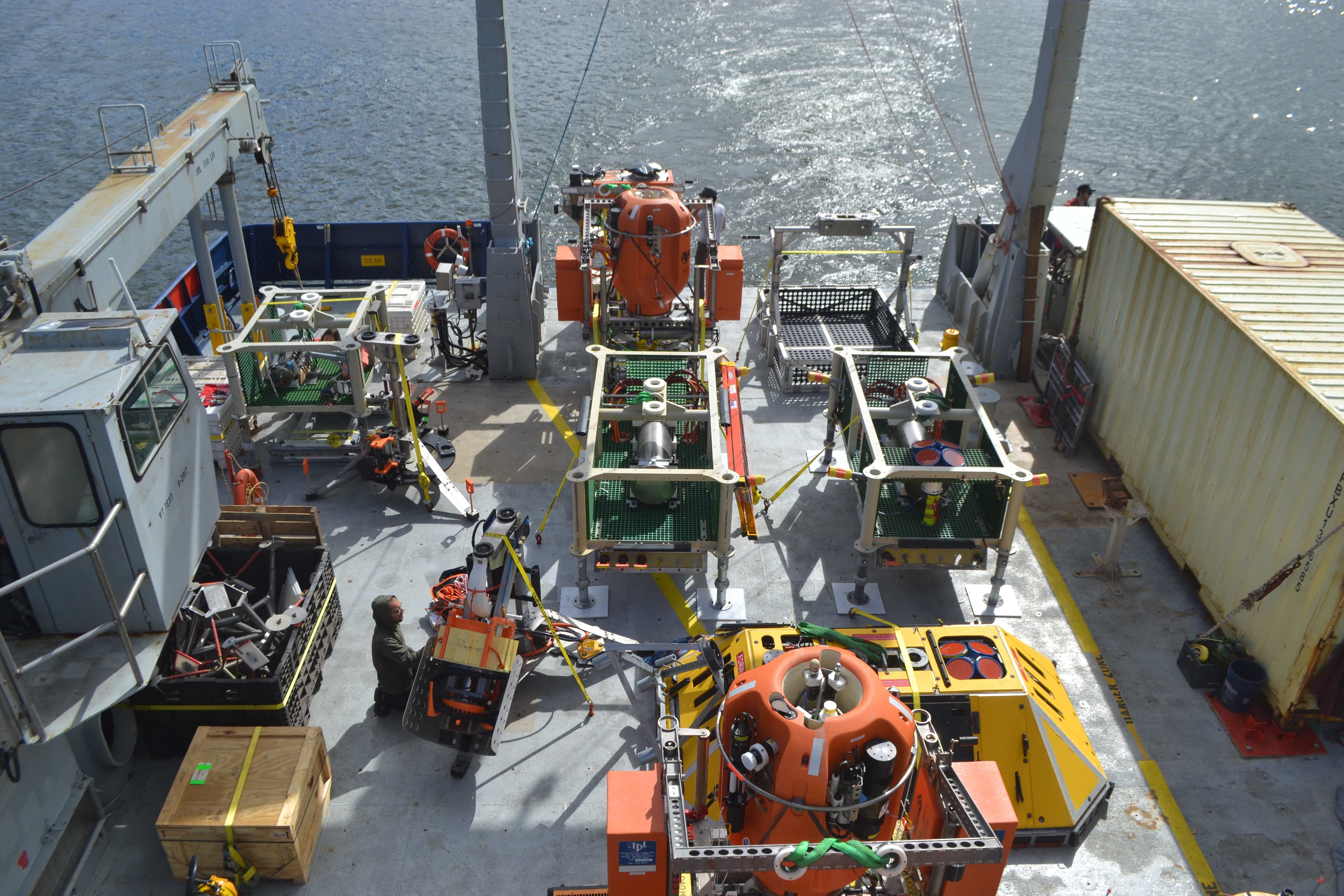
The scale of the expedition is impressive. Beginning August 5, more than 230,000 pounds of scientific equipment will be loaded aboard the Revelle at NOAA’s Marine Operations Center in Newport, Oregon. Over four days, scientists, engineers, and technicians will carefully secure, organize, and test the equipment needed for nearly three weeks of research at sea.
Joining the expedition will be 14 RCA scientists and engineers, along with six undergraduate and two graduate students experiencing this type of oceanographic research for the first time. They are participating in the VISIONS experiential learning program, which has introduced more than 250 undergraduate students to life aboard a research vessel. For many, this voyage marks the beginning of a career in ocean science—and an experience they will never forget.
By August 8, every laboratory aboard the ship will be transformed into a bustling workspace. Computers, communications systems, video equipment, analytical instruments, sampling gear, tools, and supplies will all be mobilized shipboard and secured. Before the ship leaves port, every item must be safely stowed to withstand the motion of the open ocean, which for this cruise means 20 or so minutes from leaving port.
Safety is always the highest priority. Before departure, everyone on board completes safety training, including emergency drills, doning of immersion suits, and instruction on safe operations both on deck and in the laboratories.
On the morning of August 9, the R/V Roger Revelle will depart Newport and head toward its first destination: the Oregon Shelf, just an hour offshore. There, the team will launch its first ROV dive of the 2026 field season, marking the beginning of another exciting chapter in maintaining this extraordinary underwater observatory and exploring the deep.

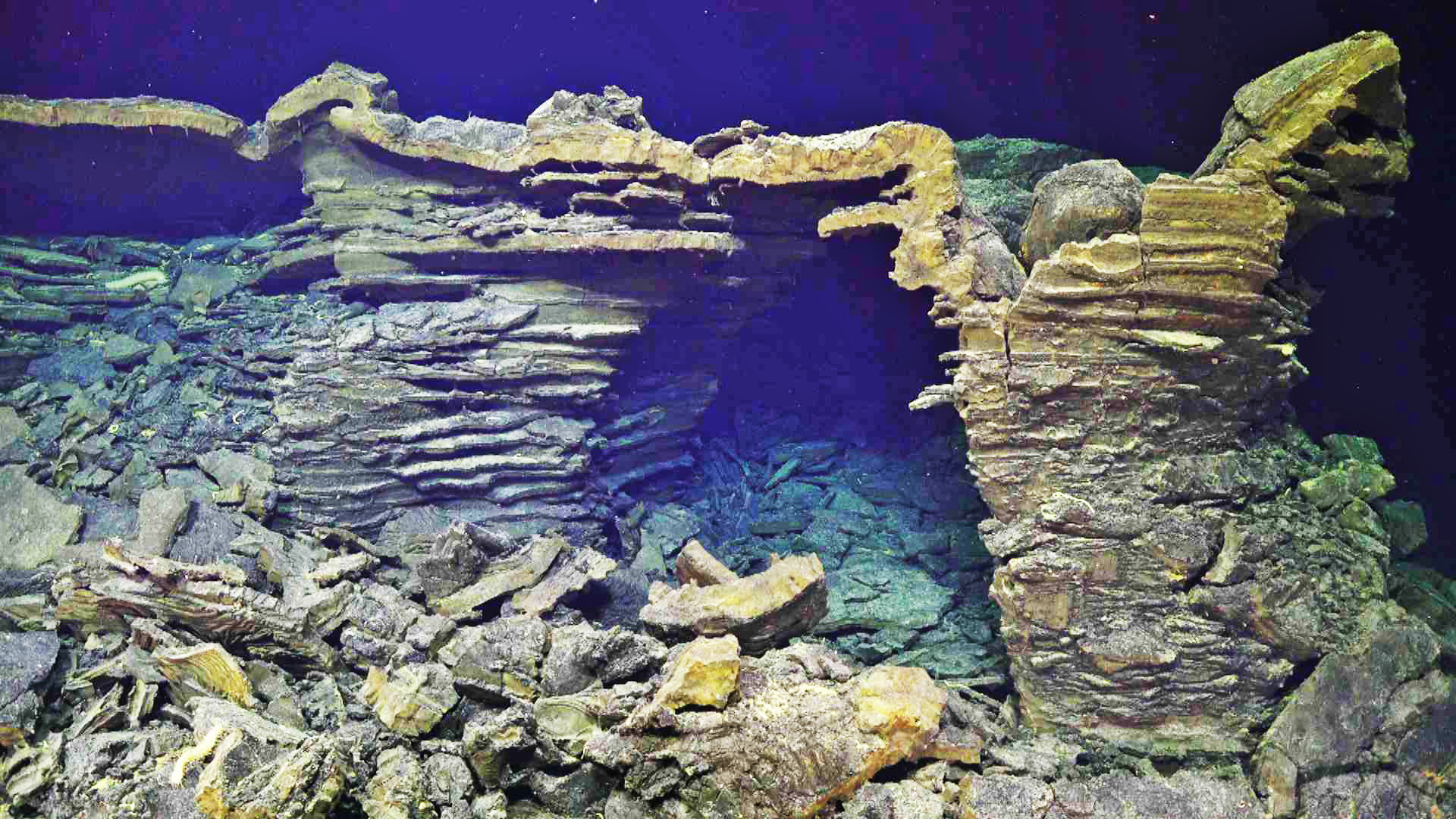
During this journey, witnessed through the eyes of Jason, we will see amazing volcanic landscapes and strange life that thrives around hydrothermal vents a mile beneath the ocean’s surface at the summit of Axial Seamount. We will also observe jets of methane issuing the seafloor at Southern Hydrate Ridge. Here, fluids seeping from the seafloor support acres of bacterial mats, clams that contain hemoglobin, and a rich diversity of fish. Fifty miles to the west, at a water depth of 9500 feet, the ROV will likely be visited by our long time “friends” fondly called weird fish (Genioliparis ferox), which were first described off of Antarctica, but filmed for the first time in 2011 during an RCA cruise.
We hope you’ll join us as we share discoveries, behind-the-scenes stories, and life at sea throughout the expedition – welcome aboard.