Image Archive


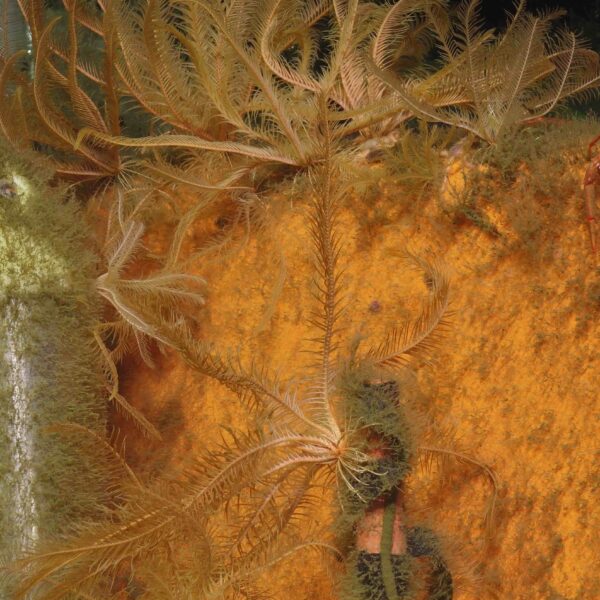
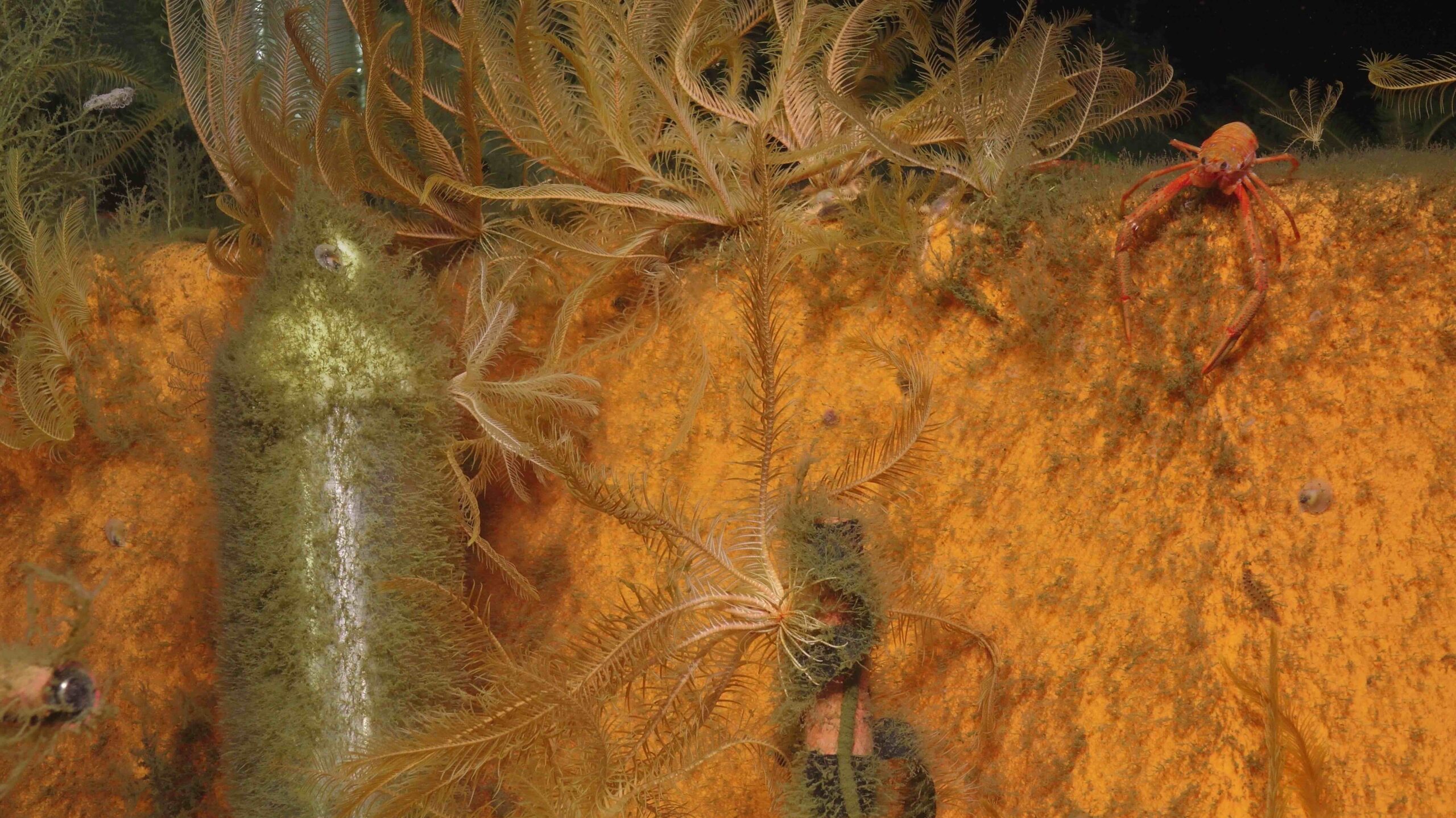
A pink squat lobster peeks at the ROV from the shelter of large feather stars (unstalked crinoids) and other organisms growing on the Axial Base profiler platform. Credit: UW/NSF-OOI/WHOI; J2-1791, V26.
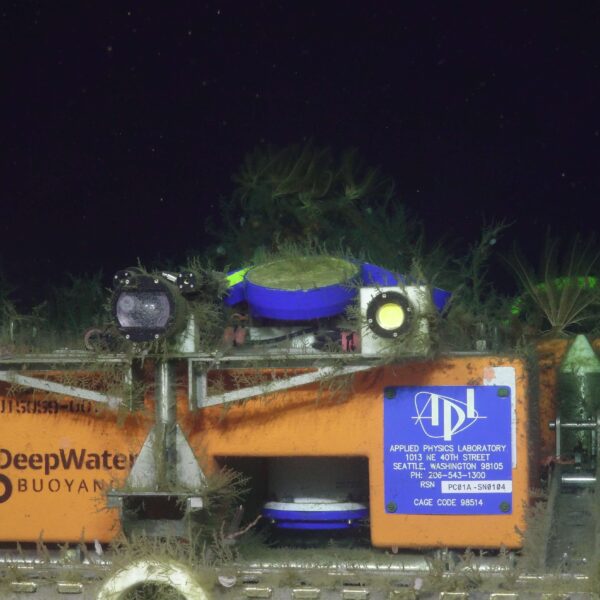
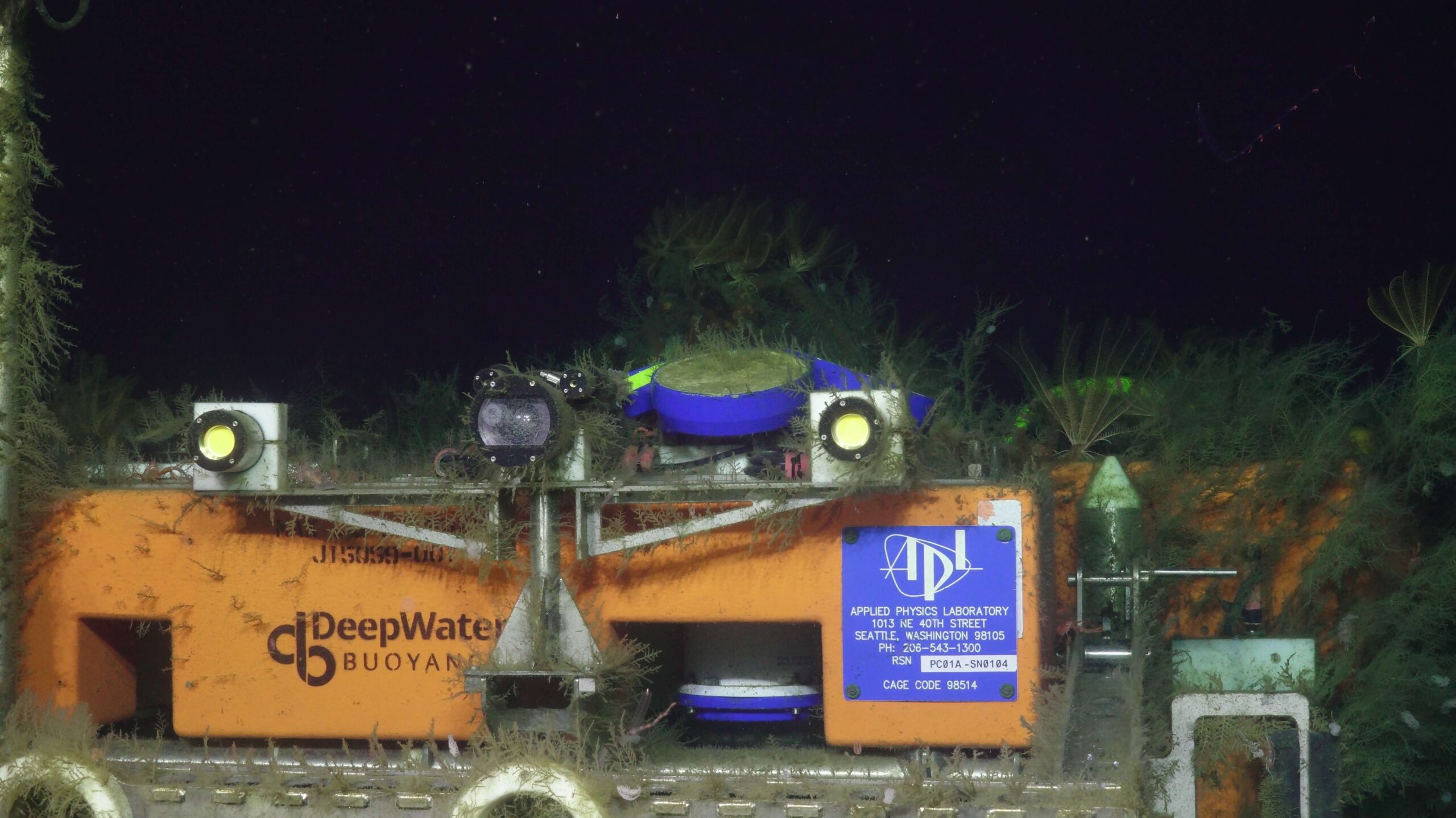
Feathery bryozoans, crinoids, nudibranchs, and other organisms encrusting the Axial Base profiler platform and camera. Credit: UW/NSF-OOI/WHOI; J2-1791, V26.
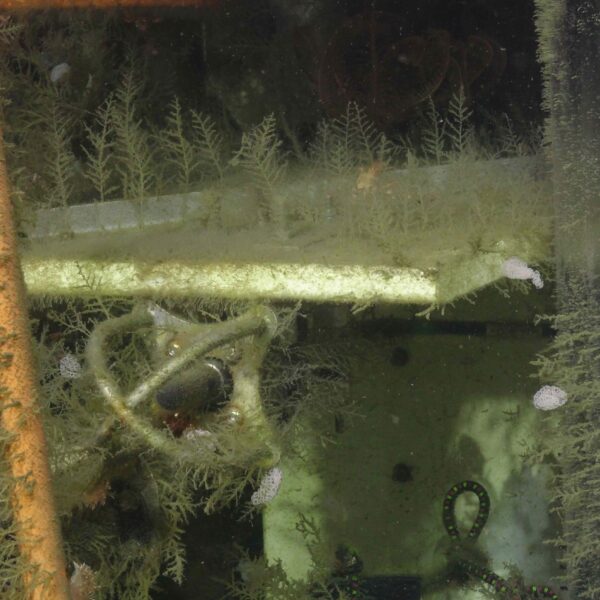
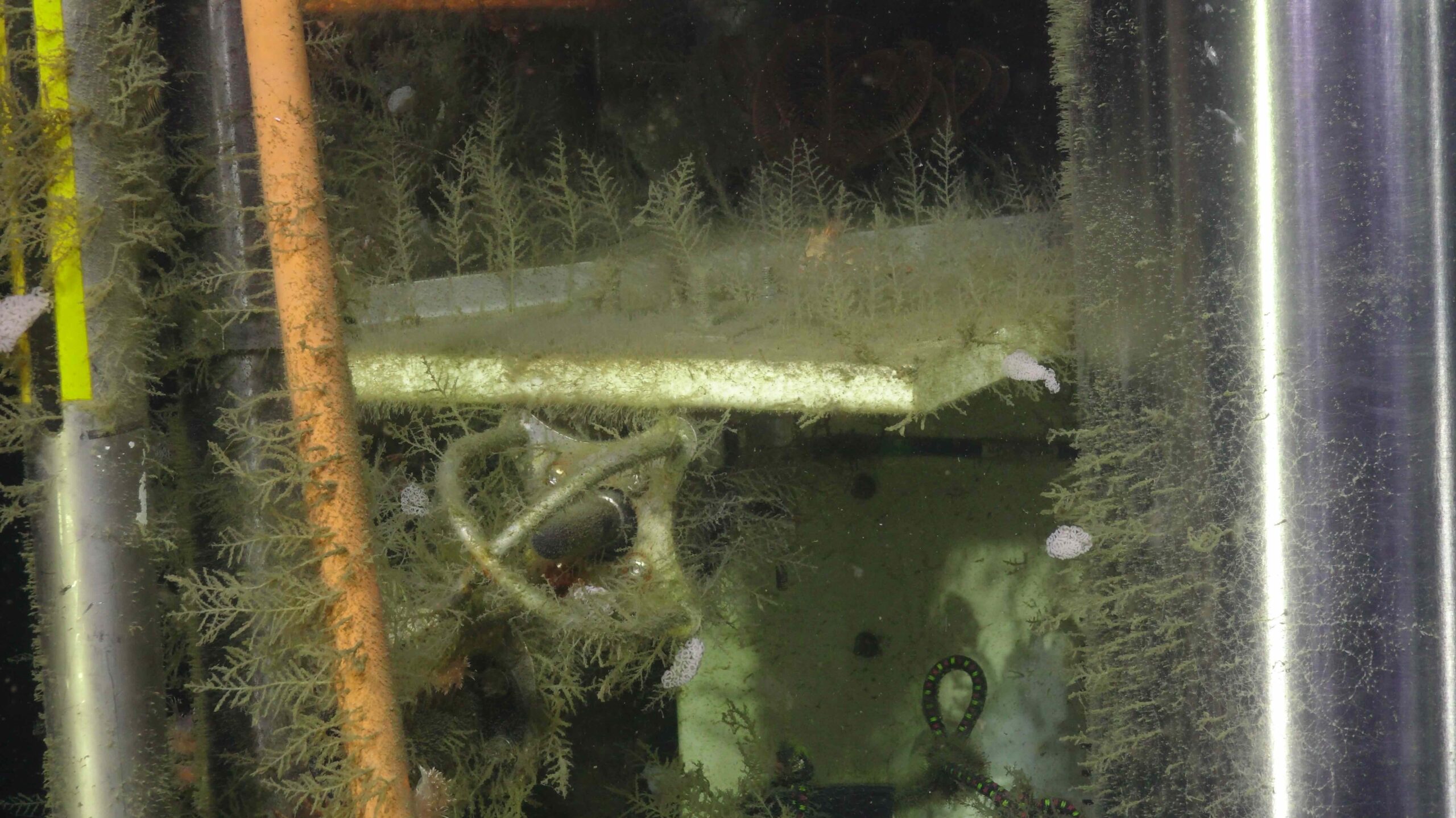
White clusters of nudibranch eggs hidden among bryozoans encrusting the Axial Base profiler platform. Credit: UW/NSF-OOI/WHOI; J2-1791, V26.
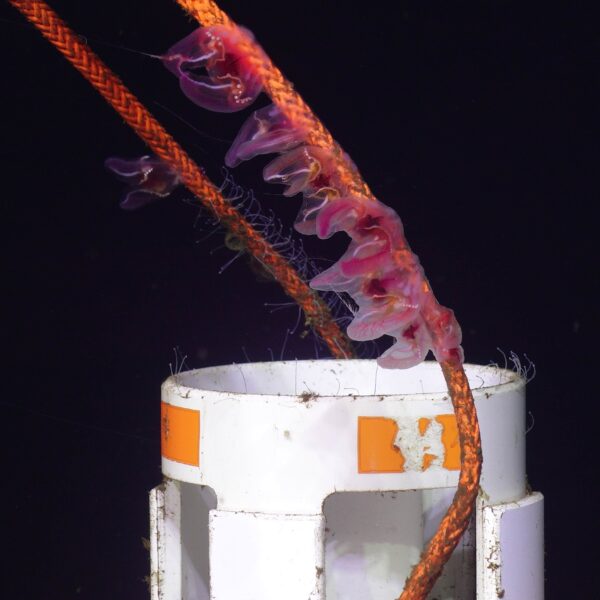
A cluster of flower-like benthic ctenophores (likely Tjalfiella species) growing on the loop of polypropylene line on top of the HPIES instrument at Axial Base (2700 m). Credit: UW/NSF-OOI/WHOI; J2-1790, V26.
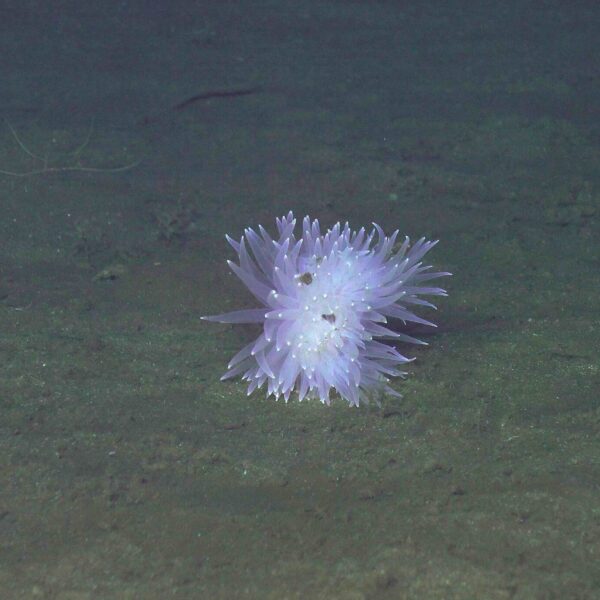
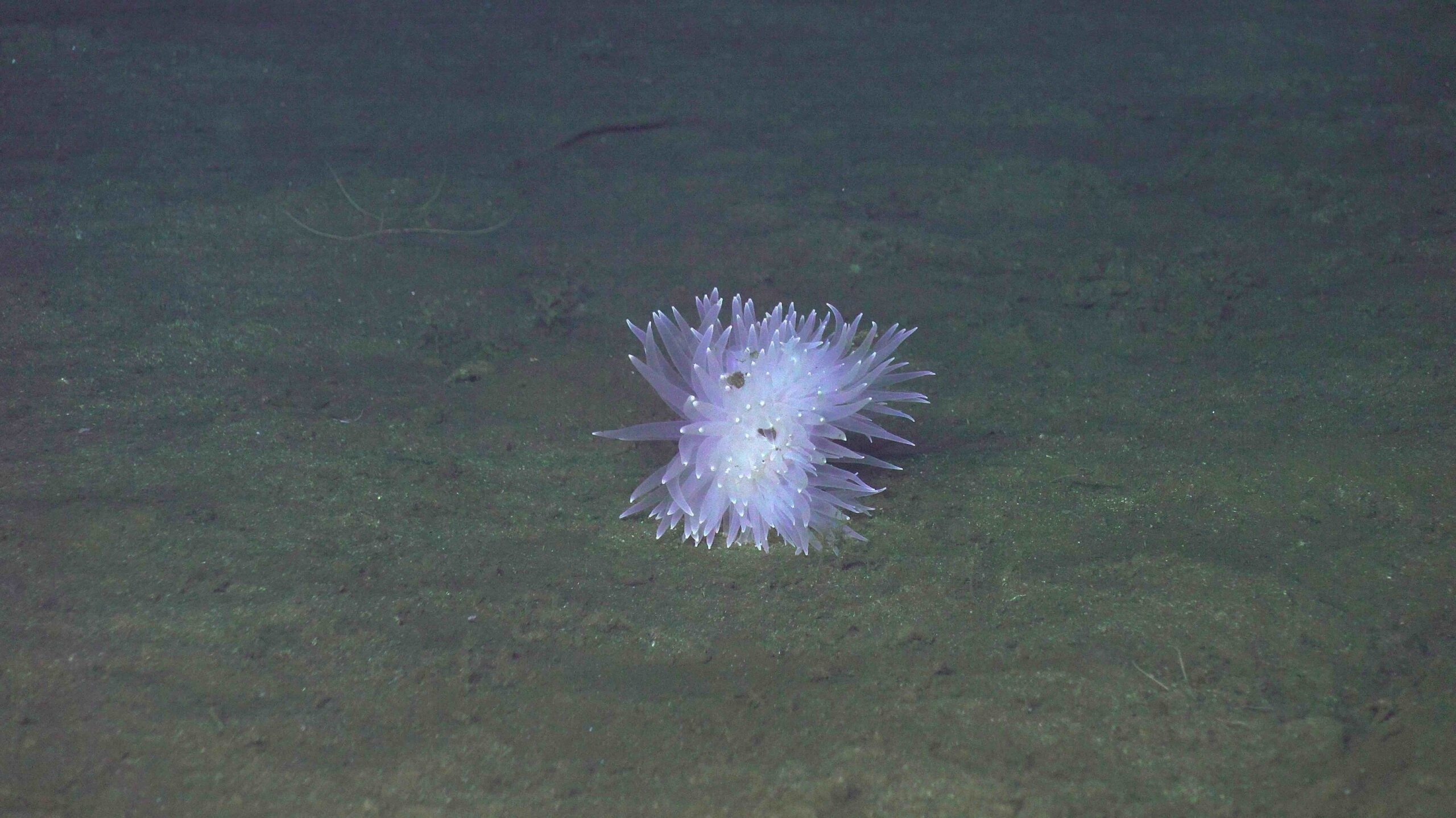
A small purple anemone sits in the sediment at the Axial Base site. Credit: UW/NSF-OOI/WHOI; J2-1790; V26.
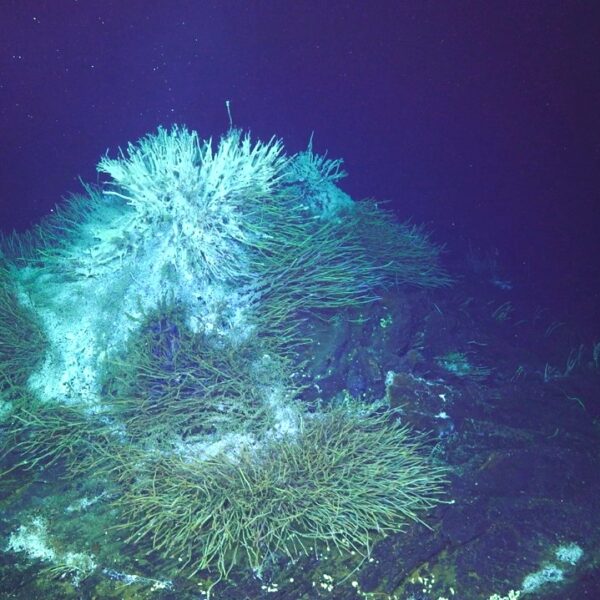
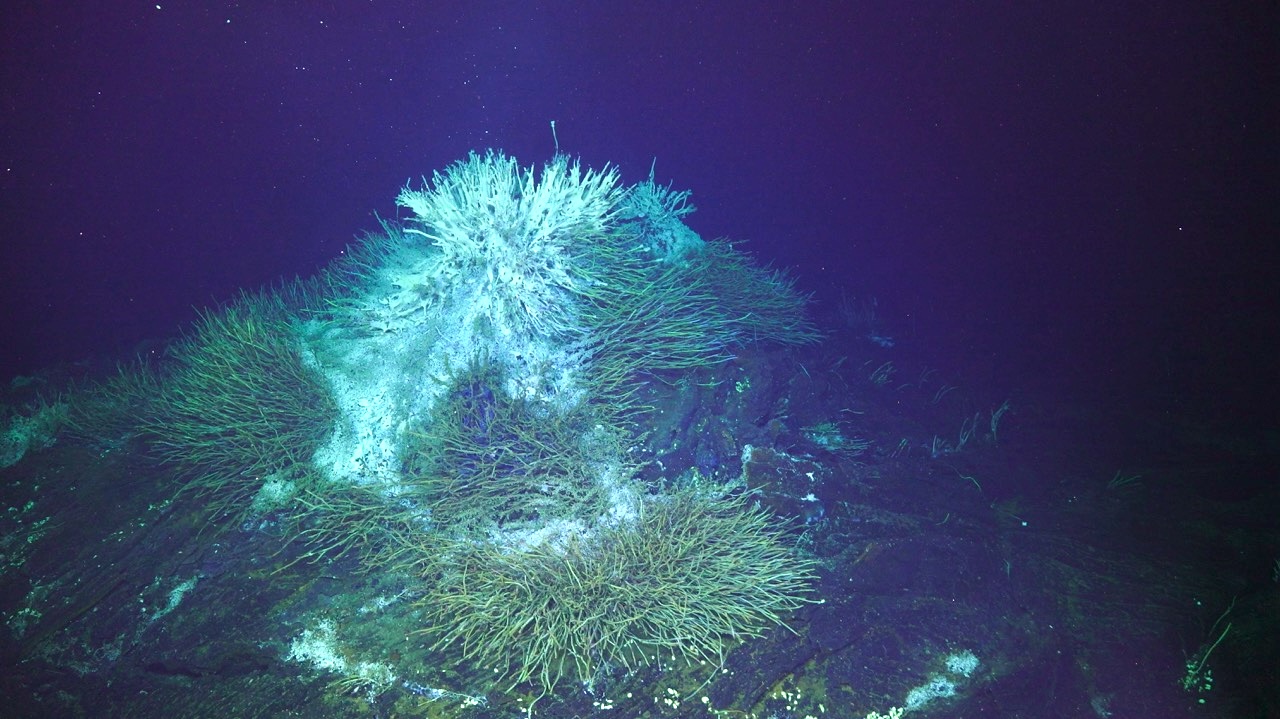
A basalt hill covered in skinny chemosynthetic tube worms and white bacterial mats at Axial Caldera International District Vent Field. Credit: UW/NSF-OOI/WHOI; J2-1788; V26.
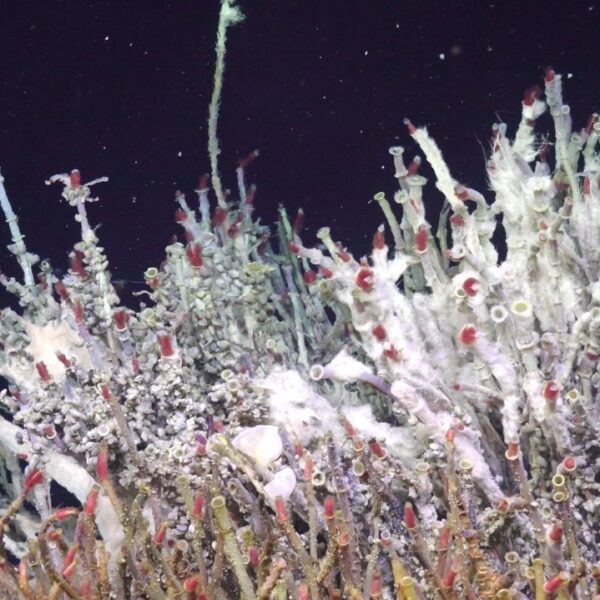
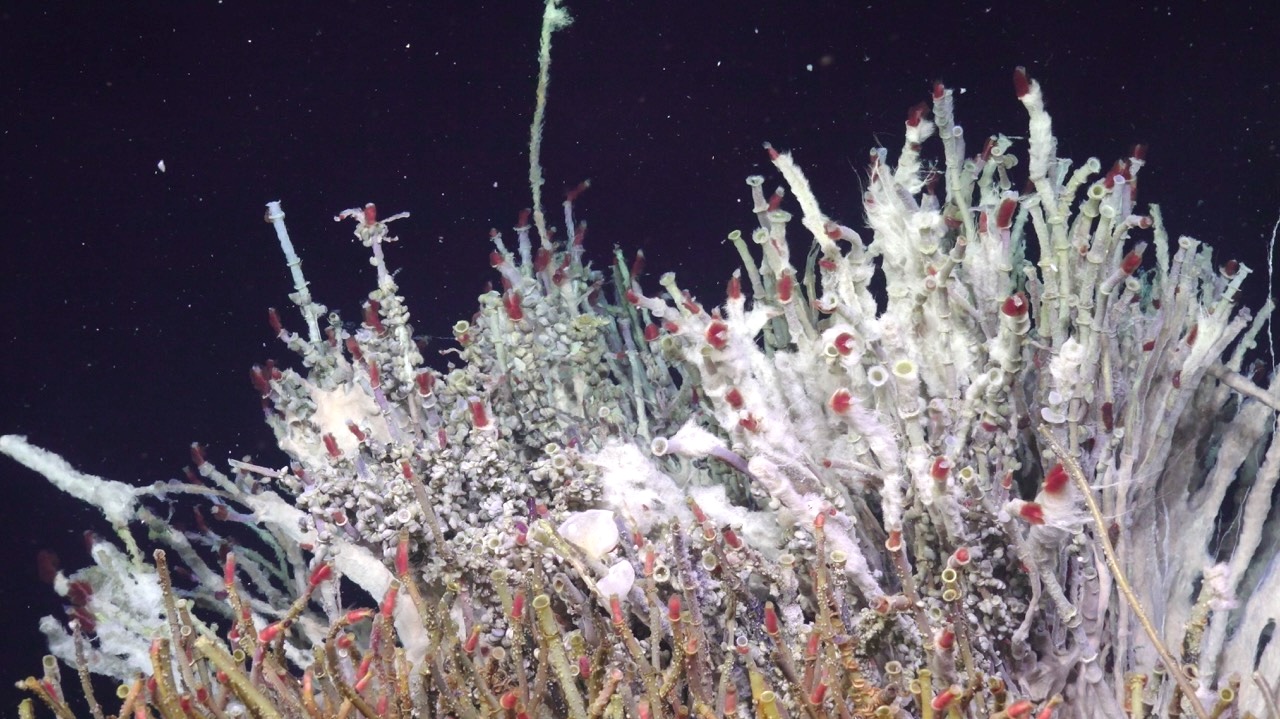
The top of a bush of skinny chemosynthetic tube worms, filamentous bacteria, and encrusting limpets at Axial Caldera International District Vent Field. Credit: UW/NSF-OOI/WHOI; J2-1788; V26.
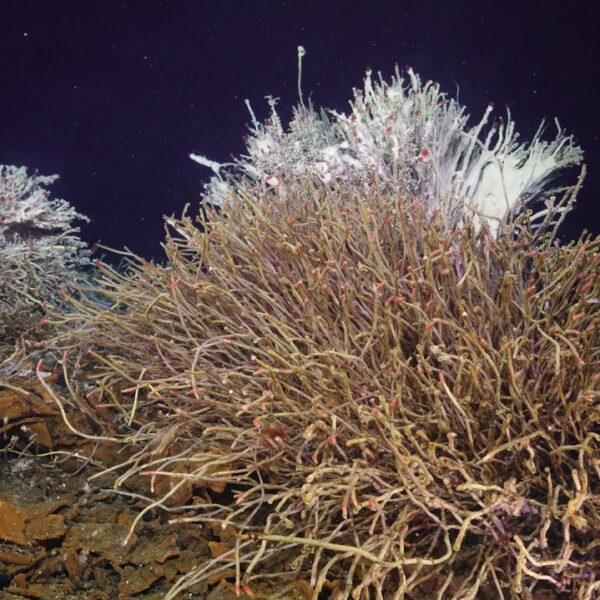
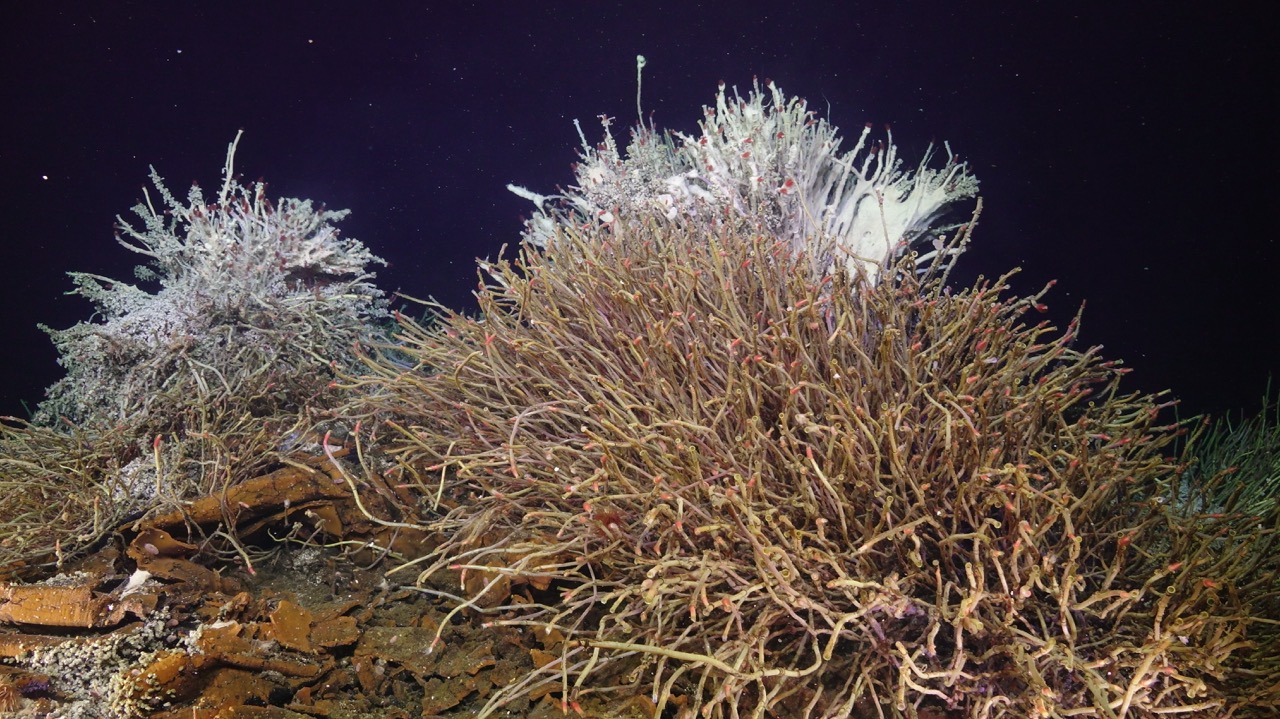
Bushes of skinny chemosynthetic tube worms at Axial Caldera International District Vent Field. Credit: UW/NSF-OOI/WHOI; J2-1788; V26.
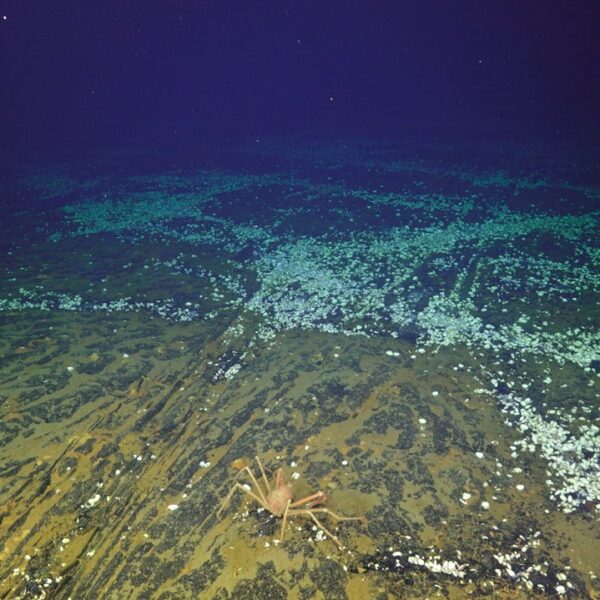
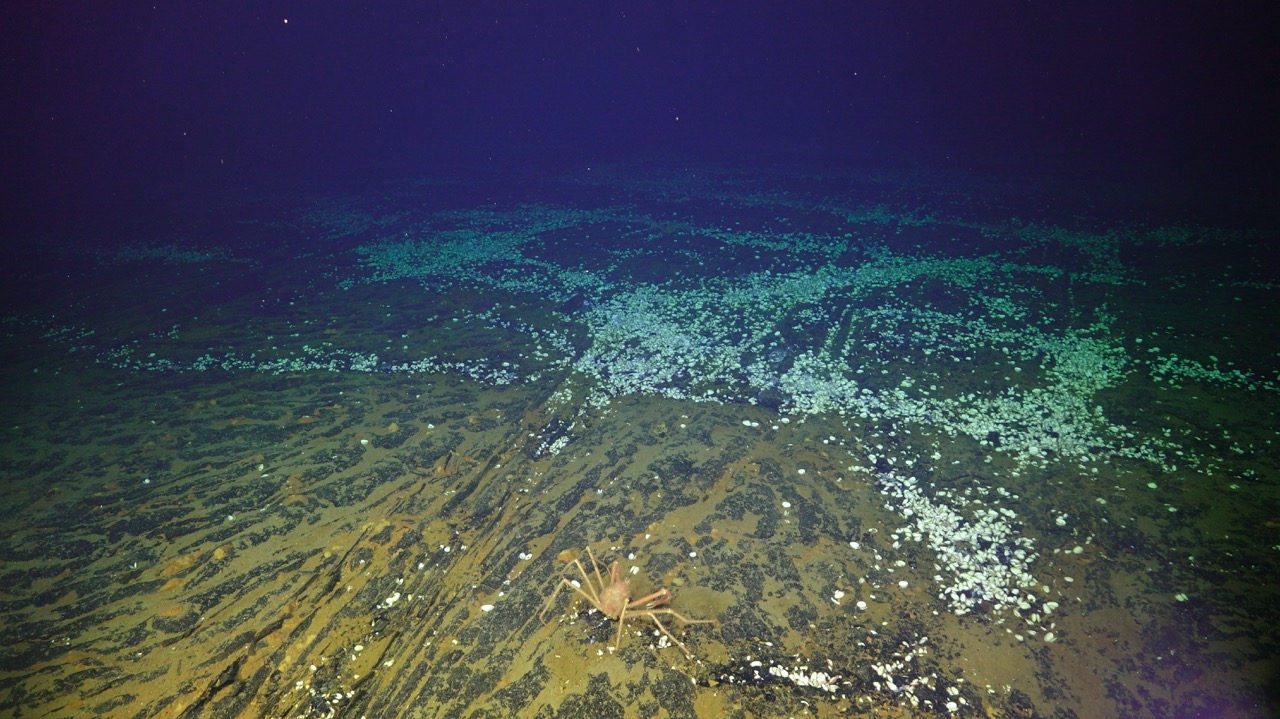
A crab walks towards a giant field of chemosynthetic clams at Axial Caldera International District Vent Field. Credit: UW/NSF-OOI/WHOI; J2-1788; V26.
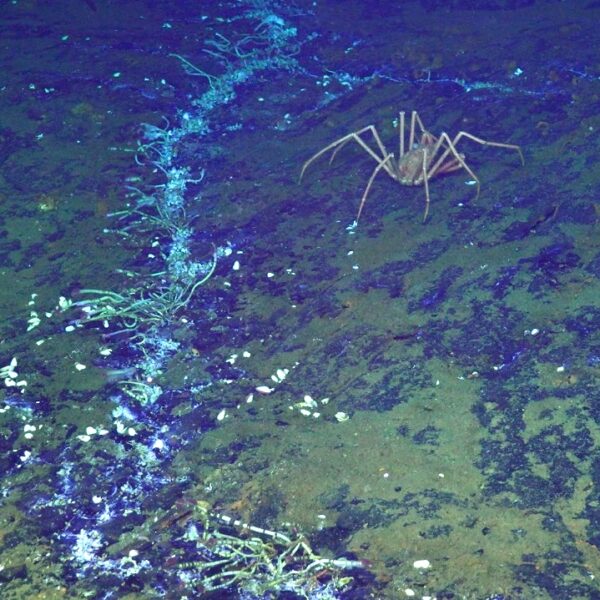
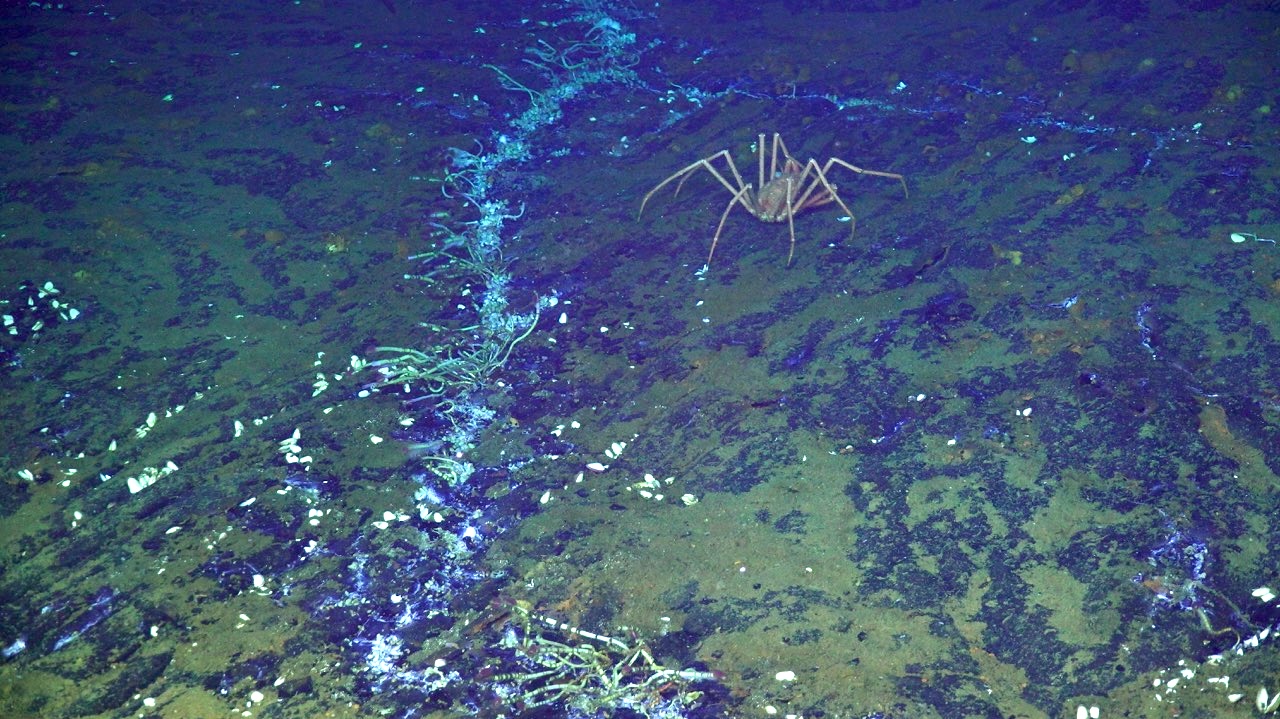
A crab walks next to a crack in the seafloor covered in bacteria, tube worms, and chemosynthetic clams at Axial Caldera International District Vent Field. Credit: UW/NSF-OOI/WHOI; J2-1788; V26.
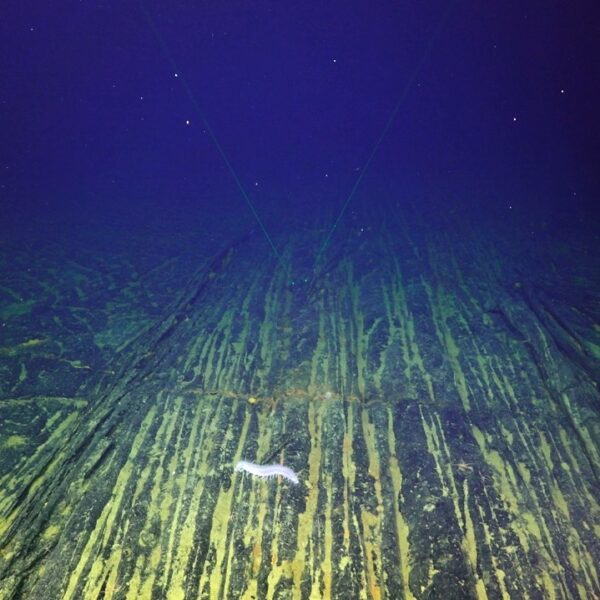
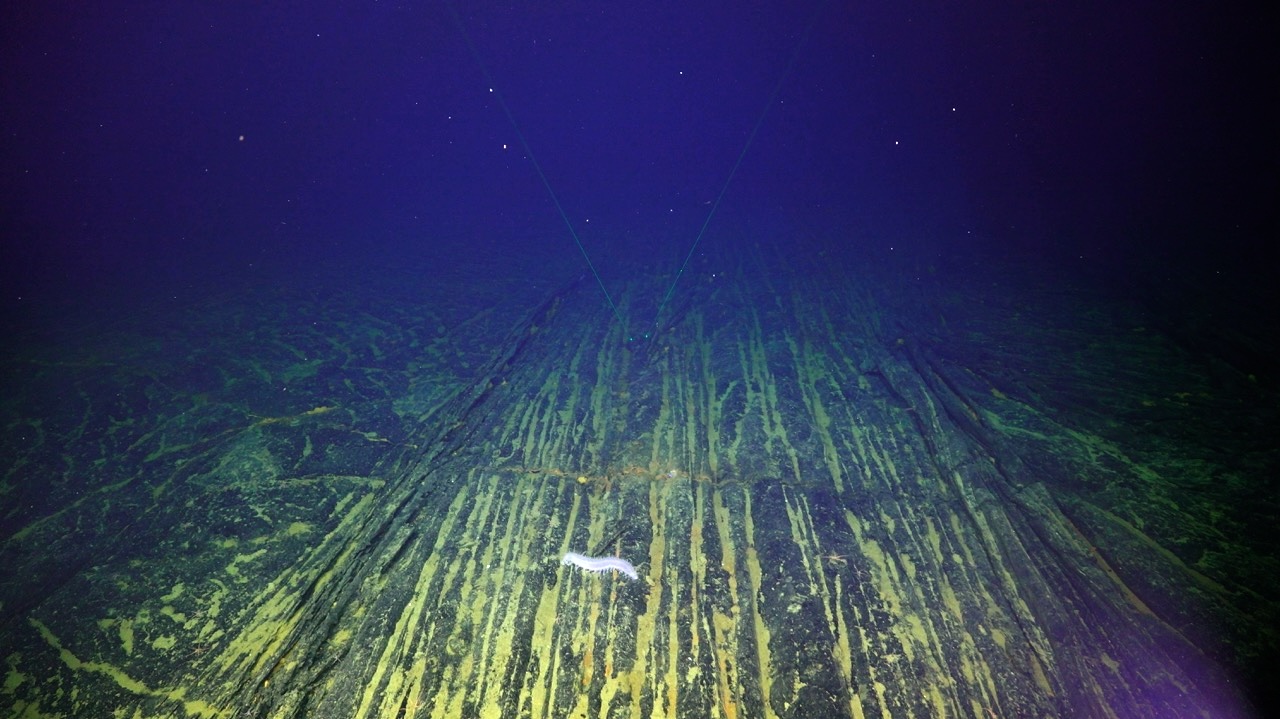
A sea cucumber travels on a highway formed by a river of lava rock at Axial Caldera International District Vent Field. Credit: UW/NSF-OOI/WHOI; J2-1788; V26.
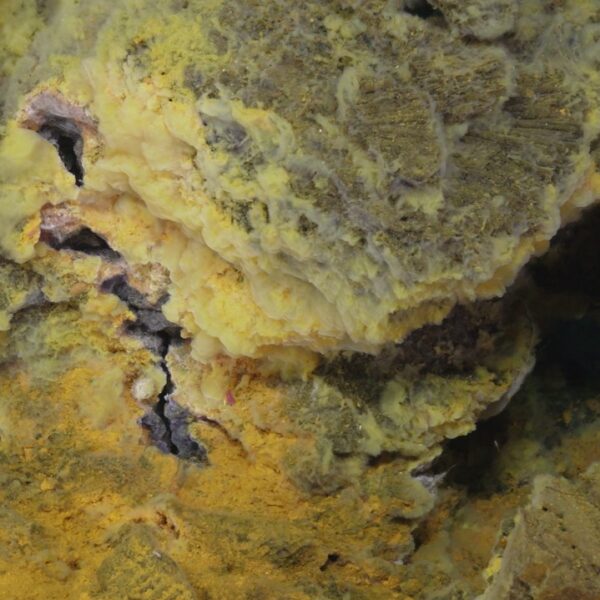
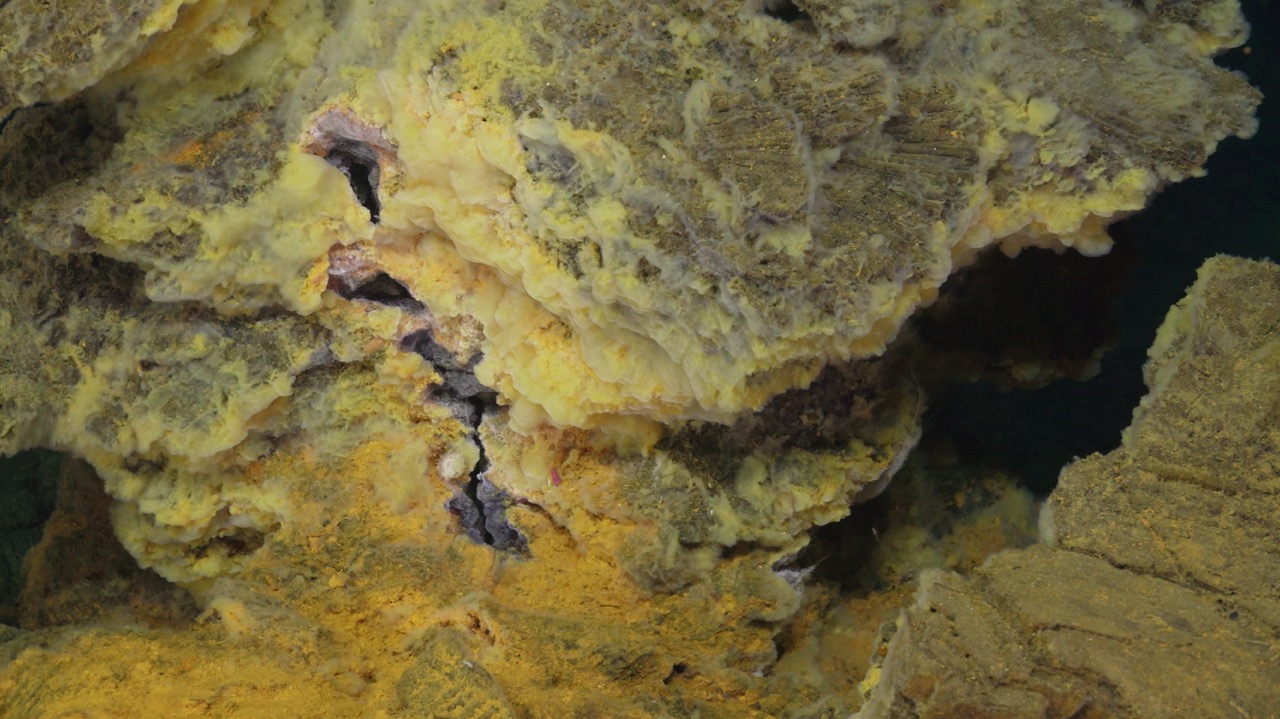
Yellow bacterial matter and sediment covering a basalt rockface at Axial Caldera International District Vent Field. Credit: UW/NSF-OOI/WHOI; J2-1788; V26.
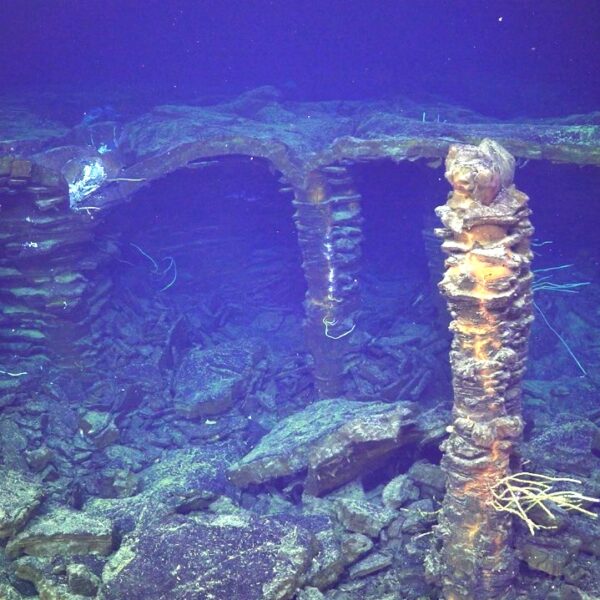
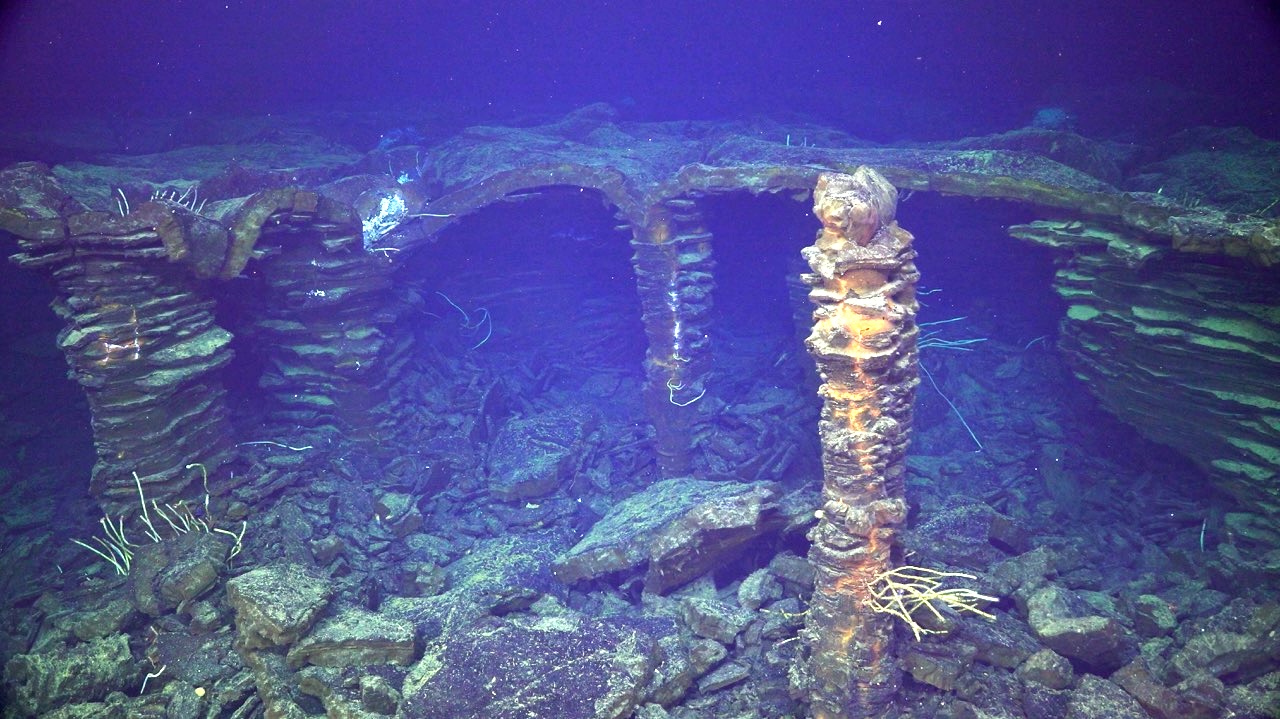
Pillars of basalt hold up a partially collapsed lava bubble to form a cavern at Axial Caldera International District Vent Field. Credit: UW/NSF-OOI/WHOI; J2-1788; V26.
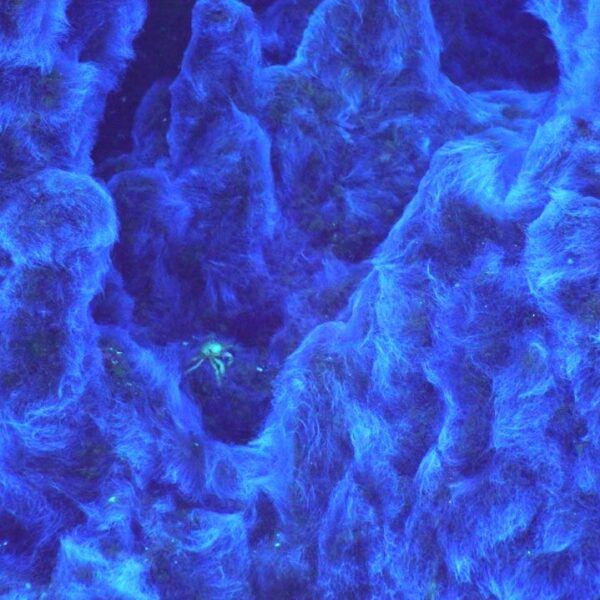
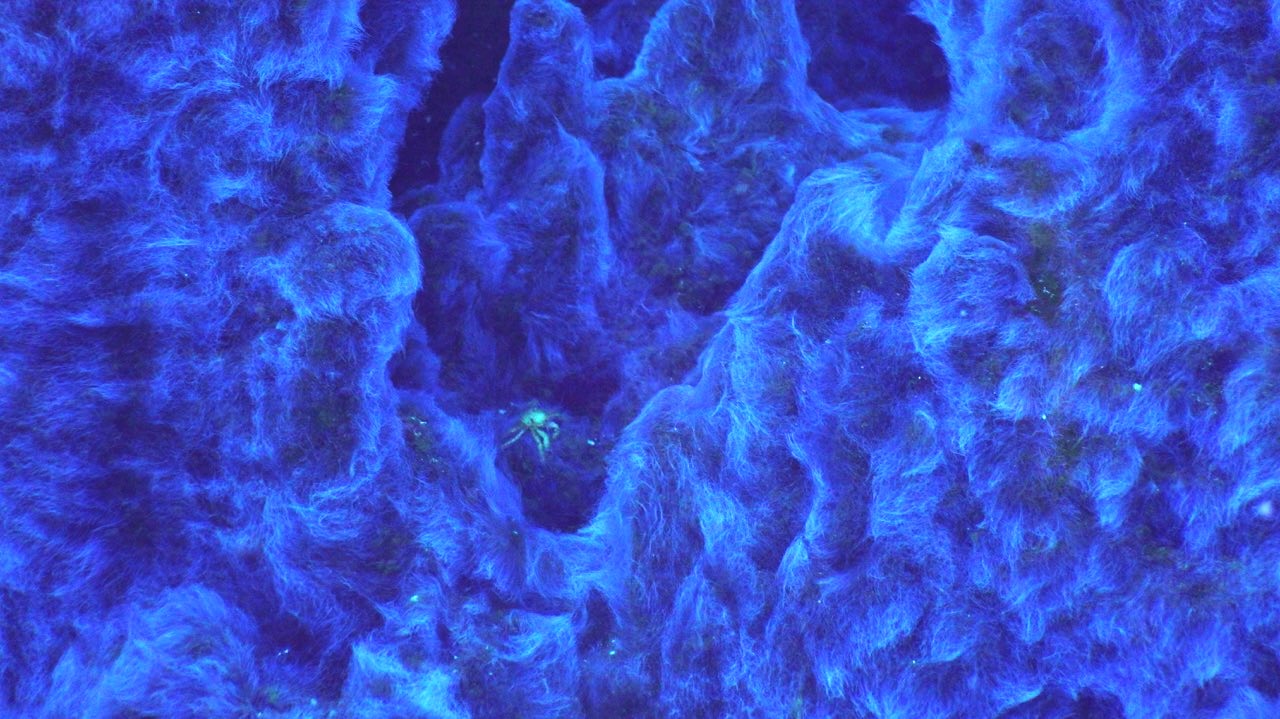
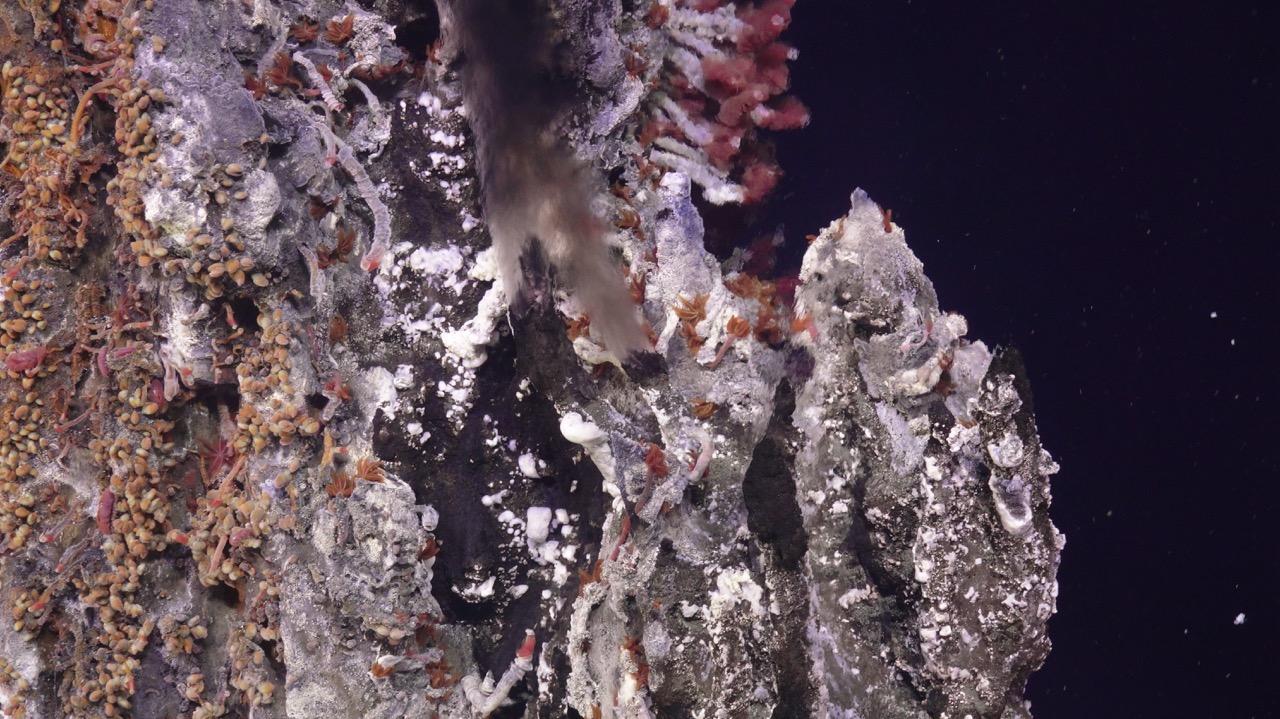
An extinct hydrothermal vent chimney covered in fuzzy bacterial filaments shelters a tiny crab at Axial Caldera International District Vent Field. Credit: UW/NSF-OOI/WHOI; J2-1788; V26.
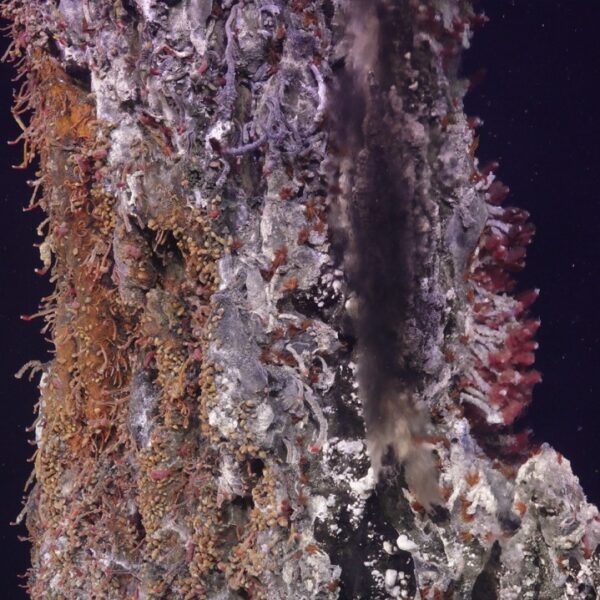
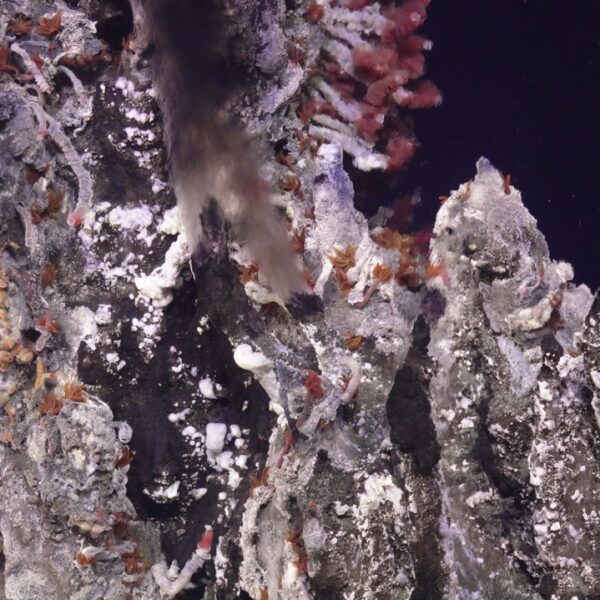
A skinny hydrothermal vent chimney and the surrounding chemosynthetic community at Axial Caldera International District Vent Field. Credit: UW/NSF-OOI/WHOI; J2-1788; V26.
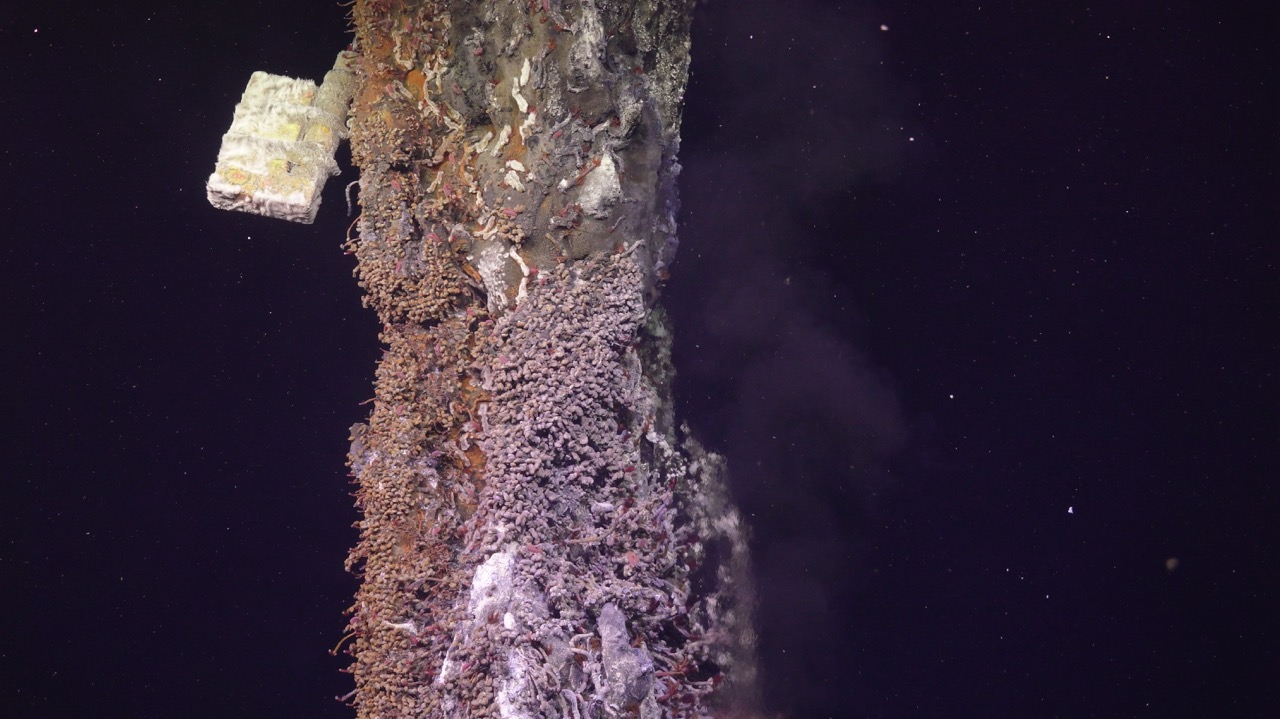
A skinny hydrothermal vent chimney topped with a temperature probe and the surrounding chemosynthetic community at Axial Caldera International District Vent Field. Credit: UW/NSF-OOI/WHOI; J2-1788; V26.
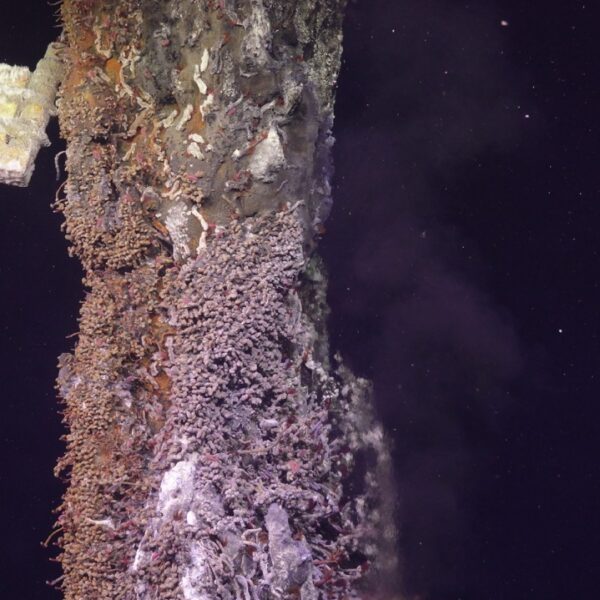
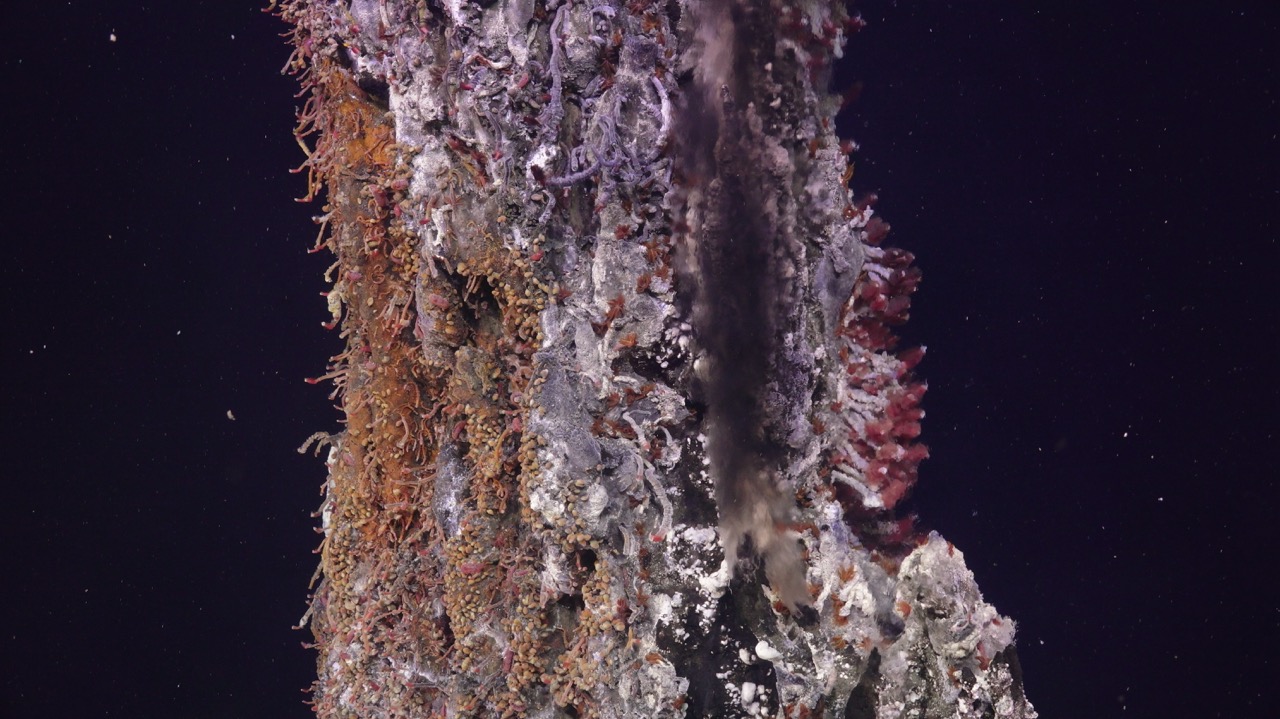
Hydrothermal vent and surrounding chemosynthetic community at Axial Caldera International District Vent Field. Credit: UW/NSF-OOI/WHOI; J2-1788; V26.
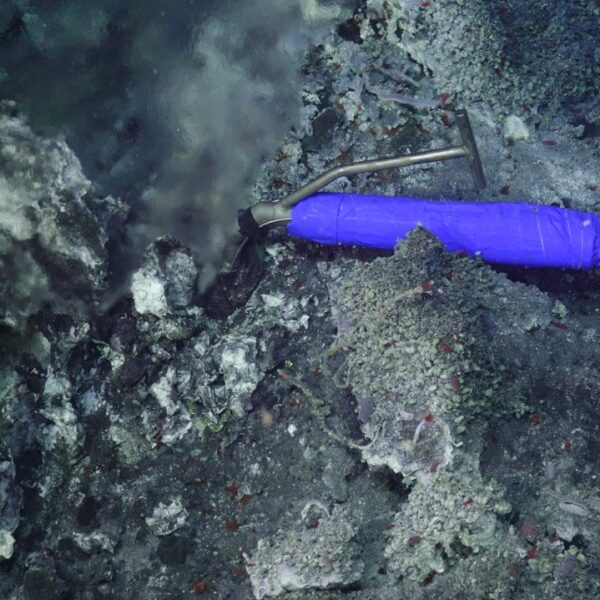
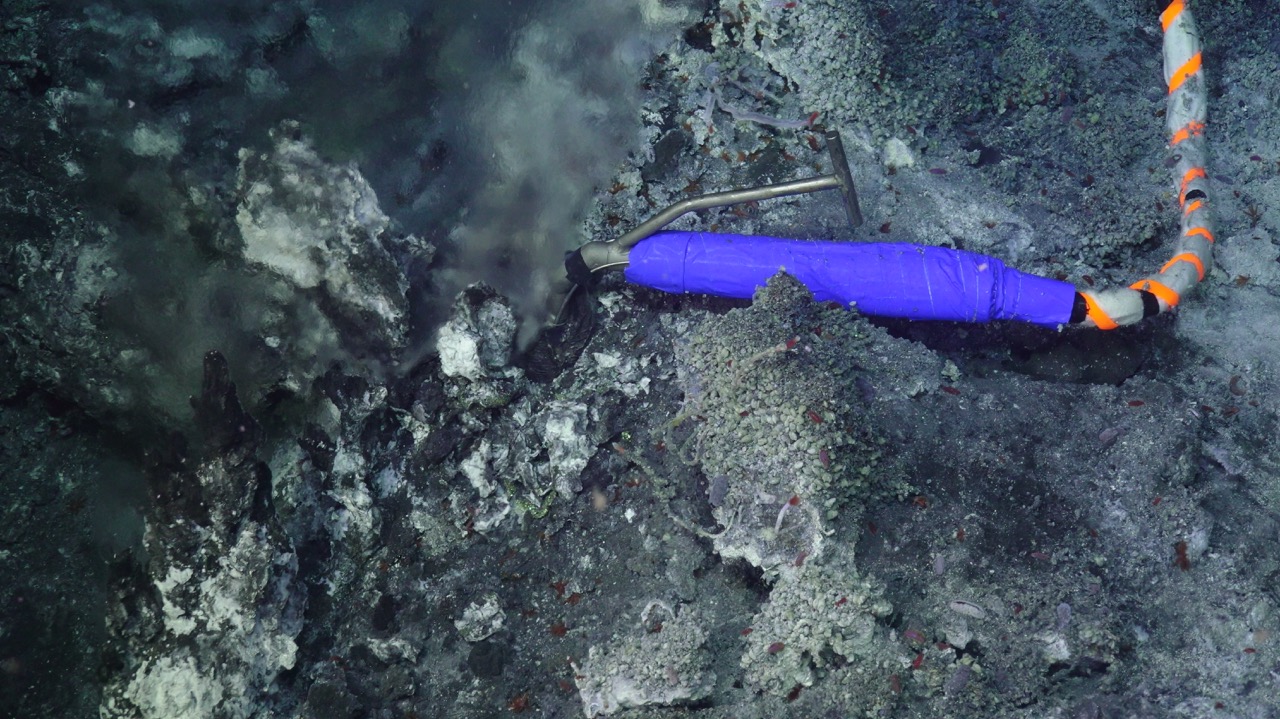
Temperature and resistivity probe inserted into a superheated hydrothermal vent at Axial Caldera International District Vent Field. Credit: UW/NSF-OOI/WHOI; J2-1788; V26.
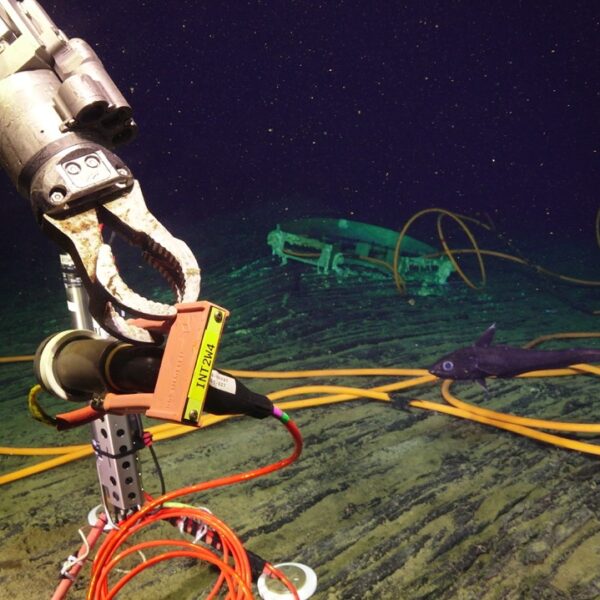
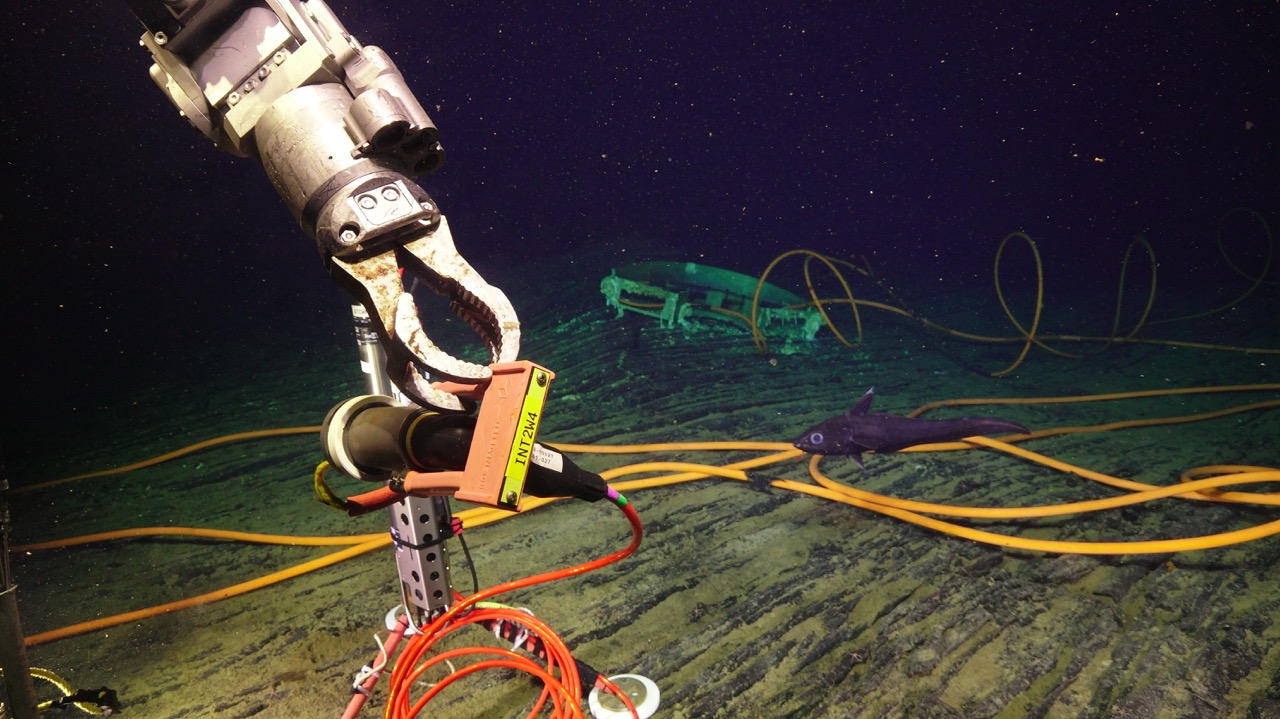
Rattail and instrument tripod at Axial Caldera International District Vent Field. Credit: UW/NSF-OOI/WHOI; J2-1788; V26.
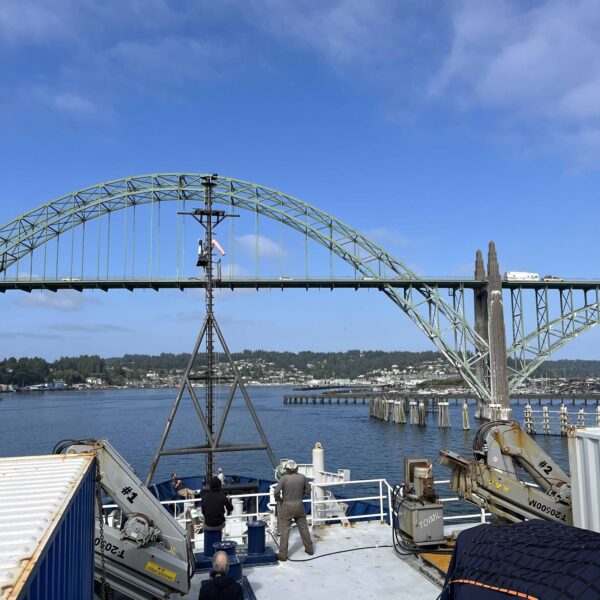
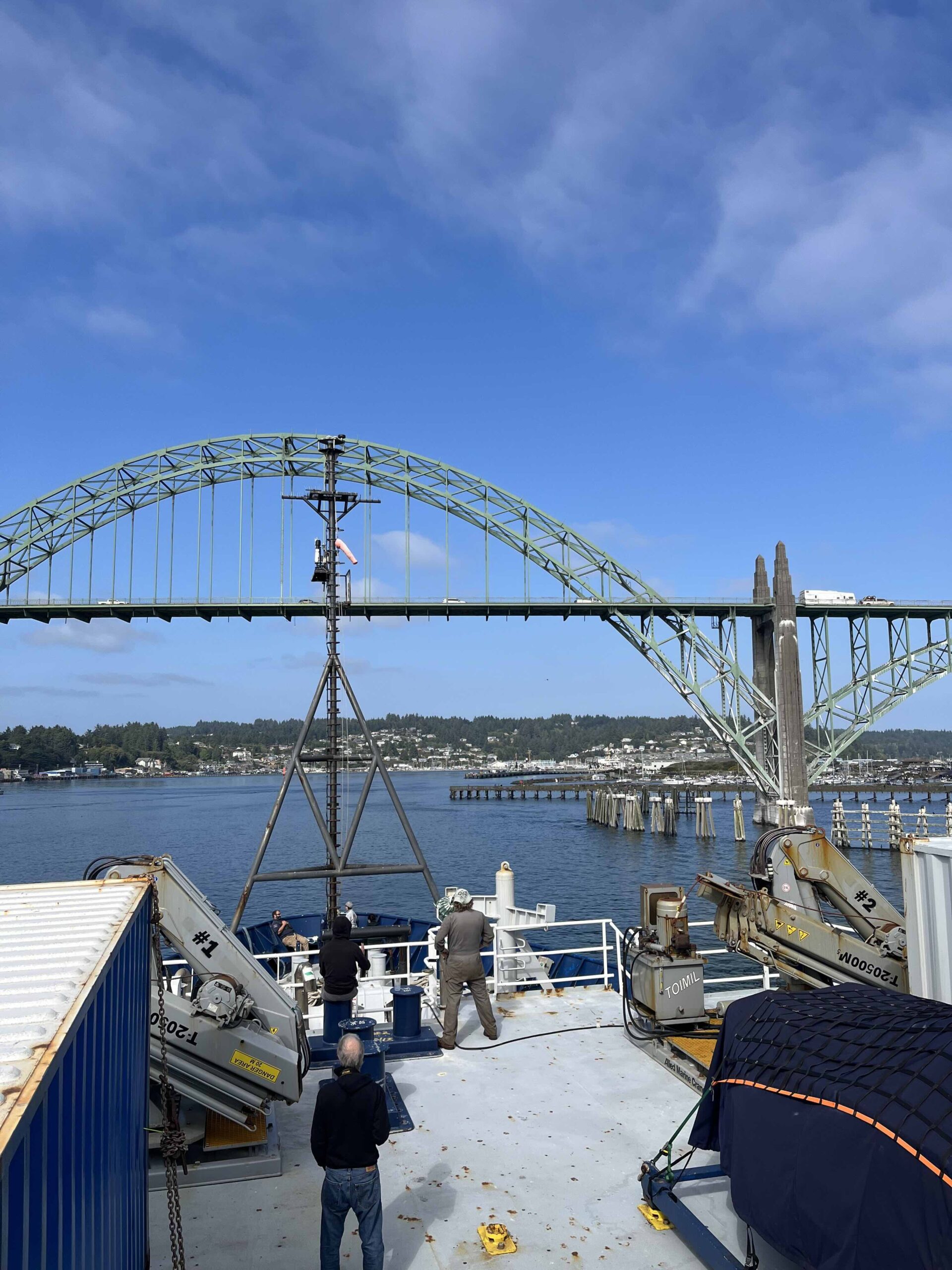
Arrival back in Newport. Credit: A. Wolf, University of Washington; V26.
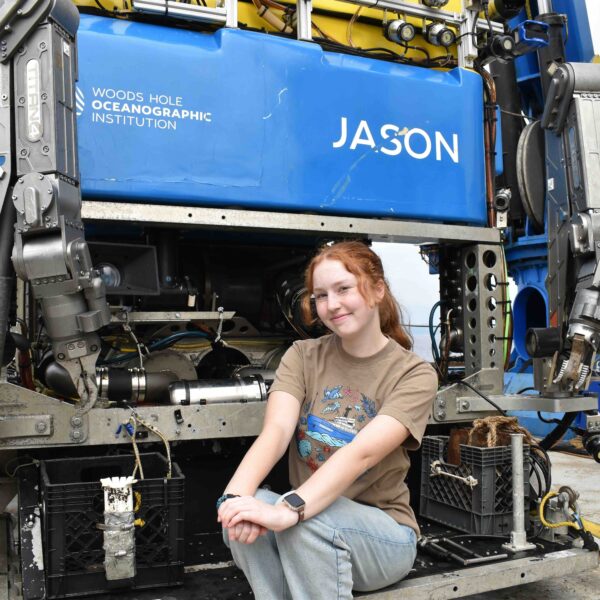
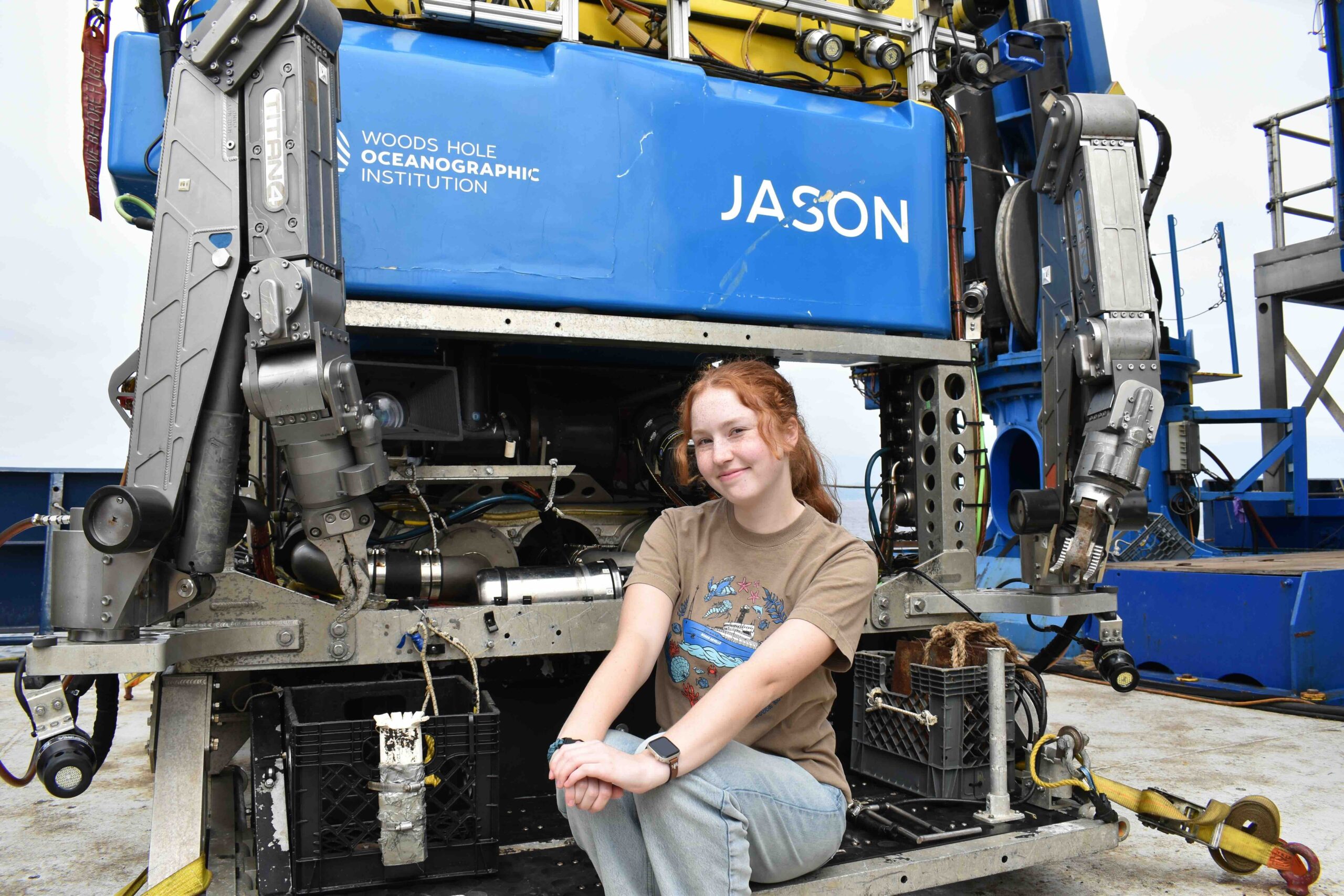
Avery Wolf posing with ROV Jason for the last time. Credit: J. Thirtyacre, University of Washington; V26.
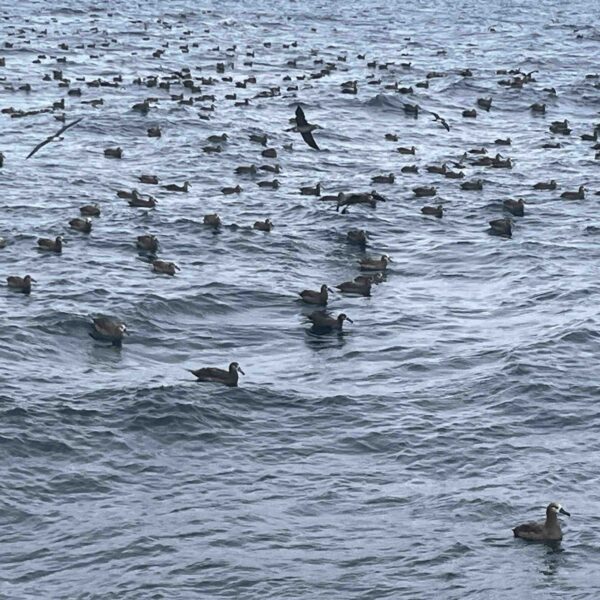
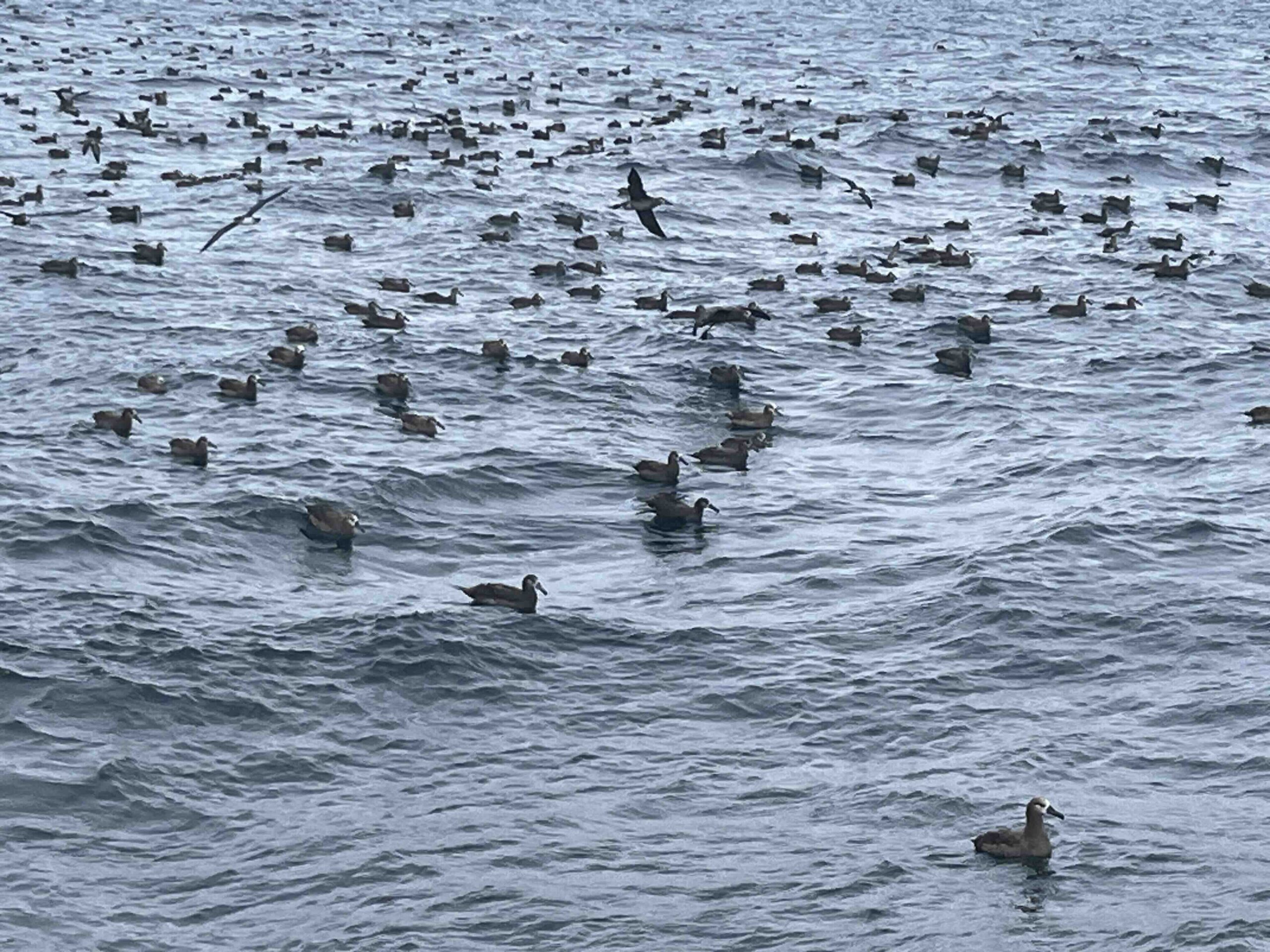
A large number of Blackfooted Albatross visited the R/V Roger Revelle this morning. Credit: A. Wolf, University of Washington; V26.
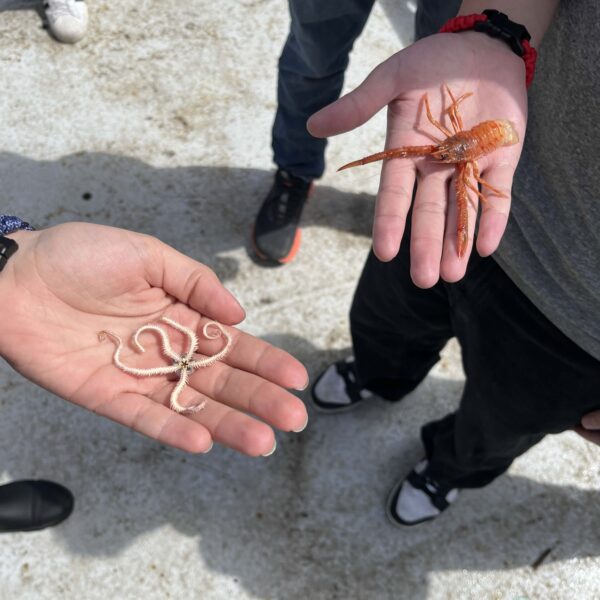
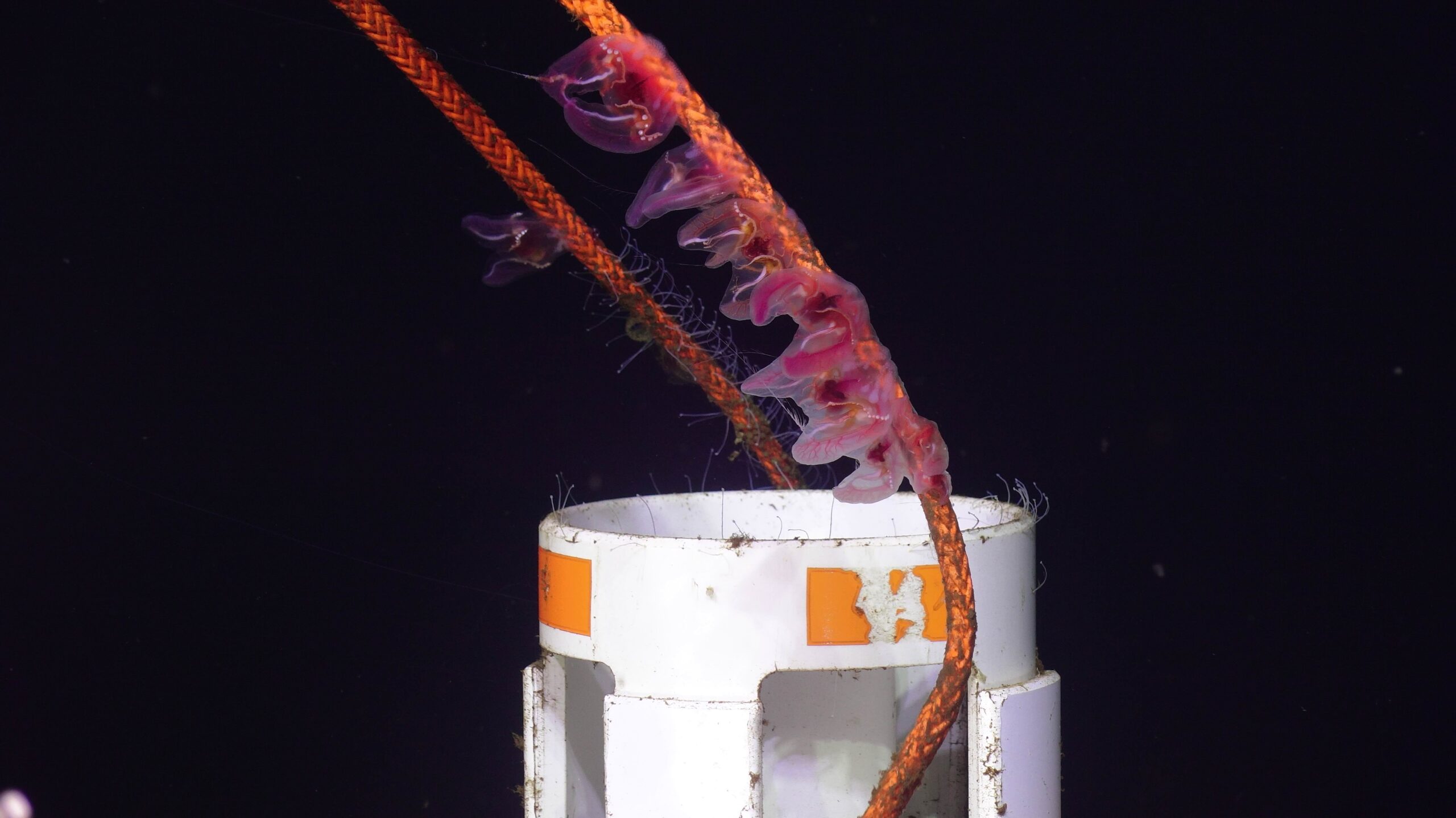
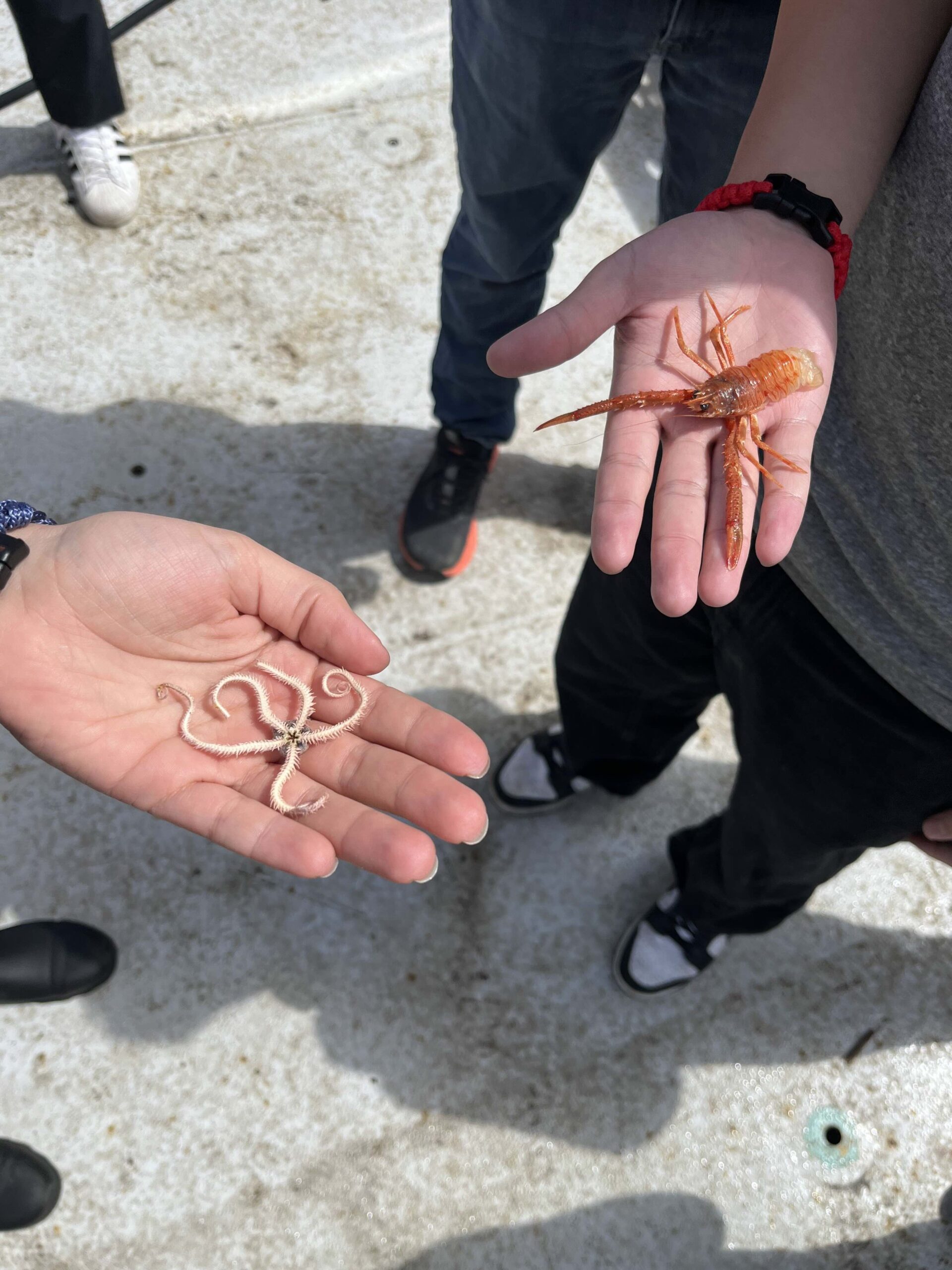
A couple of sea creatures we met while cleaning off the shallow profiler. Credit: A. Wolf, University of Washington; V26.
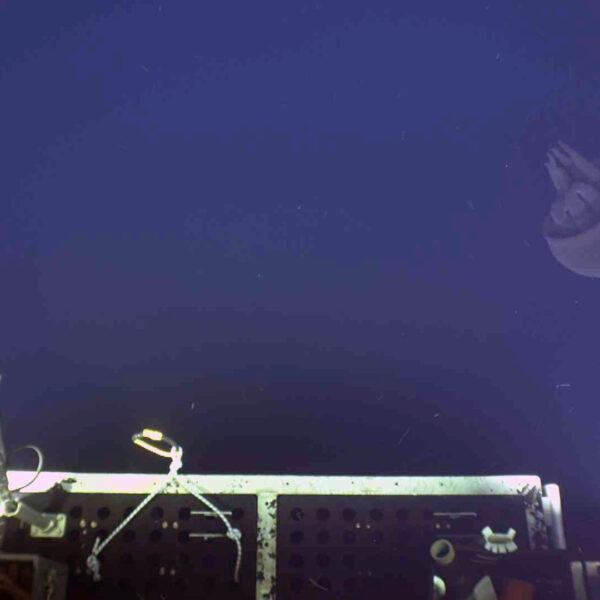
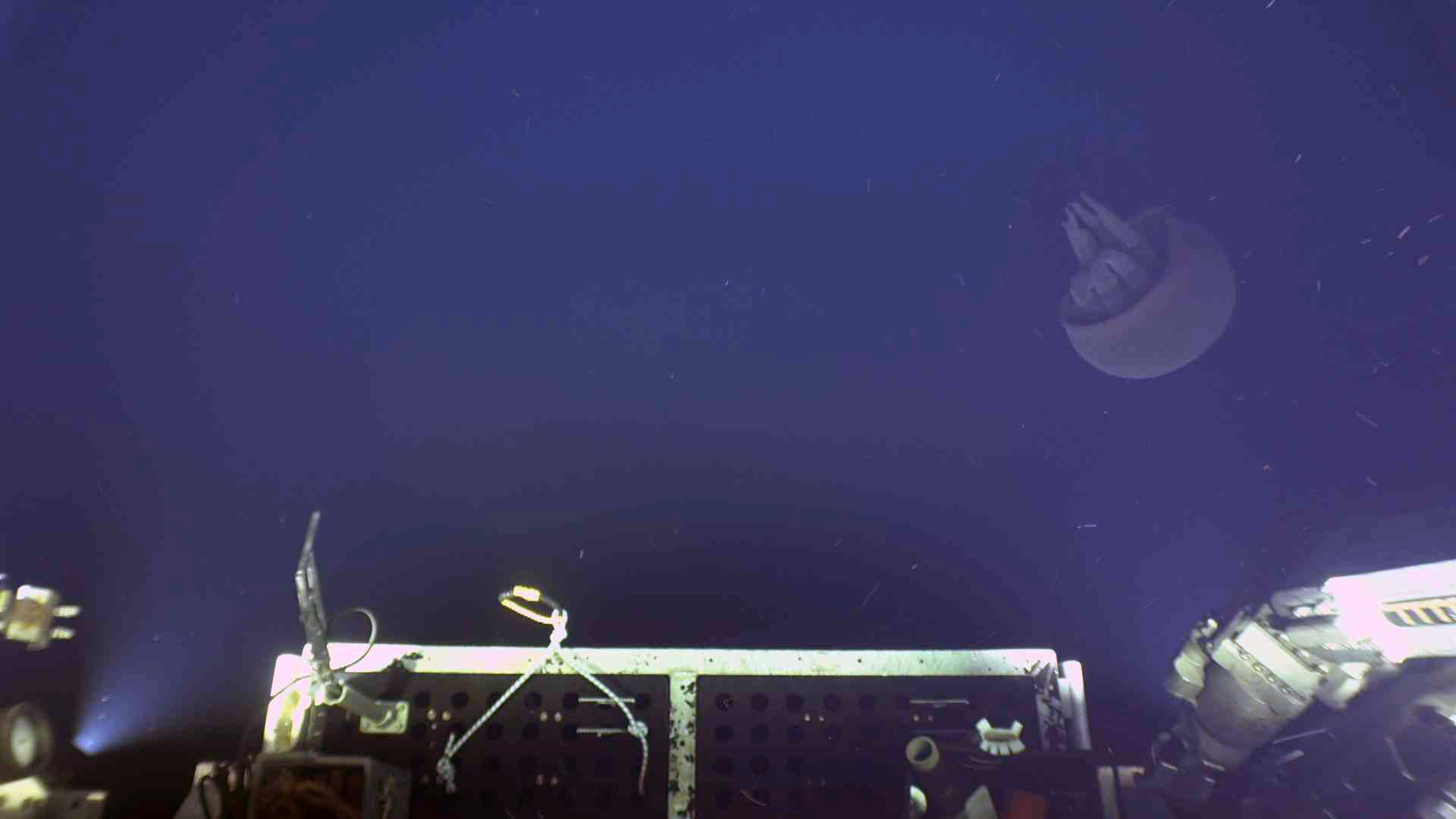
Big red jelly captured in Jason’s brow cam. Credit: M. Talbot, University of Washington. V26.
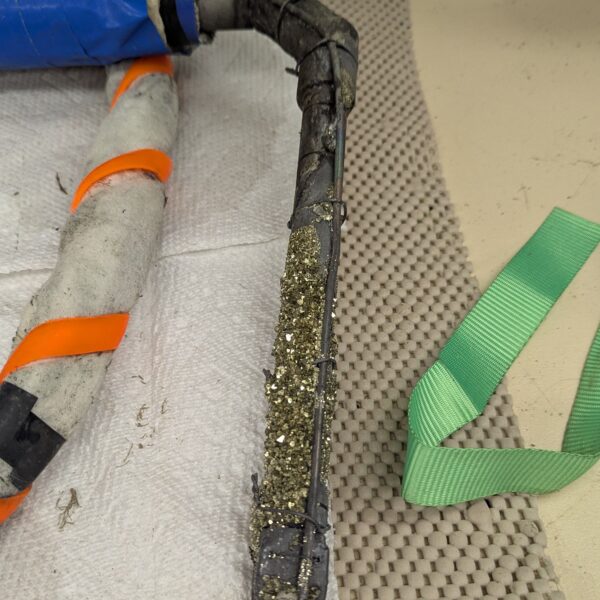
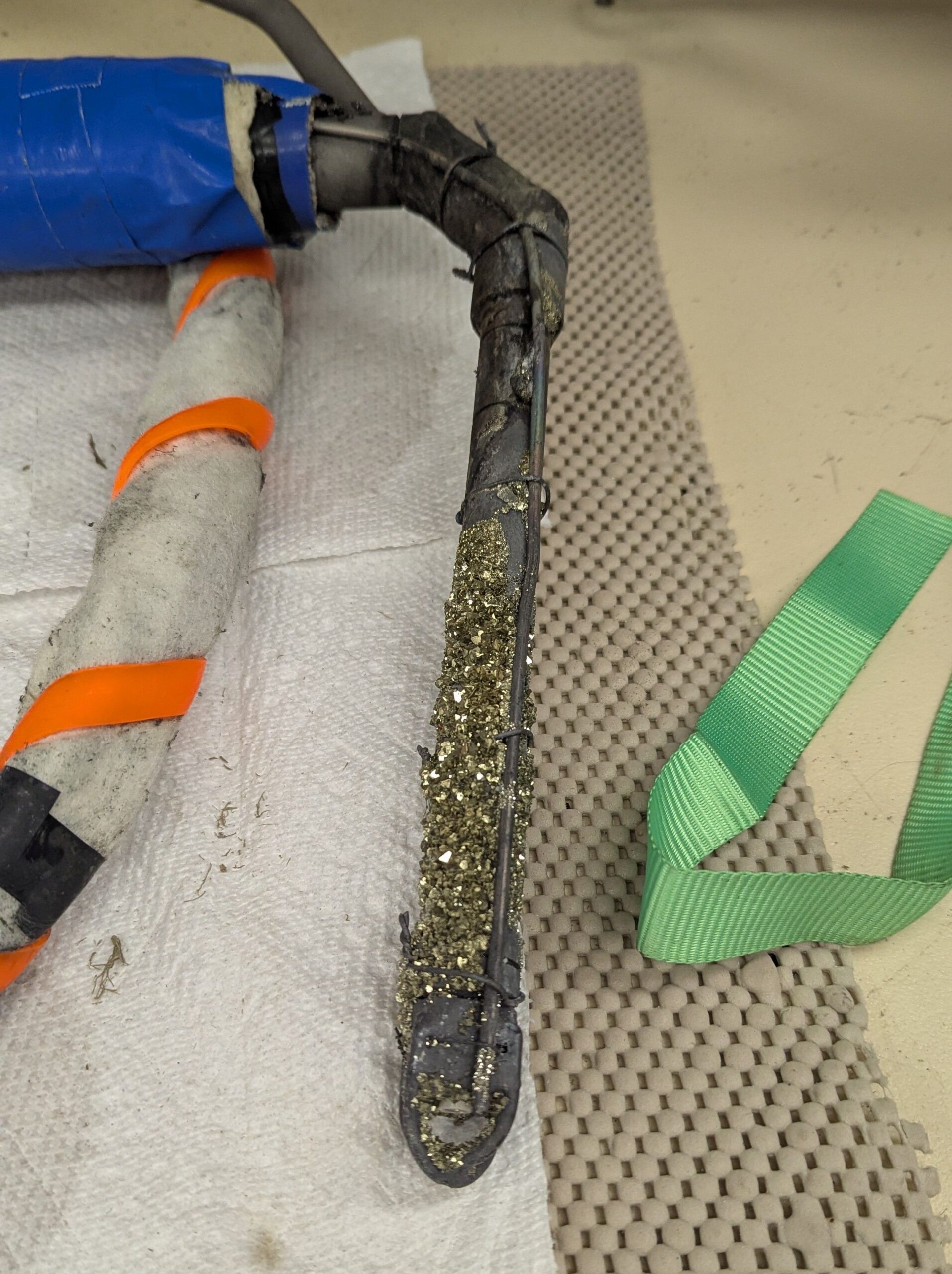
Chalcopyrite with small anhydrite crystals clustered on temperature-resistivity probe. Credit: M. Talbot, University of Washington. V26.
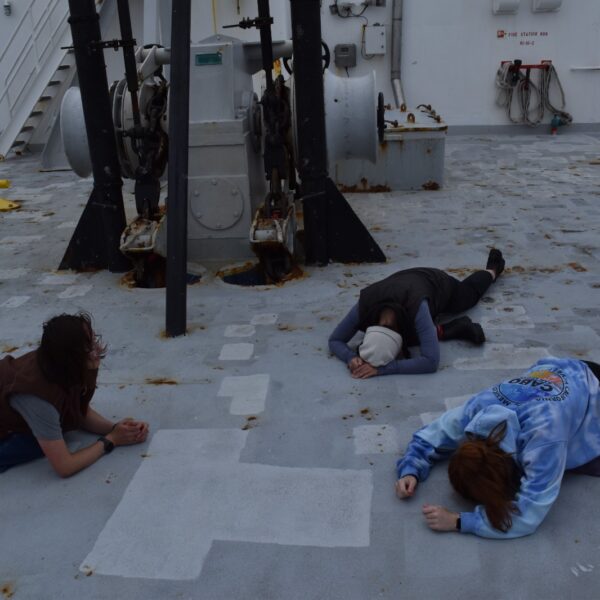
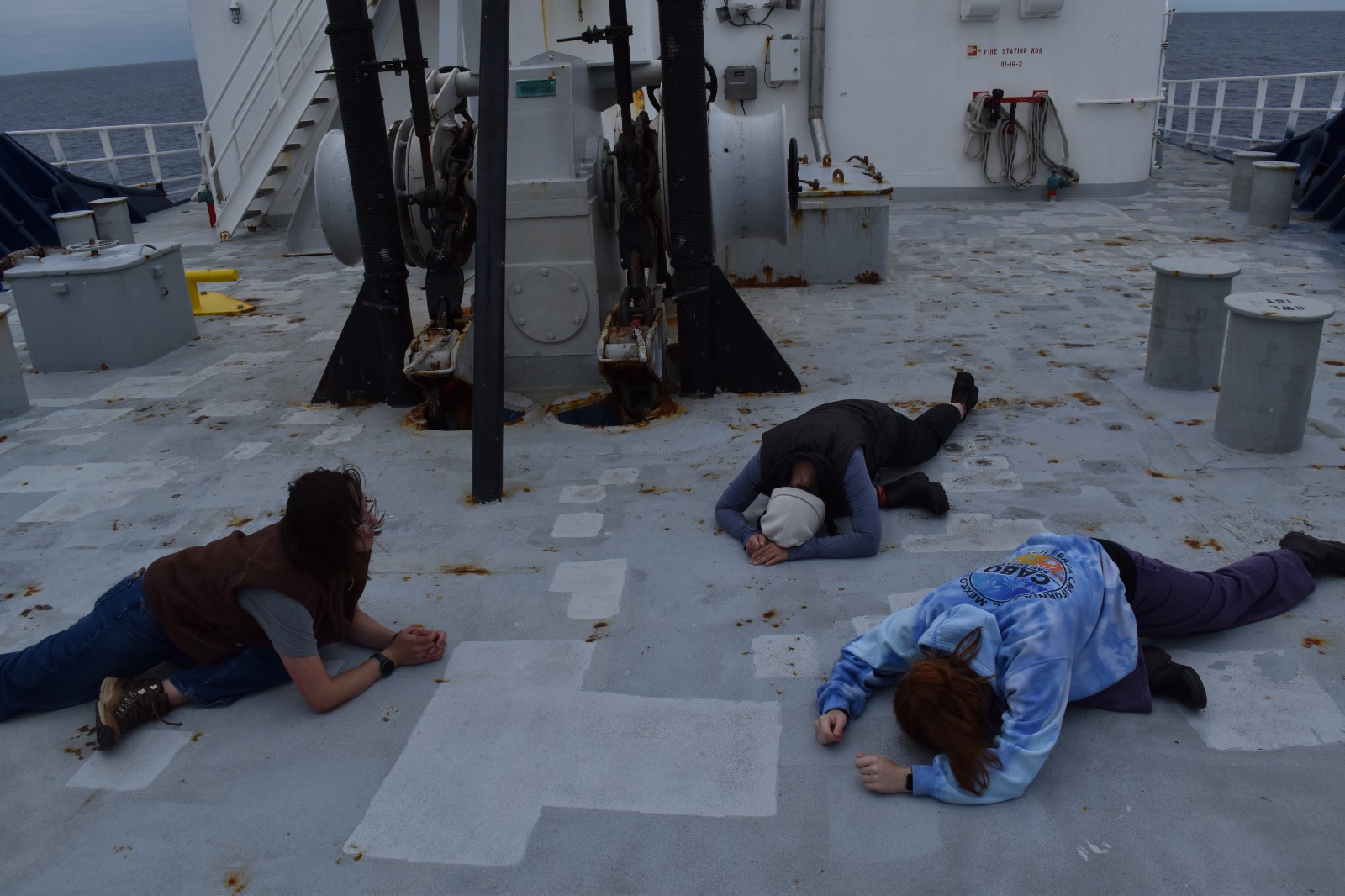
Deck yoga out on the bow. Pictured from left to right: Izzie, Maddy, Avery. Credit: J. Campbell, University of Washington. V26.
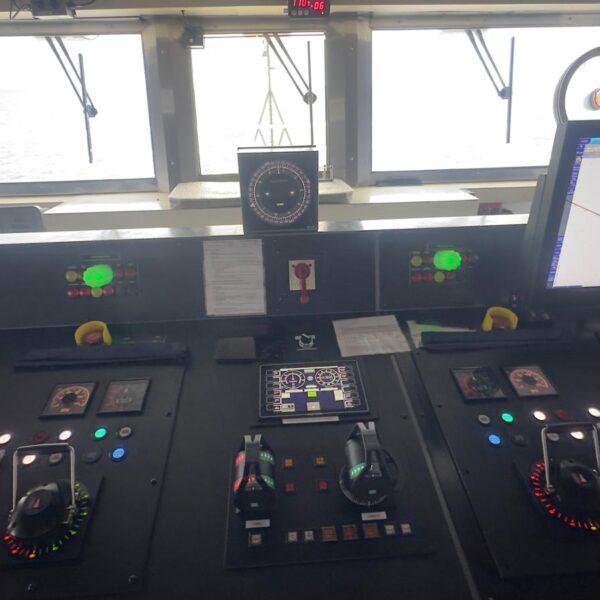
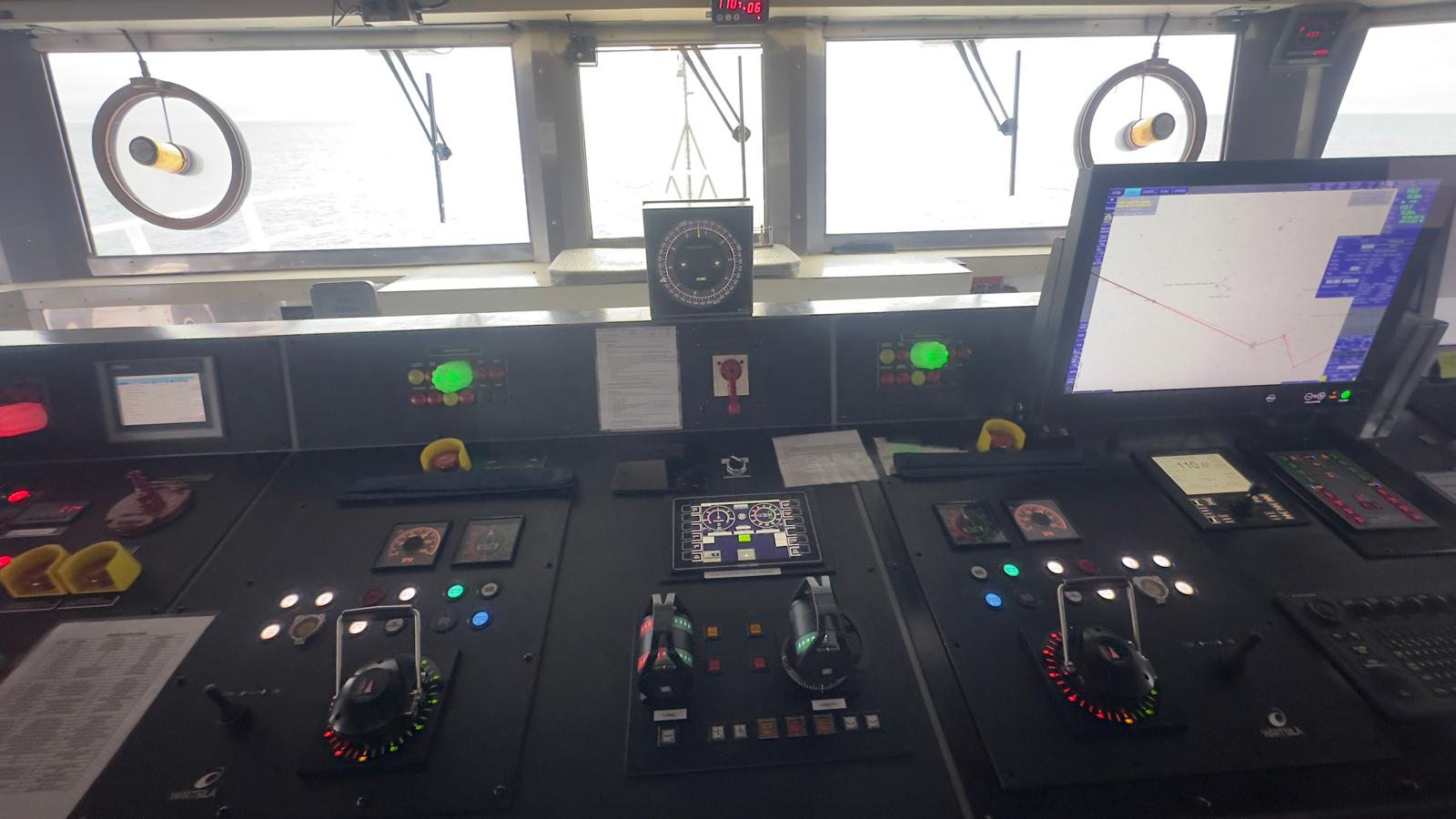
The Driver’s Seat. Credit: T. Naladala, University of Washington, V26.
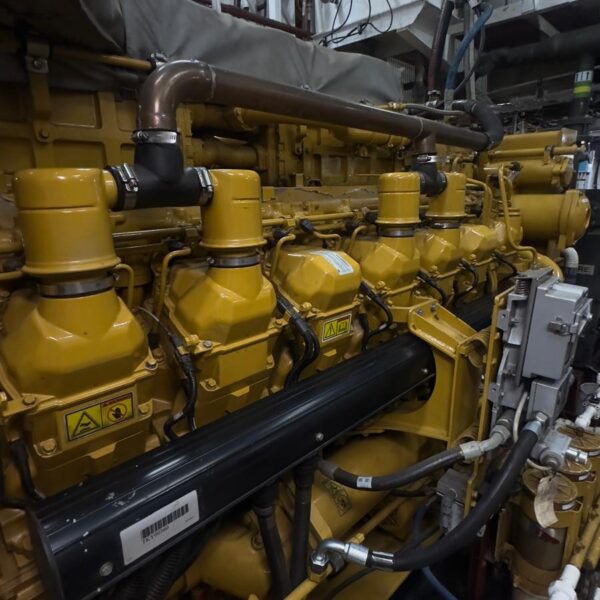
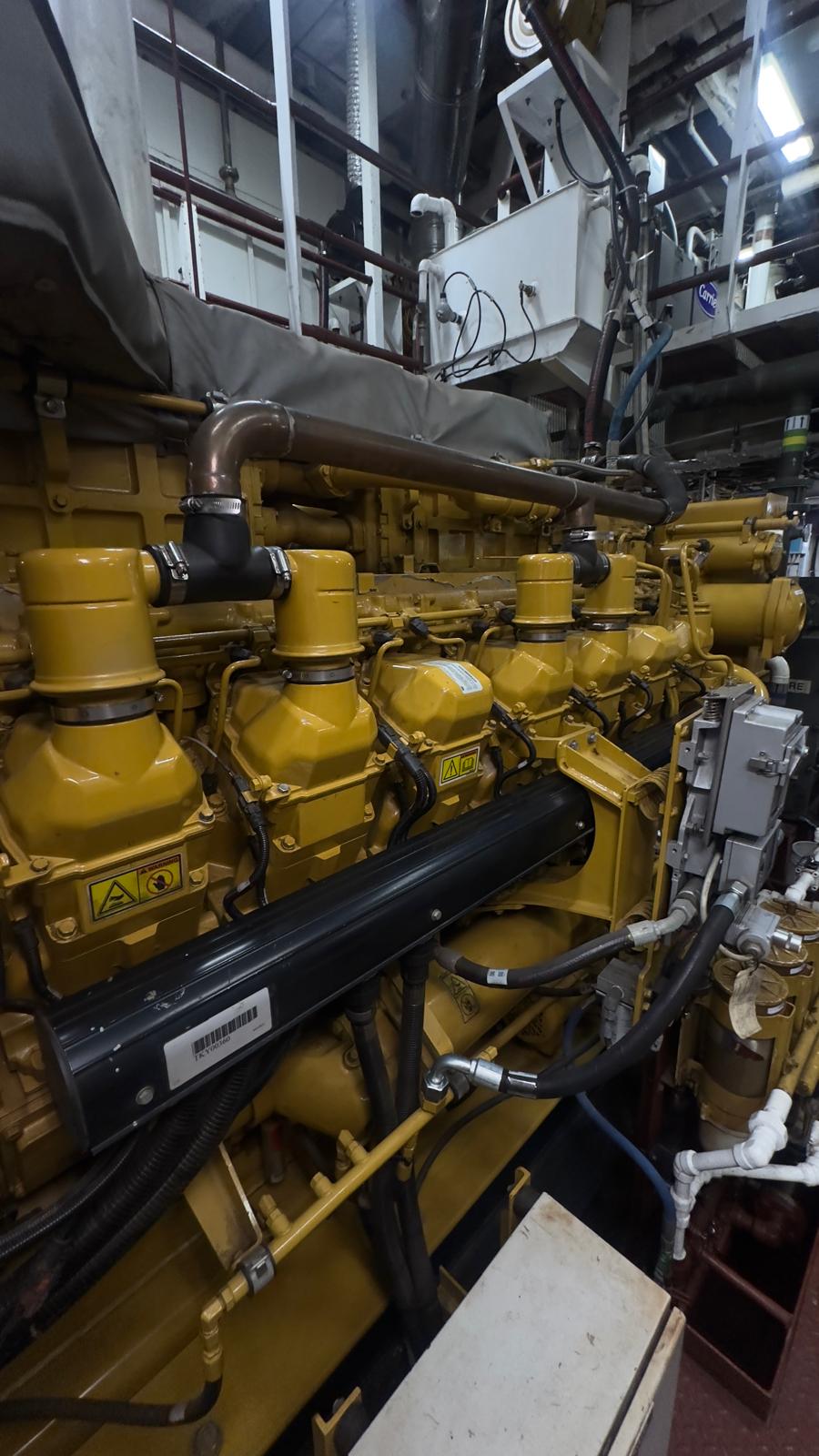
The Twin Turbo V16 Engines, Credit: T Naladala, University of Washington, V26.
- Anemone
- Animal
- Arthropod
- ASHES
- Axial
- Axial Base
- Axial Biology
- Axial Caldera
- Bacteria
- Basalt Lava
- BEP
- Biofouling
- Biology
- Camds
- Camera
- Camhd
- Central Caldera
- Ciliates
- Cnidaria
- Coastal Biology
- Crab
- Deep Profiler Mooring
- Dive Highlights
- Eastern Caldera
- Echinoderms
- Endurance Array
- Engineering Team
- ENLIGHTEN 10
- Exploratorium
- Fish
- Geology
- HD Camera
- HPIES
- Hydrate Ridge
- Hydrates
- Hydrophone
- Hydrothermal Vents
- Illustration
- Inshore 80 Meters
- Instrument
- International District
- J-BOX
- Jason
- Jellyfish
- Junction Box
- K12
- Lava
- Mollusk
- Moorings
- Nodes
- Nudibranch
- Octopus
- OOI
- Oregon Offshore
- Oregon Offshore 600 m
- Oregon Shelf
- Oregon Slope Base
- People
- PN1B
- PN1D
- Polychaetes
- PPSDN
- Primary Node
- RASFL
- ROCLS
- ROPOS
- ROPOS Dives
- ROV Team
- RV Revelle
- RV Sikuliaq
- RV Thompson
- Salp
- Sample
- SC13
- Science Team
- Sea Cucumber
- Sea Star
- Sea Urchin
- Seafloor
- Seismometer
- Sensors
- Shallow Profiler Mooring
- Shark
- Shipboard
- Shore Station
- Slope Base
- Smoker
- Soft Coral
- Southern Hydrate Ridge
- Sponge
- Squid
- Students
- Students & Guest Participants
- Tmpsf
- Tubeworms
- VISIONS 11 Leg 1
- VISIONS 11 Leg 2
- VISIONS 11 Viewers
- VISIONS 13
- VISIONS 14
- VISIONS 15
- VISIONS 16
- VISIONS 17
- VISIONS 18
- VISIONS 20
- VISIONS 22
- VISIONS 23
- visions 26
- Visualization