Image Archive


The grapnel (red "chain" of hooks), which is used to grapple and recover the ends of cable segments, is shown here lying on the fantail of the TE SubCom Dependable, with one of the deep-water Primary Nodes to the right. --Photo by Cecile Durand
Plan for OOI RSN Primary Node Installation. Node drawings courtesy of L-3 MariPro.
VISIONS'12 Expedition routes for legs 1 & 2.
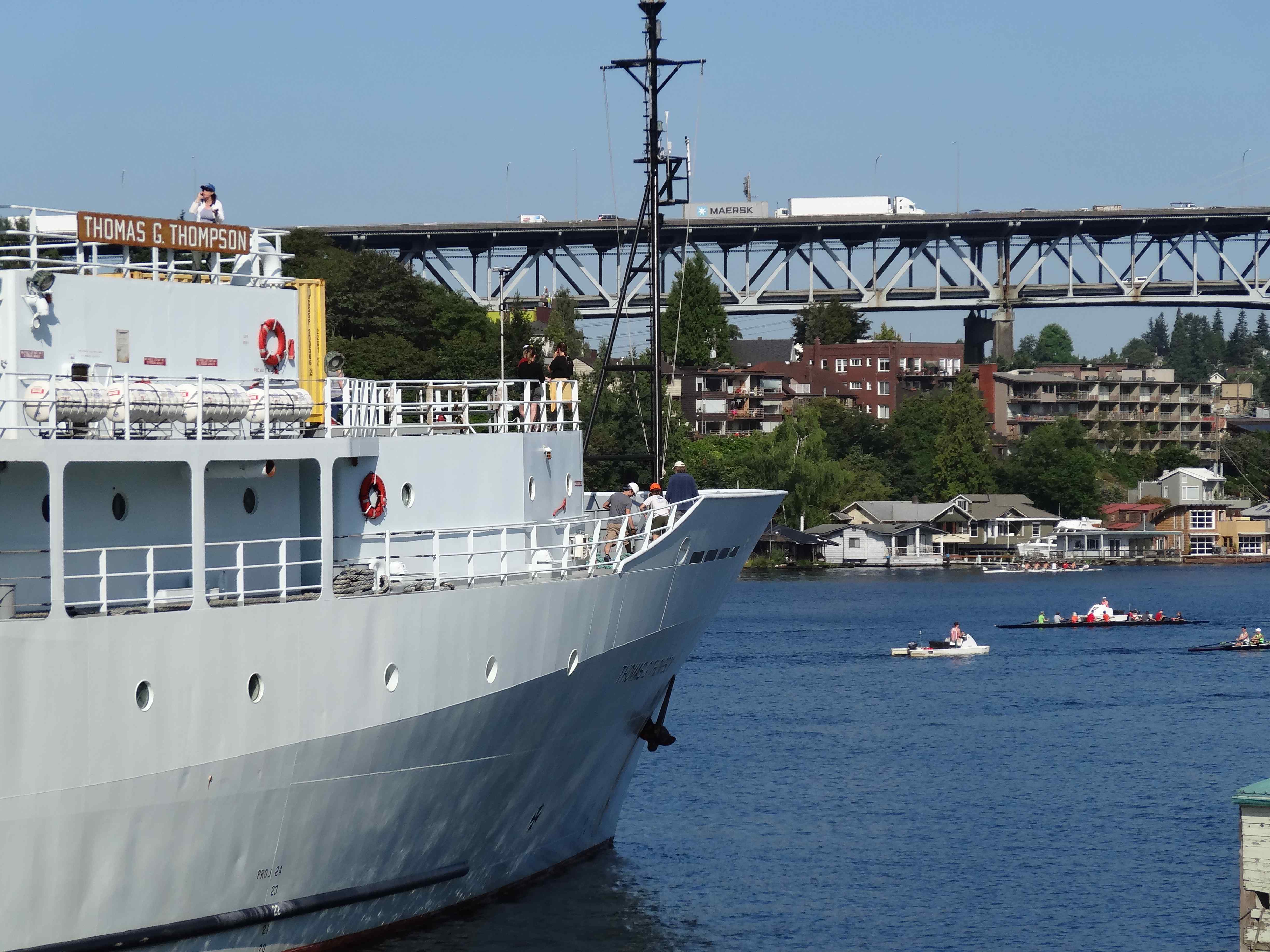
The Research Vessel Thomas G. Thompson works throughout the world’s ocean basins and is the vessel being used for this July 2008 node survey cruise of the Ocean Observatories Initiative.
Northeast Pacific Time-series Underwater Networked Experiments
Opportunities Image
AxialWorkshopHuber
Larson
Butterfield
Wilcox-HD
OOI RSN primary node test deployment off the fantail of the TE SubCom Dependable dockside at Swan Island, Portland, Oregon. Photo by Skip Denny.
Dockside loading of OOI RSN primary node onto cable ship in preparation for dockside testing in Portland, Oregon. April 17, 2012. Photo by Skip Denny.
OOI RSN primary node on deck of TE SubCom Dependable during dockside deployment testing on April 18, 2012 in Portland, Oregon. Photo by Brian Ittig.
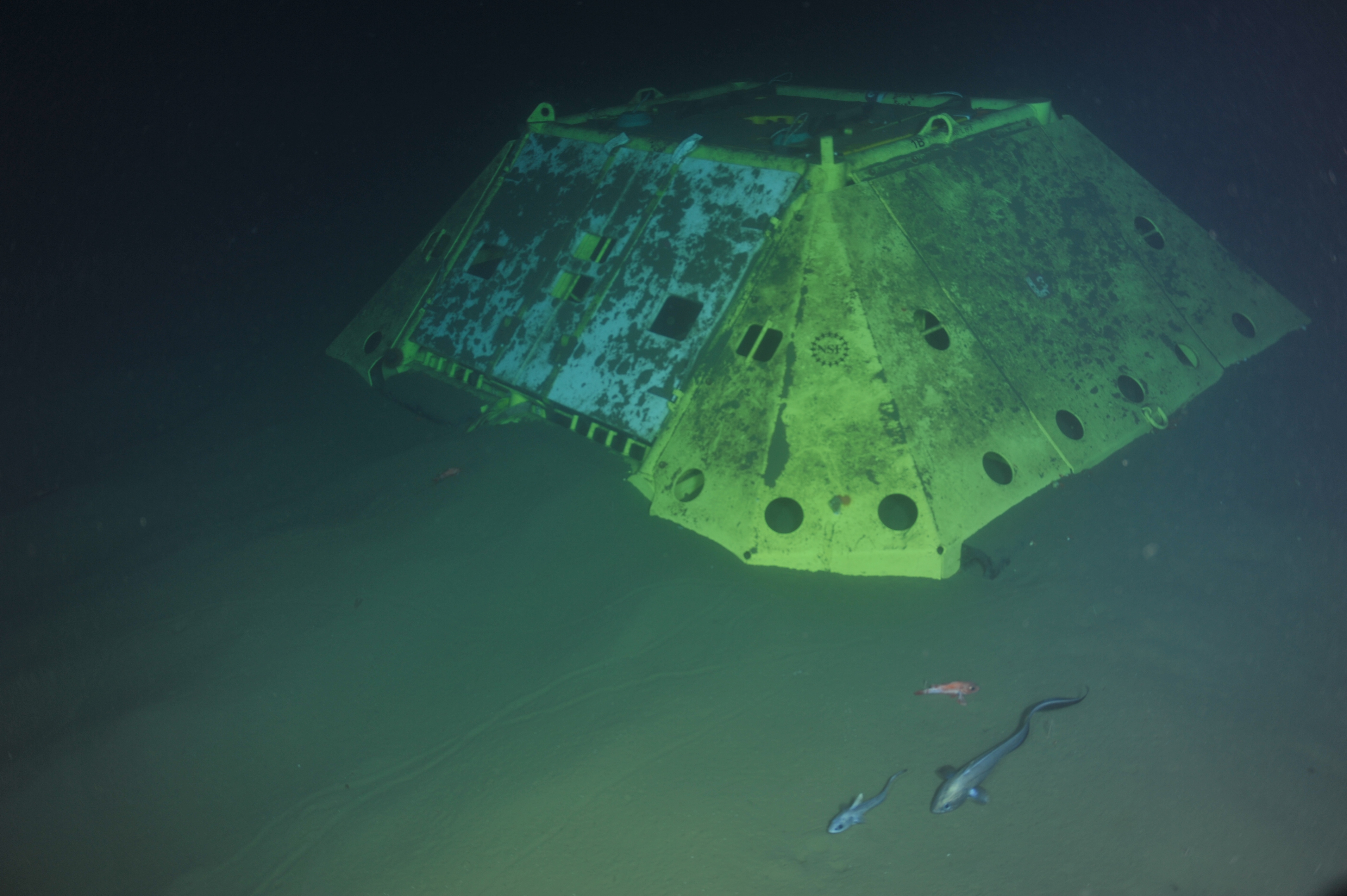
Image of infrastructure at the summit of Axial Seamount
Image of mooring infrastructure at Axial Seamount Primary Node 3A
Visitors to the Pacific Science Center in Seattle learn about the cabled observatory over an interactive touch screen table.
Components of the primary nodes include the backbone interface assembly (red frame) and the science interface assembly (yellow).
Components of the core seafloor sensor packages associated with the OOI cabled observatory moorings
Components of the OOI cabled observatory deep water profilers
Components of the 200m platforms on the OOI cabled observatory moorings
Components of the OOI cabled observatory shallow water profilers
Deep water and shallow water profiling components of the OOI cabled observatory moorings
The R/V Thompson at sea
Secondary nodes will connect to the primary nodes and transfer power and bandwidth to sensor networks. They are scheduled for deployment in 2013 using an ROV. --Graphic credit: OOI RSN and Center for Environmental Visualization, University of Washington
The footprint of the OOI cabled observatory
OOI primary nodes
Visualization of OOI sensor networks
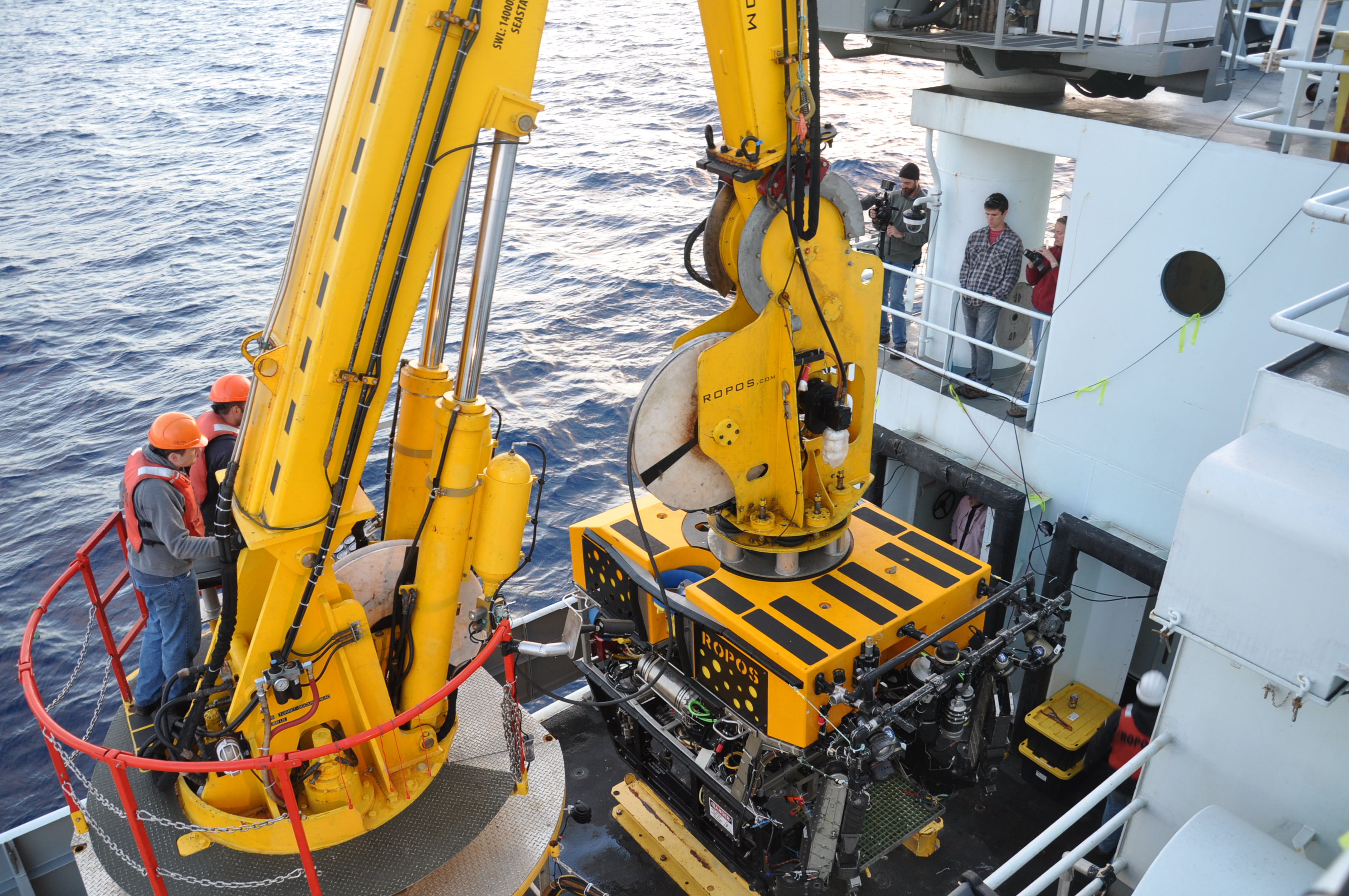
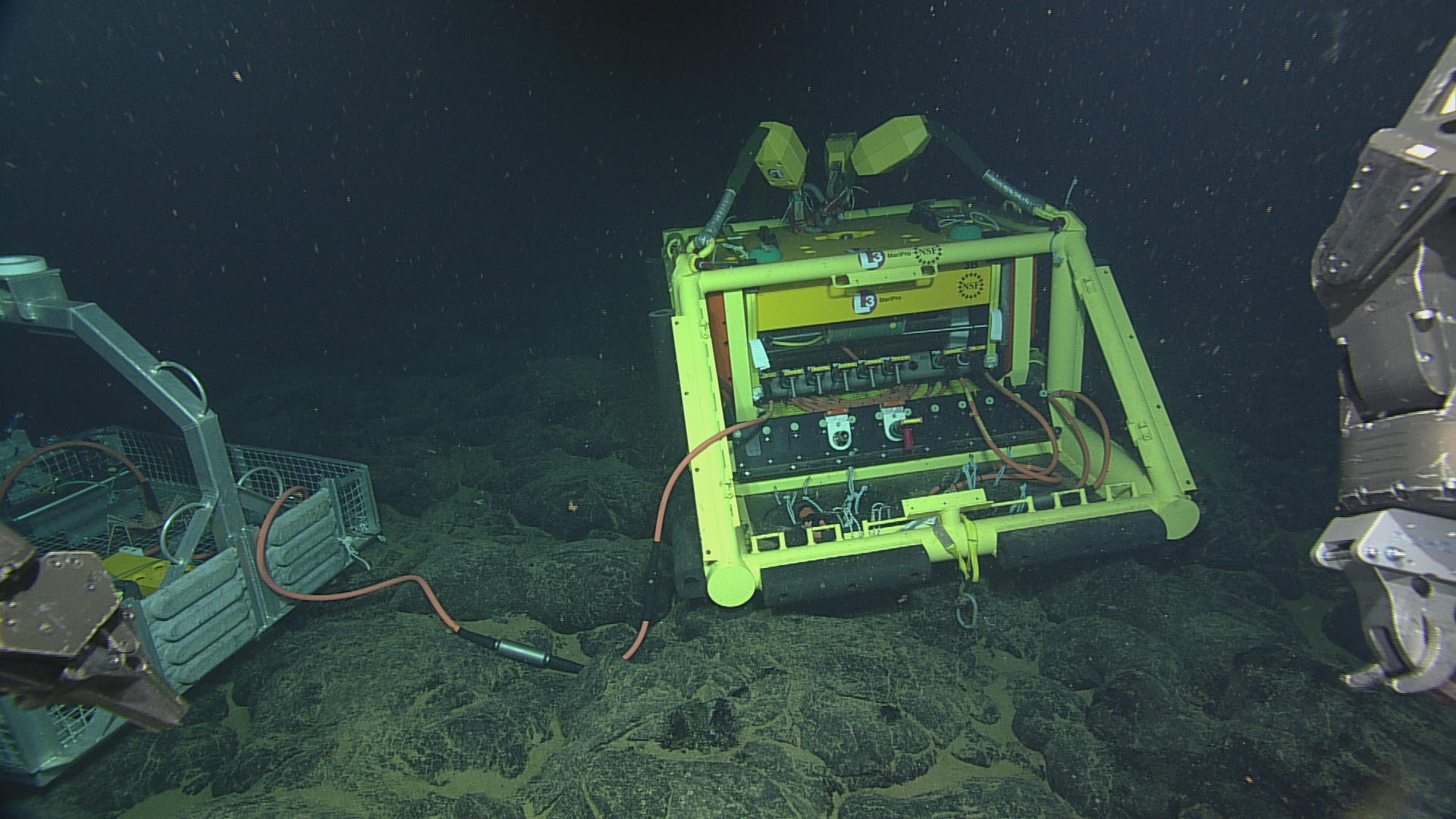
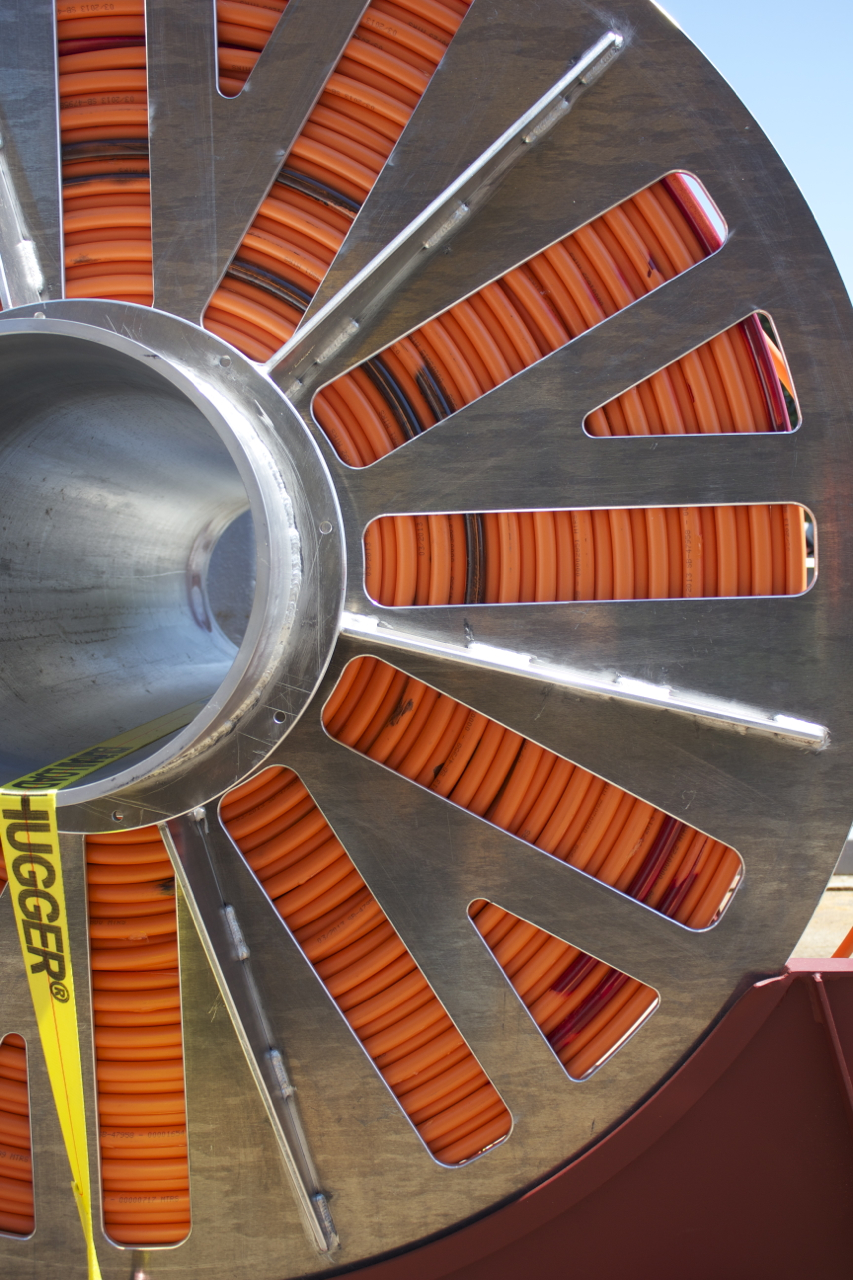
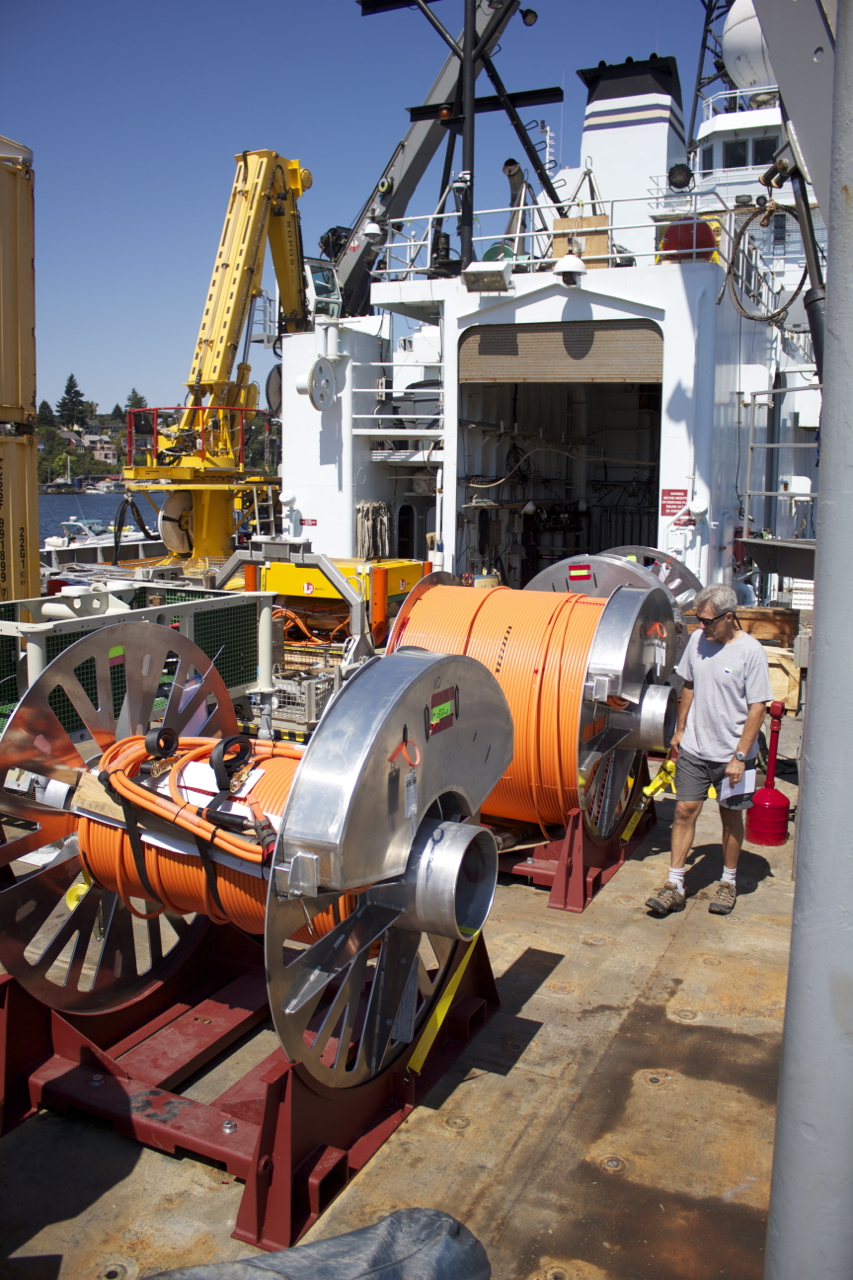
Extension cables will connect the primary nodes to secondary nodes and then to myriad instruments and sensors. Over 22,000 m of extension cables were deployed with the remotely operated vehicle ROPOS during the VISIONS'13 expedition, July - August, 2013.
- Anemone
- Animal
- Arthropod
- ASHES
- Axial
- Axial Base
- Axial Biology
- Axial Caldera
- Bacteria
- Basalt Lava
- BEP
- Biofouling
- Biology
- Camds
- Camera
- Camhd
- Central Caldera
- Ciliates
- Cnidaria
- Coastal Biology
- Crab
- Deep Profiler Mooring
- Dive Highlights
- Eastern Caldera
- Echinoderms
- Endurance Array
- Engineering Team
- ENLIGHTEN 10
- Exploratorium
- Fish
- Geology
- HD Camera
- HPIES
- Hydrate Ridge
- Hydrates
- Hydrophone
- Hydrothermal Vents
- Illustration
- Inshore 80 Meters
- Instrument
- International District
- J-BOX
- Jason
- Jellyfish
- Junction Box
- K12
- Lava
- Mollusk
- Moorings
- Nodes
- Nudibranch
- Octopus
- OOI
- Oregon Offshore
- Oregon Offshore 600 m
- Oregon Shelf
- Oregon Slope Base
- People
- PN1B
- PN1D
- Polychaetes
- PPSDN
- Primary Node
- RASFL
- ROCLS
- ROPOS
- ROPOS Dives
- ROV Team
- RV Revelle
- RV Sikuliaq
- RV Thompson
- Salp
- Sample
- SC13
- Science Team
- Sea Cucumber
- Sea Star
- Sea Urchin
- Seafloor
- Seismometer
- Sensors
- Shallow Profiler Mooring
- Shark
- Shipboard
- Shore Station
- Slope Base
- Smoker
- Soft Coral
- Southern Hydrate Ridge
- Sponge
- Squid
- Students
- Students & Guest Participants
- Tmpsf
- Tubeworms
- VISIONS 11 Leg 1
- VISIONS 11 Leg 2
- VISIONS 11 Viewers
- VISIONS 13
- VISIONS 14
- VISIONS 15
- VISIONS 16
- VISIONS 17
- VISIONS 18
- VISIONS 20
- VISIONS 22
- VISIONS 23
- visions 26
- Visualization